

Key Takeaways
- Puberty is the most nutritionally demanding growth phase after infancy.
- Calorie, protein, iron, and calcium requirements all rise significantly during adolescence.
- Sex-specific differences mean nutritional priorities vary between adolescent boys and girls.
- Whole foods from varied food groups support hormonal, skeletal, and muscular development.
- A registered dietitian can tailor guidance when concerns about growth or eating arise.
Why Puberty Changes Nutritional Needs
Puberty is a period of extraordinary biological transformation — second only to infancy in the speed and scale of physical change. Between roughly ages 8 and 16, the body undergoes a coordinated surge in growth hormone and sex hormones that drives skeletal elongation, muscle development, fat redistribution, and organ maturation. All of that activity demands a significant increase in raw nutritional input.
Understanding why requirements rise helps families make informed choices rather than simply guessing at what teens should eat. The body isn't just getting bigger — it's rebuilding its architecture. Bone density accumulates rapidly during this window, with approximately 40% of peak bone mass laid down during adolescence. Muscle mass expands, blood volume increases, and the reproductive system matures, each placing distinct demands on specific nutrients.
This makes the teenage years a critical dietary window. Habits established here can influence bone health, metabolic function, and long-term wellness well into adulthood — a dynamic explored further in our guide to nutritional needs across the family table.
Puberty Timing Varies Widely
The age at which puberty begins differs between individuals and between sexes. Girls typically begin puberty between ages 8 and 13; boys generally start between 9 and 14. Nutritional adjustments should follow biological development rather than age alone. If you have concerns about the timing of your child's puberty, speak with their pediatrician.
Calories and Macronutrients: Fueling Rapid Growth
Energy needs rise sharply during puberty. According to Dietary Reference Intakes established by the National Academies of Sciences, adolescent boys between ages 14 and 18 may require upward of 3,000 calories per day, while girls in the same age range generally need around 2,000–2,400 calories — though individual needs vary by activity level, body size, and growth trajectory.
Protein is especially important for building and repairing muscle, synthesizing hormones, and supporting immune function. The Recommended Dietary Allowance for adolescents rises to approximately 0.85 grams per kilogram of body weight per day, higher than the adult standard. Good sources include lean meats, poultry, fish, eggs, dairy, legumes, and soy foods.
Carbohydrates remain the primary fuel source and should make up the majority of energy intake. Emphasizing complex carbohydrates — whole grains, starchy vegetables, legumes — over refined sugars supports sustained energy and provides fiber that aids gut health. Healthy fats, particularly omega-3 fatty acids found in oily fish, walnuts, and flaxseed, are critical for brain development and hormonal regulation during this phase.
~40%
Peak bone mass acquired during adolescence
Approximately 40% of total peak bone mass is deposited during the teenage years, according to research cited by the National Osteoporosis Foundation.
1,300 mg
Daily calcium needed by teens aged 9–18
The National Academies of Sciences sets the Recommended Dietary Allowance for calcium at 1,300 mg per day for adolescents, the highest of any life stage.
15 mg
Daily iron requirement for menstruating teen girls
The Dietary Reference Intake for iron rises to 15 mg per day for adolescent girls after menstruation begins, compared to 11 mg for adolescent boys.
Key Micronutrients During Adolescence
Beyond macronutrients, several vitamins and minerals become particularly important during puberty:
- Zinc supports growth, immune function, and sexual maturation. It is found in meat, shellfish, legumes, and seeds.
- Vitamin D works alongside calcium to build bone density. Many adolescents are deficient, especially those with limited sun exposure or darker skin tones. Dietary sources include fortified dairy, fatty fish, and eggs.
- Folate (Vitamin B9) is needed for DNA synthesis during rapid cell division. It is abundant in leafy greens, beans, and fortified cereals.
- Magnesium plays a role in bone formation, nerve function, and muscle contraction. Whole grains, nuts, and dark leafy vegetables are good sources.
Adolescents who follow restrictive diets — whether vegetarian, vegan, or due to food allergies — may require additional attention to ensure adequate intake of zinc, vitamin B12, iron, and omega-3s. A qualified dietitian can assess individual needs in these situations.
Pair plant-based iron sources with a vitamin C-rich food at the same meal — for example, lentil soup with a squeeze of lemon — to meaningfully boost non-heme iron absorption.
Non-heme iron from plant foods is less bioavailable than heme iron from meat; ascorbic acid (vitamin C) enhances its conversion to a more absorbable form in the gut.
Encourage teens to eat breakfast that includes both protein and a complex carbohydrate — such as eggs with whole-grain toast — to support concentration and sustained energy through the school morning.
Adolescent brains are energy-intensive; starting the day with protein and slow-digesting carbohydrates helps stabilize blood glucose and supports cognitive performance during peak learning hours.
Iron and Calcium: Two Nutrients That Deserve Special Attention
Of all the micronutrients elevated during puberty, iron and calcium merit the most focused attention due to the scale of their demands and the frequency with which adolescents fall short.
Calcium requirements jump from 1,000 mg per day in childhood to 1,300 mg per day for adolescents aged 9–18. This higher threshold reflects the accelerated rate of bone mineralization. Dairy products remain the most concentrated dietary source, though fortified plant milks, canned sardines or salmon with bones, tofu made with calcium sulfate, and kale also contribute meaningfully.
Iron needs diverge along sex lines after puberty begins. Girls who have begun menstruating need approximately 15 mg of iron per day — significantly more than the 11 mg recommended for adolescent boys — to compensate for monthly blood loss. Iron-deficiency anemia is one of the most common nutritional deficiencies among teenage girls. Lean red meat, poultry, fish, lentils, and fortified cereals are primary sources; consuming them alongside vitamin C-rich foods enhances absorption.
For a broader view of how hormonal shifts influence nutrient requirements throughout a woman's life, see our companion resource on hormonal health across a woman's lifetime.
Practical Eating Patterns That Support Development
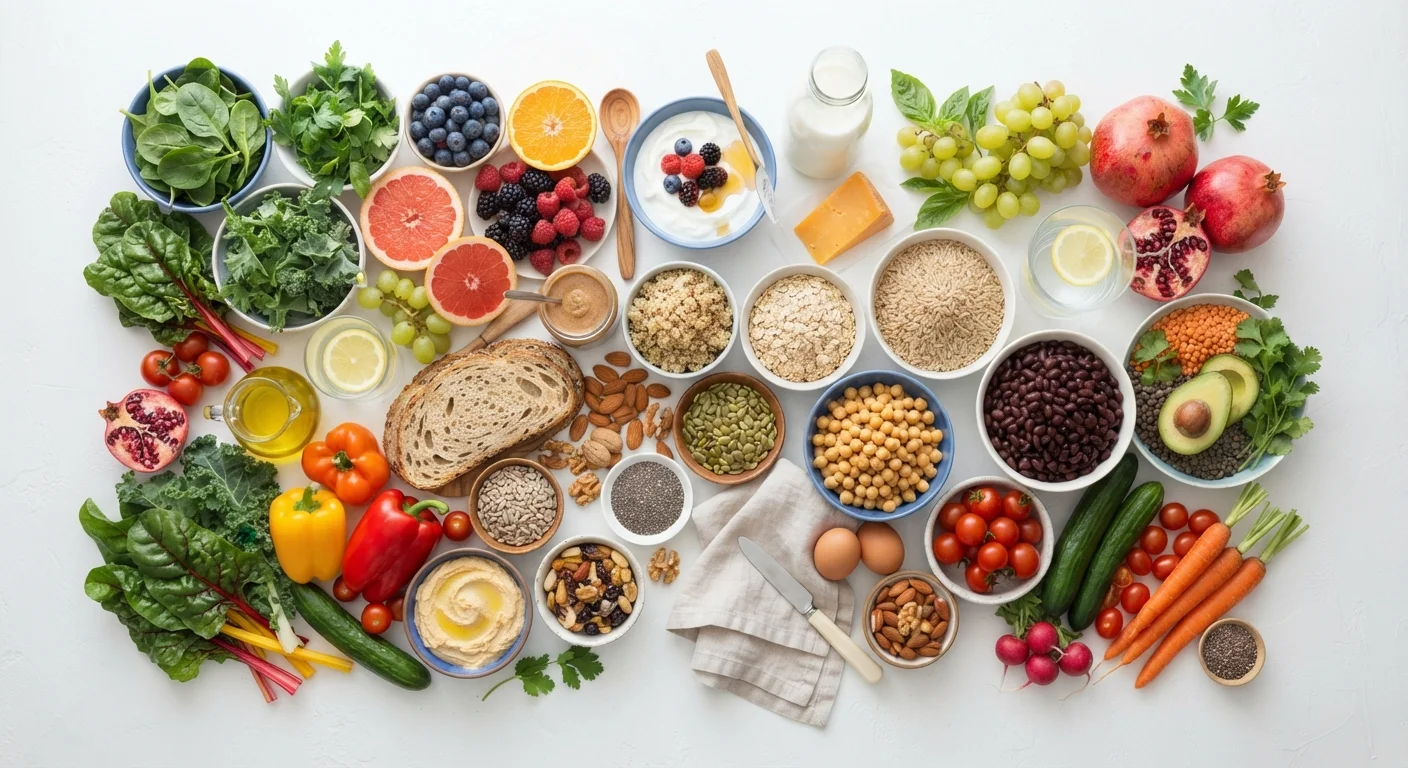
Translating nutrient science into daily habits is where families can make the greatest difference. Rather than fixating on individual nutrients, a varied, whole-food dietary pattern generally covers most needs:
- Regular meals and snacks: Skipping meals is common among teens but counterproductive during active growth. Three structured meals plus one or two nutrient-dense snacks help maintain steady energy and support tissue repair.
- Color variety on the plate: Different colored fruits and vegetables supply different phytonutrients, vitamins, and antioxidants that collectively support hormonal health and immune defense.
- Adequate hydration: Water needs increase with growth and physical activity. Teens should prioritize water over sugar-sweetened beverages, which displace nutrient-rich foods and contribute to excess sugar intake.
- Minimizing ultra-processed foods: Foods high in refined sugars, sodium, and unhealthy fats can crowd out nutrient-dense options without satisfying genuine biological needs.
Note that the contrast with adult nutritional needs is equally instructive — the same principles that serve teens well begin to shift in meaningful ways by midlife, as outlined in our article on why nutritional needs shift after 50.
Avoid Restrictive Diets During Adolescence
Calorie restriction or elimination diets pursued without medical supervision can interfere with growth, delay puberty, reduce bone density, and increase the risk of nutritional deficiencies at a critical developmental stage. If a teen wants to change their diet significantly — for ethical, athletic, or weight-related reasons — please involve a registered dietitian before making major changes.
When to Seek Professional Guidance
Most adolescents who eat a varied diet will meet their nutritional needs without supplementation. However, certain situations warrant consultation with a registered dietitian or pediatrician:
- Unexplained fatigue, pallor, or delayed growth
- Restrictive dietary patterns or elimination of entire food groups
- Rapid, unexplained weight changes in either direction
- Signs of disordered eating, including extreme food restriction, binge episodes, or excessive preoccupation with weight or body shape
- Specific chronic conditions or medications that affect nutrient absorption
Routine growth check-ups with a pediatrician are an ideal opportunity to discuss nutritional concerns. Blood tests can identify deficiencies such as low iron or vitamin D before they cause noticeable symptoms.
This article is for general informational and educational purposes only and does not constitute medical or dietary advice. For guidance specific to your child's health, growth, or nutritional needs, please consult a qualified healthcare professional or registered dietitian.