

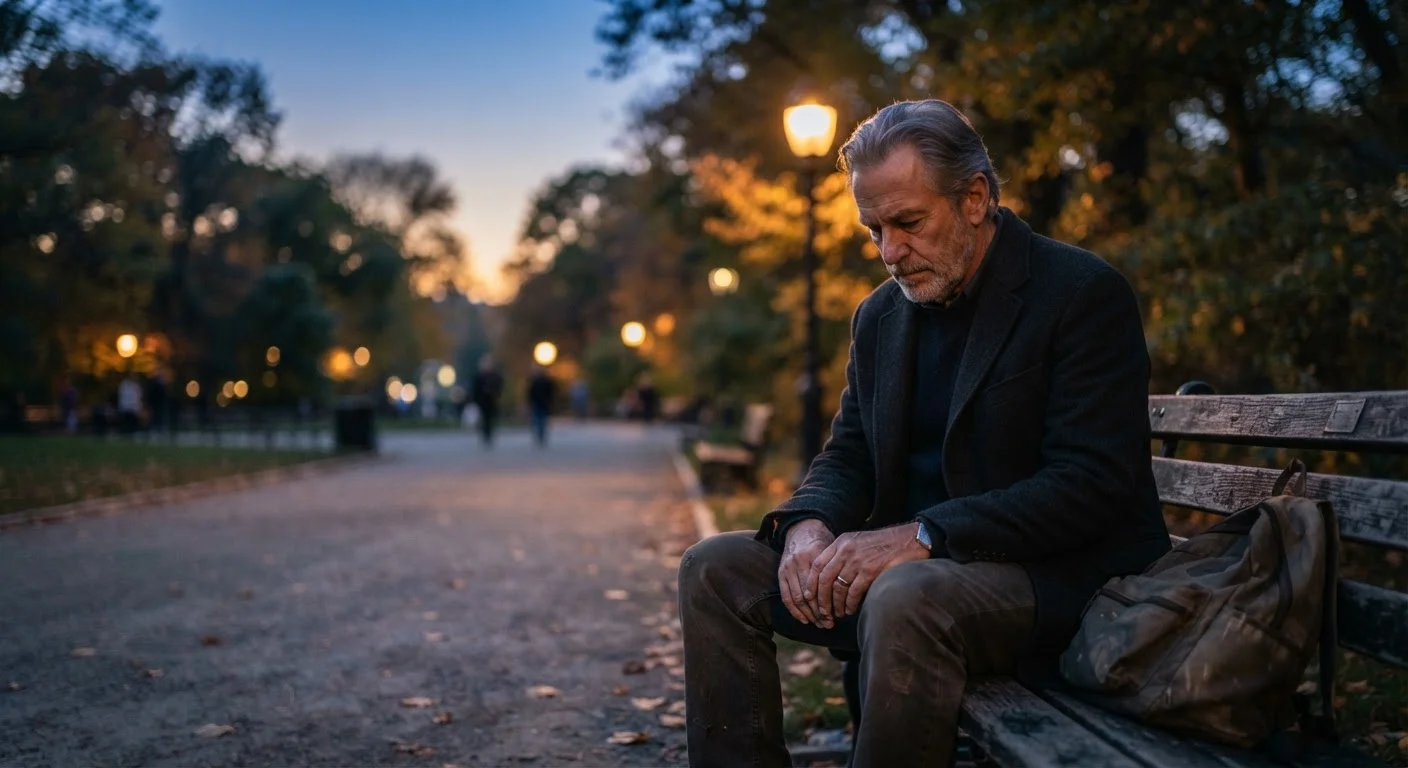
Key Takeaways
- Social messaging often teaches men that expressing sadness, fear, or grief is a sign of weakness.
- Chronic emotional suppression is linked to higher rates of depression, anxiety, and cardiovascular stress.
- Men are more likely to express suppressed emotions through anger or physical symptoms rather than direct disclosure.
- Recognizing suppressed emotions is the first step — and does not require professional help to begin.
- Families and partners play a meaningful role in creating space for men to express emotions safely.
Emotional Suppression in Men
Emotional suppression refers to the habit of consciously or unconsciously pushing down feelings — such as sadness, fear, or vulnerability — rather than acknowledging or expressing them. For many men, this behavior is not innate but learned through social conditioning that links emotional restraint with strength and masculinity. Over time, suppressing emotions can have measurable effects on mental and physical health.
In psychological literature, emotional suppression is distinguished from emotional regulation: suppression involves inhibiting the outward expression of emotion, while regulation encompasses a broader set of strategies for managing emotional experience — some healthy, some not.
What Men Are Taught to Feel — and What They're Told to Hide
From early childhood, many boys receive a consistent message: certain emotions are acceptable, and others are not. Anger gets a pass. Sadness, fear, grief, vulnerability — these are frequently met with correction. "Man up." "Don't cry." "Toughen up." These phrases, repeated across families, schools, locker rooms, and media, shape how men relate to their inner lives well into adulthood.
This isn't a matter of individual character. It's social conditioning — a set of learned associations between emotional restraint and masculine identity. Psychologists refer to the resulting patterns as alexithymia (difficulty identifying and describing one's own emotions) and emotional suppression, both of which are measurably more common in men than in women, according to published research in personality and social psychology.
Understanding these dynamics is valuable not only for men themselves, but for the partners, parents, and children who care about them.
3–4x
Men's higher suicide rate vs. women in the US
According to the American Foundation for Suicide Prevention, men die by suicide at roughly three to four times the rate of women, a disparity often linked to emotional suppression and help-seeking barriers.
~1 in 10
Men in the US experiencing depression or anxiety
The National Institute of Mental Health estimates that depression and anxiety affect millions of American men annually, yet the majority do not seek treatment.
Less than 40%
Men with mental health conditions who receive treatment
Research consistently shows that men are significantly less likely than women to access mental health services, even when a diagnosable condition is present.
The Hidden Cost of Keeping It All Inside
Emotional suppression is not a neutral act. Research across behavioral health fields consistently associates chronic suppression with elevated physiological stress responses — including higher cortisol levels and increased cardiovascular strain. When emotions are not processed, the body often carries the load instead.
Men who suppress emotions are also more likely to express distress indirectly. Rather than identifying sadness or fear, suppressed feelings frequently surface as irritability, anger, social withdrawal, overworking, or increased alcohol use. This is one reason depression in men is frequently underdiagnosed — it often doesn't look the way clinical descriptions suggest.
The reluctance to seek mental health support compounds this further. When a man has spent years learning that emotional difficulty should be handled privately, asking for help feels like a contradiction of identity — not just uncomfortable, but threatening.
“Men are not taught to be emotionally illiterate — they are taught to perform emotional literacy only within very narrow, socially approved channels. The cost of that performance is paid quietly, over years.”
— Dr. Ronald Levant, Professor emeritus of psychology and researcher on male emotional socialization
How This Pattern Affects Relationships and Families
Emotional suppression rarely affects only the individual. Partners frequently report feeling shut out, unable to connect meaningfully with someone who deflects emotional conversations. Children, in turn, observe and absorb the model of emotional engagement — or disengagement — that their parents demonstrate.
This doesn't mean men who suppress emotions are doing so out of indifference. For many, it's a deeply ingrained survival strategy — one that felt necessary and even adaptive in earlier environments. The challenge is that strategies which once offered protection can, over time, become barriers to intimacy and wellbeing.
Understanding the difference between healthy solitude and harmful isolation is an important distinction for men and their families to navigate together.
Practical Starting Points — Without Overhauling Your Identity
Addressing emotional suppression doesn't require radical transformation or immediate disclosure. Small, deliberate steps can begin to expand emotional awareness without feeling exposing or artificial.
- Name what you notice: Pause during moments of stress and ask a basic question — what am I actually feeling right now? Even labeling an emotion privately begins to build awareness.
- Distinguish anger from its roots: Anger is often a secondary emotion. Underneath it is frequently fear, hurt, or shame. Noticing this distinction builds emotional vocabulary over time.
- Find low-stakes contexts: Not every emotional conversation needs to be a major disclosure. Brief, honest exchanges with a trusted person are enough to start breaking patterns.
- Consider professional support: A licensed therapist — particularly one experienced in working with men — provides a structured, confidential environment to explore suppressed emotions without judgment.
As with physical health patterns, the most significant barrier to change is often the cultural story that seeking support signals weakness. The evidence points in the opposite direction.
This article is for general informational and educational purposes only and does not constitute medical or mental health advice. If you are experiencing persistent emotional distress, symptoms of depression or anxiety, or thoughts of self-harm, please contact a licensed healthcare or mental health professional promptly.