
Paper Prescriptions, E-Prescriptions, and Repeat Dispensing: What Each One Means

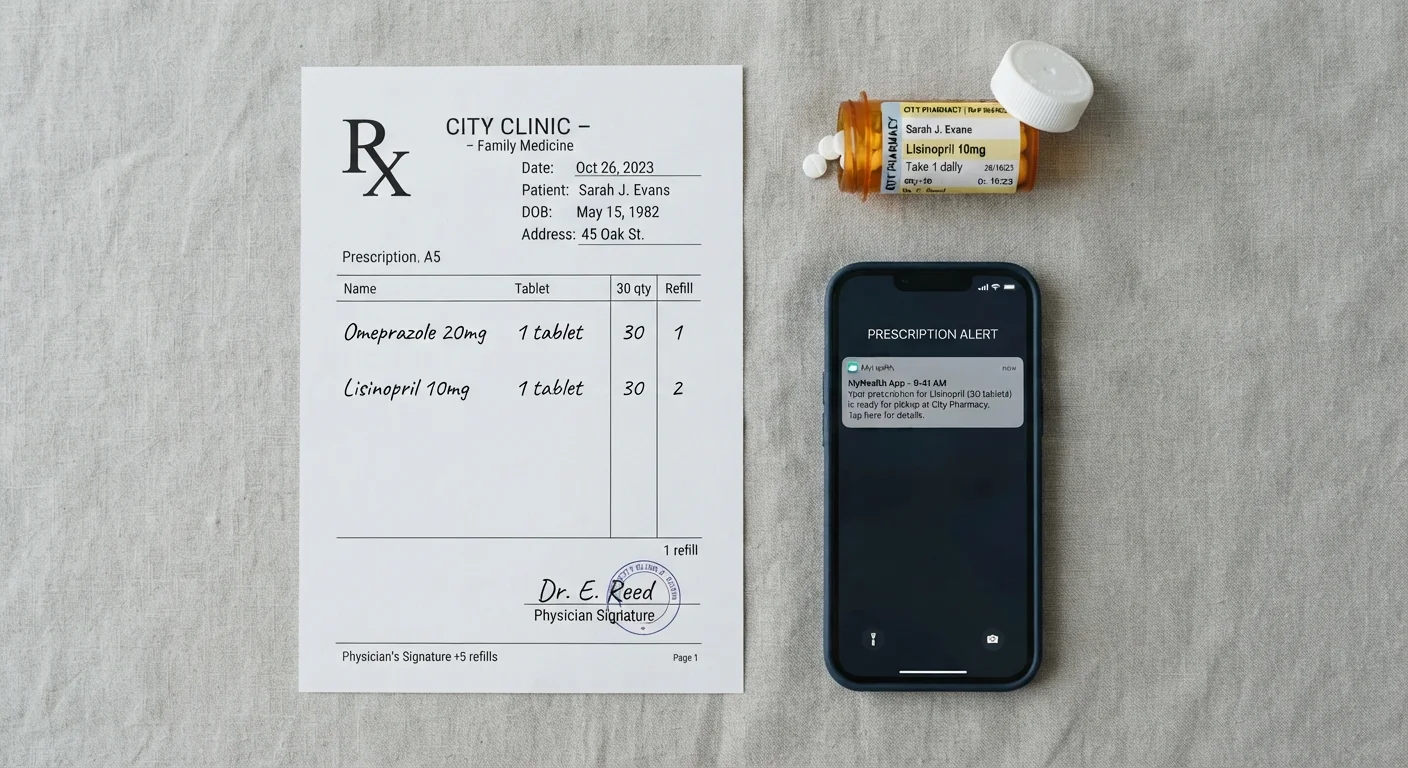
Key Takeaways
- Paper prescriptions are physical documents a patient carries to the pharmacy, still used in specific clinical situations.
- E-prescriptions are transmitted electronically from prescriber to pharmacy, reducing errors and improving convenience.
- Repeat dispensing allows a pharmacist to dispense multiple supplies of the same medication without a new prescription each time.
- Controlled substances are subject to stricter rules regardless of prescription format.
- The format a prescriber uses depends on clinical setting, medication type, and state or federal regulations.
Our Verdict
No single prescription format is universally superior — each serves a distinct purpose within the healthcare system. E-prescriptions have become the standard for most routine medications, offering speed and accuracy. Paper prescriptions remain relevant in specific circumstances, while repeat dispensing suits patients managing stable, long-term conditions.
| Best for | Recommended |
|---|---|
| Patients filling routine, non-controlled medications quickly | E-Prescription |
| Situations where electronic systems are unavailable or a written record is required | Paper Prescription |
| Patients with stable chronic conditions needing regular refills | Repeat Dispensing |
How the Three Prescription Formats Work
When a licensed prescriber authorizes medication for a patient, that authorization takes one of three main forms: a paper prescription, an electronic prescription (e-prescription), or a repeat dispensing arrangement. Understanding how each works makes navigating the pharmacy process far less confusing for families.
Paper prescriptions are physical, signed documents — traditionally on security-feature paper to deter forgery — that a patient receives directly and brings to a pharmacy. The pharmacist verifies its authenticity, enters the details into their system, and dispenses the medication. Paper prescriptions are still issued in some clinical settings, during power or system outages, or when a prescriber works outside a connected electronic network.
E-prescriptions (electronic prescriptions) are transmitted digitally from the prescriber's software directly to a designated pharmacy's system. The patient typically arrives at the pharmacy and the prescription is already queued for processing. This format has become the dominant standard in the U.S. for most outpatient medications; federal and many state regulations actively encourage or mandate its use. Learn more about how a prescription travels from doctor to dispensing counter at each step.
Repeat dispensing allows a pharmacist to supply a patient with pre-authorized quantities of a stable, ongoing medication over a set period — without requiring the patient to return to their prescriber for a new authorization each time. The prescriber sets the total number of supplies and the interval, and the pharmacist dispenses each installment according to those parameters.
Comparing the Three Formats Side by Side
Each format has practical trade-offs related to convenience, safety, and regulatory oversight. The table below summarizes the key differences families should know.
| Paper Prescription | E-Prescription | Repeat Dispensing | |
|---|---|---|---|
| How it reaches the pharmacy | Patient carries physical document | Sent electronically by prescriber | Pre-authorized; pharmacist dispenses each supply |
| Risk of transcription error | Higher (handwriting, manual entry) | Lower (digital transfer) | Low (parameters set once at authorization) |
| Convenience for patient | Requires physical handling | Minimal — often ready on arrival | Very high for ongoing conditions |
| Frequency of prescriber contact | Each fill requires a new visit or contact | Each fill requires a new e-prescription | Reduced — one authorization covers multiple supplies |
| Use with controlled substances | Permitted under specific state rules | Required in many states | Generally not permitted for controlled substances |
| Best suited for | Acute, one-off, or urgent needs | Most routine outpatient medications | Stable, long-term chronic conditions |
For prescriptions involving controlled substances — such as certain pain medications or stimulants — additional restrictions apply to all three formats. Federal law, for example, sets specific requirements for how Schedule II medications may be prescribed electronically. See our overview of controlled substances vs. standard prescriptions for a fuller picture.
When Each Format Is Typically Issued
Prescribers choose a format based on their clinical setting, the type of medication, and applicable rules.
- Paper prescriptions are most common in facilities without full electronic health record integration, for certain controlled substances in states that still require a paper copy, or when a patient is seen outside of a connected clinic — such as at an urgent care without network access.
- E-prescriptions are the norm for most outpatient visits, telehealth consultations, and hospital discharge medications. Most U.S. states now require e-prescribing for controlled substances, and many mandate it for all prescription drugs to reduce fraud and transcription errors.
- Repeat dispensing is typically reserved for patients with stable, well-managed chronic conditions — such as hypertension, diabetes, or asthma — where the prescriber is confident the therapy will continue unchanged for several months. It reduces the administrative burden on both patients and prescribers.
Confirm Your Pharmacy Before Leaving the Appointment
With e-prescriptions, always verify the preferred pharmacy on file with your prescriber before or during your visit. If it is sent to a pharmacy you did not intend, a correction requires contact between the prescriber and pharmacy, which can cause delays. For repeat dispensing arrangements, ask your pharmacist to clarify the dispensing schedule so you never unexpectedly run out of medication.
If your household manages prescriptions for multiple family members, a consistent organizational system becomes especially important. Our guide to managing multiple prescriptions in a household offers practical strategies for tracking refills and schedules.
Reading and Acting on Any Prescription Format
Regardless of format, every valid prescription contains the same core information: the medication name, strength, quantity, dosage instructions, prescriber details, and any refill authorization. E-prescriptions and paper prescriptions both carry this data — the difference lies in how it is transmitted and stored.
If you receive a paper prescription, store it safely until you are ready to fill it. Most paper prescriptions have a validity window set by state law — typically six months for non-controlled medications, though this varies. Why prescriptions expire and what to do about it explains the regulatory reasons behind these limits.
For e-prescriptions, confirm with your prescriber which pharmacy they sent it to; sending it to the wrong location is a common source of delays. With repeat dispensing, note the authorized number of supplies and dispensing interval printed on your documentation so you can plan ahead.
To decode the labels and abbreviations on any dispensed medication, see our guide to reading your prescription label without the guesswork.
This article is for general informational purposes only and does not constitute medical or pharmaceutical advice. Always consult a qualified healthcare professional for guidance on your specific medications and prescriptions.