

Key Takeaways
- Honest, age-appropriate explanations before the visit help reduce fear and build trust.
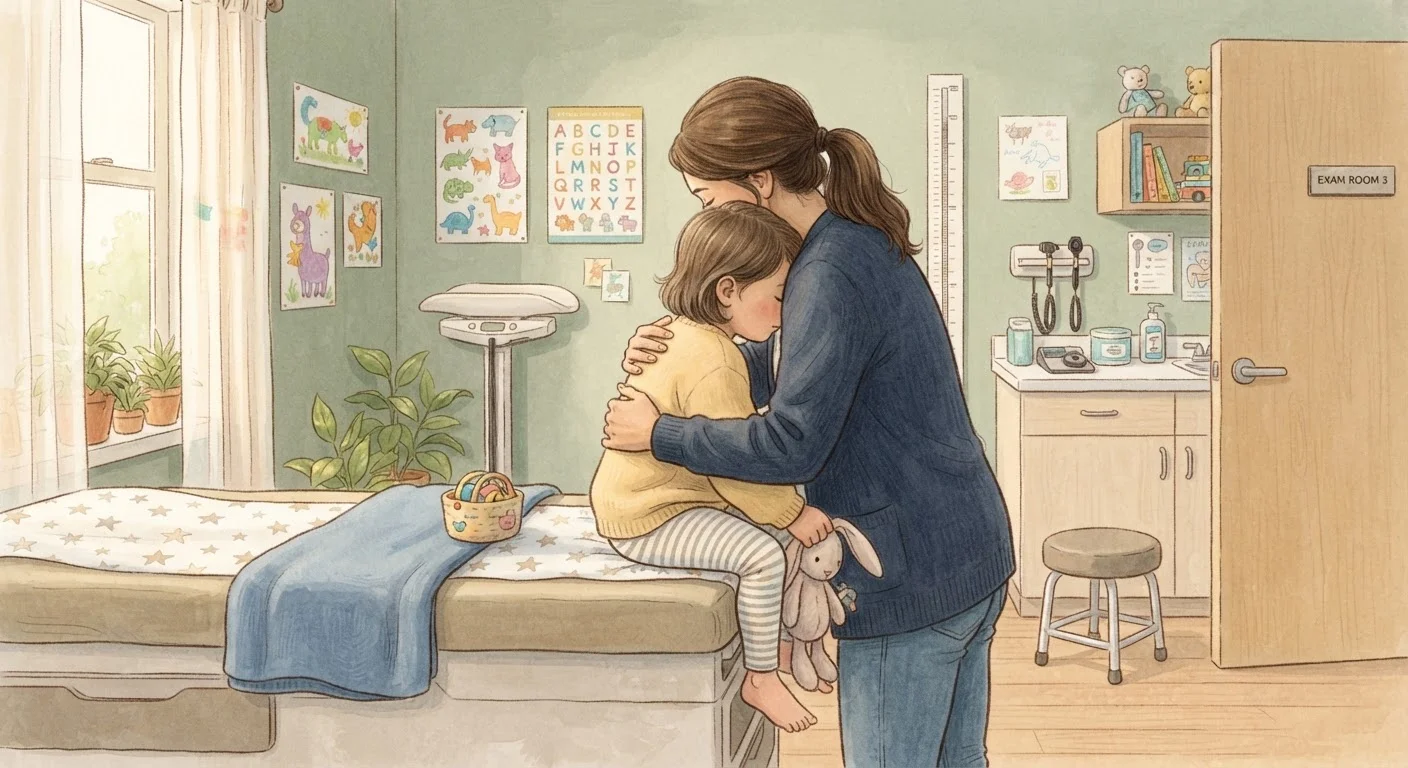
- Comfort measures like holding, breastfeeding, or distraction tools can meaningfully lower a child's pain response.
- Mild soreness, low-grade fever, and fussiness after vaccination are common and typically resolve within one to two days.
- Knowing which symptoms warrant a call to the provider helps families respond confidently after the appointment.
- Staying current with the recommended immunization schedule is one of the most effective preventive health steps available.
What you will need
Why Preparation Makes a Real Difference
Vaccination anxiety is one of the most common concerns caregivers raise at pediatric appointments — and one of the most manageable with the right approach. Research consistently shows that children who receive calm, truthful explanations before a procedure experience less distress than those given no preparation or falsely reassuring promises. The goal is not to eliminate all discomfort, but to give your child a sense of predictability and control.
Immunizations are among the most evidence-supported preventive measures in modern medicine, and keeping children current with their schedule is a foundational part of family health. If you'd like to understand the full timeline from infancy through adolescence, The Childhood Vaccine Schedule Explained is a useful starting point. For broader context on building preventive health habits as a family, Preparing Your Family for Routine Health Screenings covers the bigger picture.
What you will need
Bring the Immunization Record Every Time
Keeping an up-to-date vaccination record — whether paper or in a state immunization registry — ensures the care team administers only what is due and helps you track your child's full history. Ask your provider how to access your state's immunization information system if you don't already have a copy.
What to Do Before, During, and After the Visit
The steps below walk through practical actions caregivers can take at each stage of a vaccine appointment. Most require no special equipment — just a little planning and clear communication with your child and the care team.
Immunization record (paper or digital)
Allows the care team to verify which vaccines are due and avoid duplication.
Comfort object (stuffed animal, blanket)
Provides a familiar, soothing item the child can hold during the appointment.
Distraction tools (tablet, book, pinwheel)
Redirecting a child's attention during the injection can reduce perceived pain.
Written list of questions for the provider
Helps caregivers remember concerns they want to address before leaving the clinic.
Review which vaccines are due before the appointment
Check your child's immunization record against the CDC-recommended childhood vaccine schedule (available at cdc.gov/vaccines) to understand what to expect at the upcoming visit. If you're unsure which shots are due, call the clinic beforehand — staff can confirm over the phone. Knowing in advance allows you to look up what each vaccine protects against and prepare honest answers to your child's questions. For a full overview of the timeline, see The Childhood Vaccine Schedule Explained.
Talk to your child honestly and age-appropriately
Tell your child about the appointment ahead of time — ideally the night before or morning of, not weeks in advance. Use straightforward language: explain that a shot helps their body learn to fight certain germs, that it will feel like a quick pinch, and that the feeling passes quickly. Avoid phrases like "it won't hurt at all," which can erode trust if the child does feel discomfort. For toddlers, a simple "the nurse will give your arm a little poke to keep you healthy" is often enough. Older children and adolescents generally respond well to brief explanations of why each vaccine matters.
Plan comfort strategies in advance
Evidence supports several comfort measures that reduce pain and anxiety during injections. For infants, breastfeeding or offering a sweet solution (if recommended by your provider) during the injection is well-studied. Skin-to-skin contact and being held upright are also effective for very young children. For toddlers and school-age children, blowing out a breath, squeezing a caregiver's hand, or focusing on a distraction object can help. Discuss options with your provider ahead of time so the clinic visit flows smoothly.
Ask questions before leaving the clinic
Before you leave, confirm with the provider or nurse: which vaccines were given today, when the next dose in each series is due, and what side effects to watch for. Ask specifically about any vaccines your child may have missed and how to catch up. This is also an appropriate time to share any previous reactions your child has had. To understand what is happening inside your child's body after immunization, How the Immune System Responds to a Vaccine offers a clear explanation.
Monitor and manage common post-vaccine symptoms at home
Soreness at the injection site, mild swelling, a low-grade fever, and temporary fussiness are all normal immune responses and typically resolve within one to two days. Keep the injection site clean and avoid rubbing it. A cool, damp cloth applied gently over the area can ease localized discomfort. If your child develops a fever that makes them uncomfortable, contact your provider about whether a fever reducer is appropriate and what dose is correct for your child's weight. For a detailed breakdown of what is normal versus what warrants concern, see Understanding Vaccine Side Effects vs. Allergic Reactions.
When to Seek Immediate Medical Attention
A high fever (over 105°F), difficulty breathing, hives, swelling of the face or throat, or a child who is inconsolably crying for more than three hours after a vaccine may signal a rare but serious reaction. If any of these occur, call your provider or go to an emergency room immediately. Do not wait to see if symptoms resolve on their own.
This article is for general informational purposes only and does not constitute medical advice. Always consult your child's healthcare provider for guidance specific to your child's health history and needs.