

Key Takeaways
- Women are 5–8 times more likely than men to develop thyroid disorders.
- Autoimmune conditions like Hashimoto's thyroiditis account for the majority of thyroid cases in women.
- Hormonal transitions — puberty, pregnancy, and menopause — each raise thyroid disease risk.
- Thyroid symptoms such as fatigue and mood changes are often mistaken for other conditions.
- Early testing and diagnosis are essential because thyroid dysfunction affects fertility, cardiovascular health, and overall wellbeing.
Thyroid Dysfunction in Women
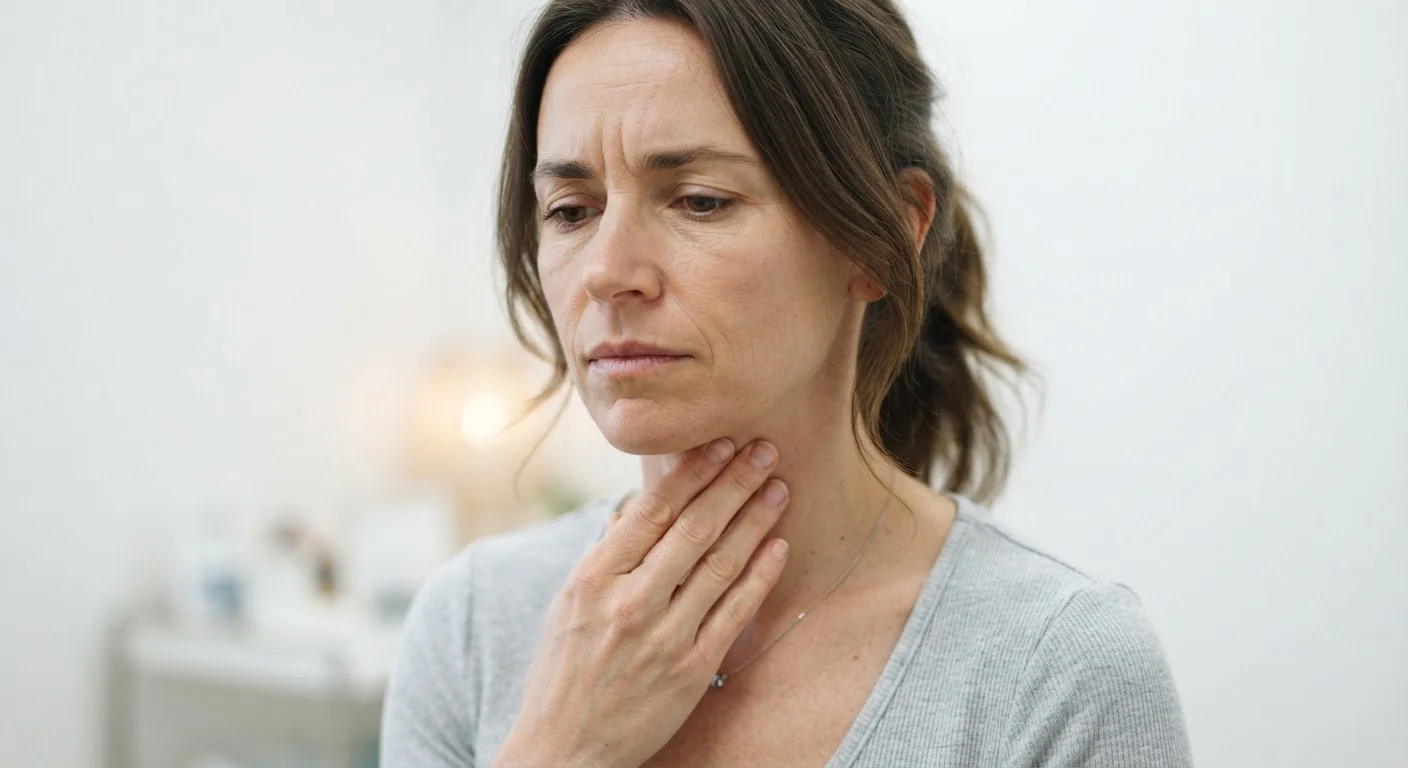
Thyroid dysfunction refers to conditions in which the thyroid gland — a butterfly-shaped gland in the neck — produces too much or too little of its hormones. Women are diagnosed with thyroid disorders five to eight times more often than men. These conditions include hypothyroidism (underactive thyroid), hyperthyroidism (overactive thyroid), and autoimmune thyroid diseases such as Hashimoto's thyroiditis and Graves' disease.
The disproportionate prevalence in women is linked to sex hormone interactions, X-chromosome-linked immune gene expression, and the immunological shifts that accompany pregnancy, postpartum recovery, and menopause.
The Scale of the Disparity
Thyroid disorders are among the most common endocrine conditions worldwide, and they are far from evenly distributed. According to the American Thyroid Association, women are five to eight times more likely than men to develop a thyroid condition. Roughly one in eight women will experience thyroid dysfunction at some point during her lifetime.
This is not a small statistical quirk. It reflects deep biological differences in how the female immune system, reproductive hormones, and thyroid gland interact — differences that become especially pronounced during key hormonal transitions. Understanding the underlying mechanisms helps explain why thyroid testing is considered an essential part of preventive care for women. See our guide to hormonal health across a woman's lifetime for broader context on how these systems shift from puberty through post-menopause.
5–8×
Women's thyroid disorder risk vs. men
The American Thyroid Association estimates women are five to eight times more likely than men to develop a thyroid condition.
1 in 8
Women affected by thyroid disease in their lifetime
The American Thyroid Association reports approximately one in eight women will experience thyroid dysfunction during her lifetime.
5–10%
Women affected by postpartum thyroiditis
Research estimates that postpartum thyroiditis occurs in approximately 5–10% of women within the first year after delivery.
Autoimmunity: The Central Driver
The majority of thyroid disorders in women are autoimmune in origin. In autoimmune thyroid disease, the immune system mistakenly targets thyroid tissue. Hashimoto's thyroiditis — where immune attacks gradually destroy the gland, leading to hypothyroidism — is the most common cause of an underactive thyroid in women. Graves' disease, which involves immune stimulation of the gland, is the leading cause of hyperthyroidism.
Women mount stronger immune responses than men, a trait that offers advantages in fighting infection but significantly increases susceptibility to autoimmune conditions. Research suggests that estrogen enhances certain arms of immune activity, while testosterone may have a mild immunosuppressive effect — helping to explain the sex-based difference in autoimmune disease burden.
Additionally, because women carry two X chromosomes, they have greater exposure to immune-regulatory genes located on the X chromosome, some of which are associated with autoimmune risk. This chromosomal factor is an active area of research in immunology.
“The thyroid is exquisitely sensitive to hormonal and immune influences, which helps explain why women bear a disproportionate burden of thyroid disease across every stage of reproductive life.”
— Dr. Elizabeth Pearce, Endocrinologist and thyroid researcher, Boston University School of Medicine
Hormonal Life Stages That Raise Risk
Thyroid vulnerability in women isn't static — it rises and shifts at specific life stages where hormonal changes are most dramatic.
Pregnancy and Postpartum
Pregnancy places substantial demands on the thyroid. Thyroid hormone production must increase by approximately 30–50% to meet the needs of the developing fetus, particularly in the first trimester when fetal thyroid function has not yet established itself. Women with marginal thyroid reserve or existing autoimmune antibodies are at heightened risk for gestational hypothyroidism.
Postpartum thyroiditis — a transient thyroid inflammation occurring within the first year after delivery — affects an estimated 5–10% of women. It can cause a phase of hyperthyroidism followed by hypothyroidism before the thyroid typically recovers, though some women develop permanent hypothyroidism. Women with a personal or family history of autoimmune thyroid disease face a substantially higher risk.
Perimenopause and Menopause
As estrogen levels decline in perimenopause, symptoms such as fatigue, weight gain, brain fog, and mood changes can closely mirror thyroid dysfunction. This overlap frequently leads to delayed or missed diagnoses. Healthcare providers may need to test for both hormonal and thyroid changes concurrently during this life stage. The relationship between cortisol and thyroid function adds another layer of complexity worth discussing with a clinician.
Why Symptoms Are Frequently Missed
Thyroid dysfunction, particularly hypothyroidism, often presents with symptoms that are non-specific and easily attributed to stress, aging, or lifestyle factors. Fatigue, weight fluctuation, hair loss, low mood, and menstrual irregularities are all hallmark signs — yet they are also common complaints in general practice settings for reasons entirely unrelated to the thyroid.
Research has documented that women's hormonal and metabolic symptoms are sometimes minimized or attributed to anxiety or lifestyle before organic causes are fully investigated. This matters clinically because delayed diagnosis of thyroid disorders can have significant downstream consequences — including effects on cardiovascular health, bone density, and fertility. Our article on why hormonal symptoms are sometimes dismissed explores how to advocate effectively in clinical settings.
A routine TSH blood test is a low-barrier, cost-effective first step toward clarifying whether thyroid function is contributing to a woman's symptoms. Discussing the full picture — including family history of autoimmune disease, menstrual changes, and stress levels — with a healthcare provider helps ensure nothing is overlooked. Lifestyle factors that interact with hormone levels, including sleep and nutrition, are also worth reviewing as part of a comprehensive evaluation.
This article is for general informational purposes only and does not constitute medical advice. Always consult a qualified healthcare professional for personal health concerns, symptoms, or before making any decisions related to diagnosis or treatment.