

Key Takeaways
- Plaque is a living bacterial biofilm that reforms on teeth within hours of brushing.
- Bacteria in plaque produce acids that erode tooth enamel and irritate gum tissue.
- Plaque that is not removed daily can harden into tartar, which only a dental professional can clean off.
- Brushing twice daily and flossing once daily are the primary tools for controlling plaque.
- Diet plays a direct role in how quickly and aggressively plaque bacteria produce harmful acids.
Dental Plaque
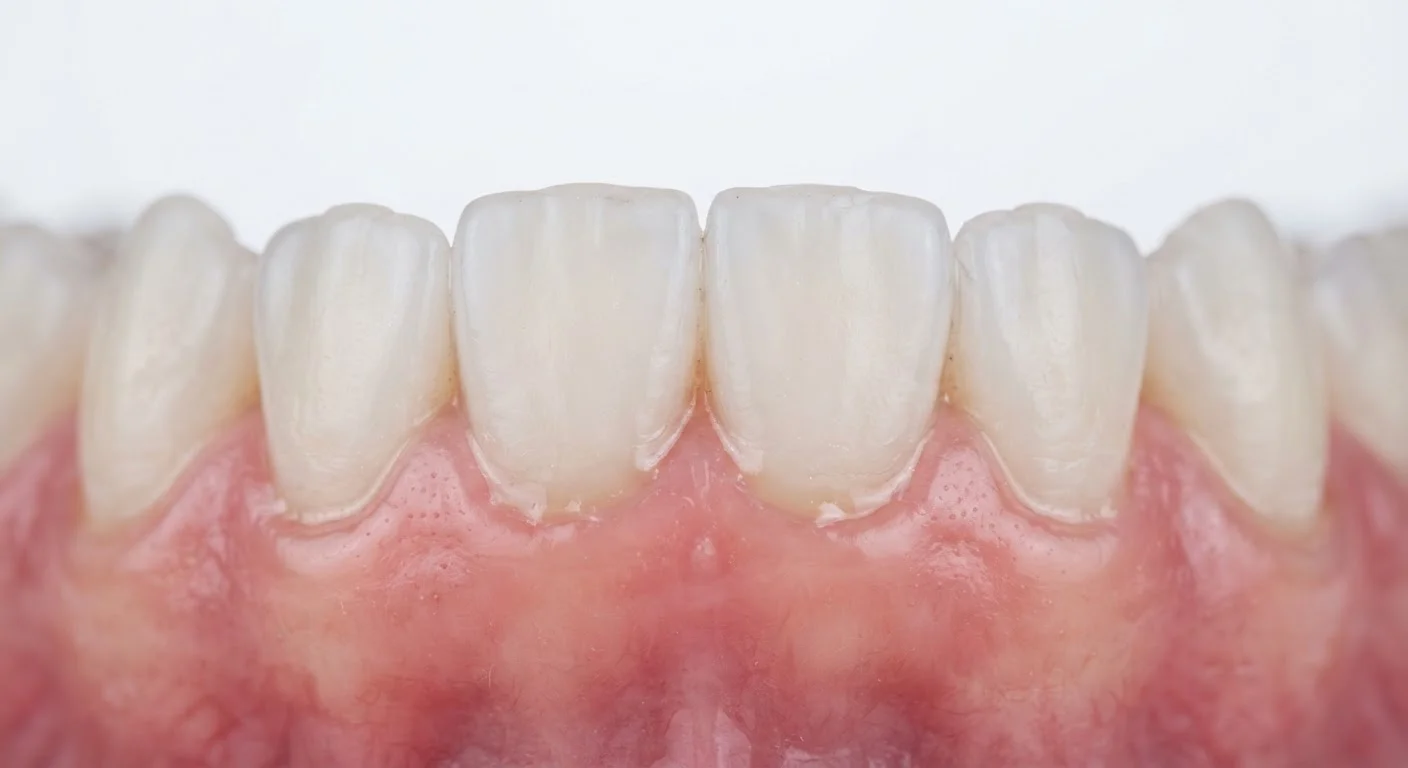
Dental plaque is a soft, sticky film that forms on teeth when bacteria in your mouth mix with food particles and saliva. It adheres to tooth surfaces, including along and beneath the gumline. If not removed daily, plaque hardens into tartar and creates conditions that lead to cavities and gum disease.
Plaque is classified as a microbial biofilm — a structured community of bacteria encased in a self-produced matrix of proteins and polysaccharides, which makes it more resistant to disruption than free-floating bacteria.
What Plaque Actually Is
Plaque is not simply a passive residue left behind by food. It is a living bacterial biofilm — a highly organized community of microorganisms that adheres to tooth surfaces and actively interacts with its environment. More than 700 species of bacteria have been identified in the human mouth, and many contribute to plaque formation.
The process starts when proteins from saliva coat the tooth surface, forming what scientists call the acquired pellicle. Bacteria attach to this layer, multiply, and produce a sticky matrix of sugars and proteins that anchors the community in place. Over 24 to 48 hours, the biofilm matures, becoming denser and more complex. This is why consistency in daily oral hygiene matters — plaque never stops reforming.
Plaque Is Not the Same in Everyone
The composition of your oral microbiome — and therefore your plaque — varies based on genetics, diet, saliva chemistry, and oral hygiene habits. Some individuals are more susceptible to cavity-forming bacteria, while others may harbor species more associated with gum disease. This is one reason personalized guidance from a dentist or periodontist is valuable beyond general oral hygiene recommendations.
Understanding plaque at this level helps explain why brushing technique and frequency are so important — it is not just about removing visible debris, but disrupting a living microbial community before it causes damage.
How Plaque Damages Teeth and Gums
The harm plaque causes comes primarily from one biological process: acid production. When plaque bacteria metabolize fermentable carbohydrates — the sugars and starches in food and drinks — they release organic acids as a byproduct. These acids lower the pH at the tooth surface, dissolving minerals from enamel in a process called demineralization.
Over time, repeated acid attacks erode the enamel layer, eventually creating a cavity. The biological process behind tooth decay follows the same mechanism in children and adults alike, though certain habits can accelerate or slow the pace. What you eat shapes this risk substantially — the connection between diet and dental health is well-established in dental research.
Along the gumline, plaque triggers a different form of damage. The immune system responds to bacterial accumulation with inflammation, causing the gum tissue to become red, swollen, and prone to bleeding — the hallmark signs of gingivitis. Without intervention, this can progress to periodontitis, a more serious condition involving breakdown of the bone and connective tissue that hold teeth in place.
700+
Bacterial species identified in the human mouth
Research published in the Human Oral Microbiome Database identifies over 700 distinct microbial species that may contribute to the oral biofilm.
24–48 hrs
Time for plaque to mature into a complex biofilm
Dental microbiology literature indicates that a structurally complex plaque biofilm can develop within 24 to 48 hours on an unbrushed tooth surface.
~47%
U.S. adults with some form of periodontal disease
According to CDC-reported data from the National Health and Nutrition Examination Survey, nearly half of American adults aged 30 and older have some degree of periodontal disease.
Daily Removal: The Foundation of Prevention
Because plaque reforms continuously, daily disruption is essential. Toothbrushing twice daily using a fluoride toothpaste removes plaque from the outer, inner, and chewing surfaces of teeth. However, a toothbrush cannot reach effectively into the tight spaces between teeth — this is where flossing once daily plays a critical and irreplaceable role.
Maximize Your Brushing and Flossing Routine
Hold your toothbrush at a 45-degree angle toward the gumline to reach the area where plaque accumulates most aggressively. Use gentle, short strokes rather than vigorous scrubbing, which can damage enamel and gum tissue over time. When flossing, curve the floss into a C-shape around each tooth and slide it gently beneath the gumline rather than snapping it straight down.
If plaque is not removed, it absorbs calcium and phosphate from saliva and hardens into tartar (calculus) within days to weeks. Tartar bonds firmly to the tooth surface and cannot be dislodged by brushing alone. Its rough texture creates a more hospitable surface for further plaque accumulation, accelerating the cycle of damage. Removing tartar requires professional scaling during a dental cleaning.
For families, establishing consistent oral hygiene habits early creates compounding benefits over a lifetime. The science of habit formation suggests that routines anchored to existing daily behaviors — like brushing after breakfast and before bed — are more likely to stick. For children, these habits are best introduced early, as primary teeth also require diligent plaque control.
This article is for general informational purposes only and does not constitute medical or dental advice. Always consult a qualified dental professional for guidance specific to your or your family's oral health needs.