

Key Takeaways
- Baby teeth have thinner enamel than adult teeth, making them more vulnerable to acid erosion.
- Frequent sugar and starch exposure — not just total amount — is the primary dietary driver of cavities.
- Bacteria that cause decay can be transmitted from caregivers to infants through shared utensils or pacifiers.
- Inadequate brushing, skipped flossing, and poor rinsing habits allow plaque acids to work unchecked.
- Regular dental visits starting by age one help catch early decay before it progresses.
- Fluoride, applied topically and through fluoridated water, significantly strengthens enamel against acid attack.
Childhood Tooth Decay (Cavities)
A cavity — also called dental caries — is a permanently damaged area in the hard surface of a tooth that develops into a tiny hole. In children, cavities form when bacteria in the mouth feed on sugars and produce acids that slowly dissolve tooth enamel. Because baby teeth have thinner enamel than adult teeth, they are particularly vulnerable to decay. Cavities are the most common chronic disease in children in the United States, according to the Centers for Disease Control and Prevention.
The decay process is driven by specific bacteria, primarily Streptococcus mutans, which colonize the mouth early in life — sometimes transmitted from caregivers — and thrive in acidic, sugar-rich oral environments.
How Cavities Actually Form in a Child's Mouth
Tooth decay is not simply the result of eating sweets — it is a biological process involving bacteria, diet, and tooth structure interacting over time. Understanding the sequence helps parents interrupt it at the right points.
The mouth naturally harbors hundreds of bacterial species. Some, particularly Streptococcus mutans, metabolize fermentable sugars and starches and release lactic acid as a byproduct. That acid lowers the pH in the mouth to a point where it begins dissolving the mineral surface of tooth enamel — a process called demineralization. Saliva works to neutralize the acid and remineralize enamel between meals, but when acid attacks are too frequent or prolonged, repair cannot keep pace and a cavity begins to form.
Children's teeth face a steeper challenge than adults' because baby teeth have naturally thinner, less mineralized enamel. Once decay breaches that outer layer, it progresses faster than it typically would in a permanent tooth. This is why a cavity that might take months to develop in an adult can become significant in a child in a shorter timeframe.
~57%
Children aged 6–11 with a history of cavities
According to CDC National Health and Nutrition Examination Survey data, more than half of children in this age group have had decay in their primary or permanent teeth.
4x
More common than asthma in children
The CDC notes that dental caries is the most prevalent chronic disease of childhood — significantly more common than several other well-known pediatric conditions.
~20%
Children aged 5–11 with untreated decay
CDC data indicate roughly one in five children in this age range has at least one untreated cavity at any given time.
The Everyday Habits That Accelerate the Risk
Biology creates the conditions for decay, but daily habits determine how quickly those conditions translate into damage. Several patterns consistently appear in children with higher cavity rates.
Frequent Sugar and Starch Exposure
The total amount of sugar a child consumes matters less than how often teeth are exposed to it. A child who sips juice steadily throughout the afternoon gives mouth bacteria a near-continuous fuel supply, generating acid for hours. Sticky snacks — fruit pouches, gummies, crackers — cling to enamel surfaces and extend that window further. For a deeper look at how specific foods affect enamel, see how diet shapes your child's teeth.
Inconsistent or Ineffective Brushing
Brushing twice daily with fluoride toothpaste is the foundation of cavity prevention, but technique and timing matter. Many children brush too quickly, miss the back molars, or rinse thoroughly with water immediately after brushing — which washes away the protective fluoride before it can act. Parents often underestimate how long and carefully young children need to be supervised or assisted. Common gaps in kids' dental knowledge covers several well-meaning habits that can quietly undermine the effort.
Skipping Flossing
Toothbrush bristles cannot reach the contact points between teeth — areas where a significant proportion of childhood cavities begin. Flossing once daily, starting when two teeth touch, clears plaque from those hidden surfaces.
Bedtime Bottle and Sippy Cup Use
Allowing infants or toddlers to sleep with a bottle containing milk, formula, or juice bathes teeth in fermentable sugars for hours while saliva flow — the mouth's natural buffer — drops during sleep. This pattern is a well-documented cause of early childhood caries, particularly affecting the upper front teeth.
A Simple Habit That Makes a Real Difference
After your child brushes at night, have them spit out the toothpaste but skip the water rinse. This leaves a thin layer of fluoride on tooth surfaces that continues to strengthen enamel overnight. It is a small adjustment to an existing routine that requires no extra time or equipment.
The Role of Bacteria Transmission and Family Habits
Cavity-causing bacteria are not present at birth — they are acquired, typically from close caregivers. Activities like sharing spoons, tasting food before offering it to a child, or cleaning a pacifier by mouth can transfer S. mutans from a caregiver's oral environment to a baby's. The earlier and more abundantly these bacteria colonize a child's mouth, the higher the subsequent decay risk tends to be.
This does not mean ordinary affection is harmful, but it does highlight that a caregiver's own oral health is relevant to their child's. A parent with active, untreated decay is more likely to harbor high concentrations of decay-causing bacteria.
Family routines also shape children's habits in subtler ways: households that normalize drinking water instead of juice, brushing as a shared evening ritual, and attending regular dental visits tend to produce children with lower cavity rates. For a structured view of what good dental habits look like at each childhood stage, the age-by-age dental care roadmap offers practical, stage-specific guidance.
When to Involve a Dentist — and What They Can Do
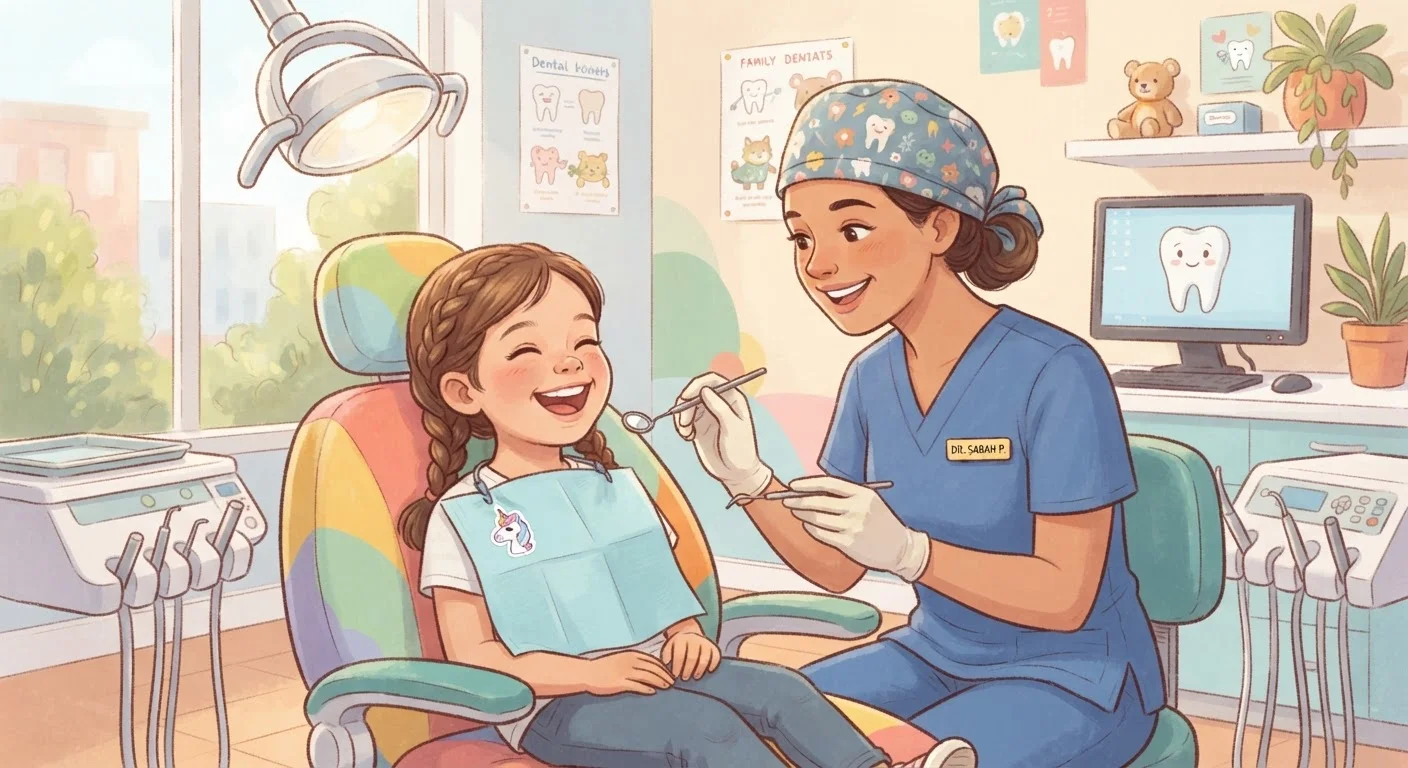
Prevention at home is essential, but professional care closes the gaps. The American Academy of Pediatric Dentistry recommends a child's first dental visit by their first birthday or within six months of the first tooth erupting. Early visits establish a baseline, allow the dentist to assess individual risk, and create familiarity that reduces later dental anxiety — a common barrier to consistent care. See how families can help with dental anxiety in children for evidence-backed approaches to making visits more comfortable.
At check-ups, dentists can apply fluoride varnish to strengthen enamel, place dental sealants on the grooved surfaces of molars where decay most often starts, and identify early-stage lesions before they require restorative treatment. If your child does need treatment, common dental procedures explained provides clear, accessible information on what families may encounter.
If you want a structured tool to make the most of each appointment, the parent's checklist for kids' dental health at every check-up walks through milestones and questions to raise with your child's dentist.
This article is for general informational purposes only and is not a substitute for professional dental or medical advice. Always consult a qualified dental professional for guidance specific to your child's oral health needs.