

Key Takeaways
- Scaling and root planing targets bacteria and tartar deposits that form below the gumline, where regular cleaning cannot reach.
- The procedure is typically recommended when gum disease has progressed beyond early-stage gingivitis.
- Local anesthesia is commonly used, making the treatment more comfortable than many patients expect.
- Most patients experience some soreness and sensitivity for a few days after the procedure.
- Follow-up appointments are essential to confirm gum healing and prevent disease progression.
- Good home hygiene after SRP significantly influences how well gums recover and stay healthy.
Scaling and Root Planing
Scaling and root planing (SRP) is a deep-cleaning procedure used to treat gum disease, specifically periodontitis. Unlike a routine cleaning, it targets bacteria, hardened tartar (calculus), and toxins that have accumulated below the gumline — areas a standard cleaning cannot adequately reach. The goal is to remove these deposits and smooth tooth root surfaces so that gum tissue can reattach and heal.
SRP is classified as a non-surgical periodontal therapy and is often the first line of active treatment recommended when periodontal pocket depths exceed 4 mm with signs of infection or bone loss.
Why Gum Disease Requires More Than a Standard Cleaning
Healthy gums fit snugly around teeth, with shallow spaces called sulci — typically 1 to 3 mm deep — where daily brushing and flossing can do their job. When gum disease (periodontitis) develops, these spaces deepen into pockets. Bacteria, tartar, and toxins accumulate in these pockets, driving ongoing infection and, over time, destroying the bone and connective tissue that anchor teeth.
Understanding why this happens starts with how plaque forms and why it matters. When plaque is not removed consistently, it hardens into calculus — a substance that cannot be removed by brushing alone. Once calculus settles below the gumline, it becomes a persistent irritant that fuels the inflammatory cycle of gum disease.
A routine prophylaxis (standard cleaning) is designed for maintenance of healthy or mildly affected gums. When pocket depths, bleeding, and X-ray evidence suggest active periodontitis, a deeper intervention is needed. That is where scaling and root planing comes in.
What the Procedure Actually Involves
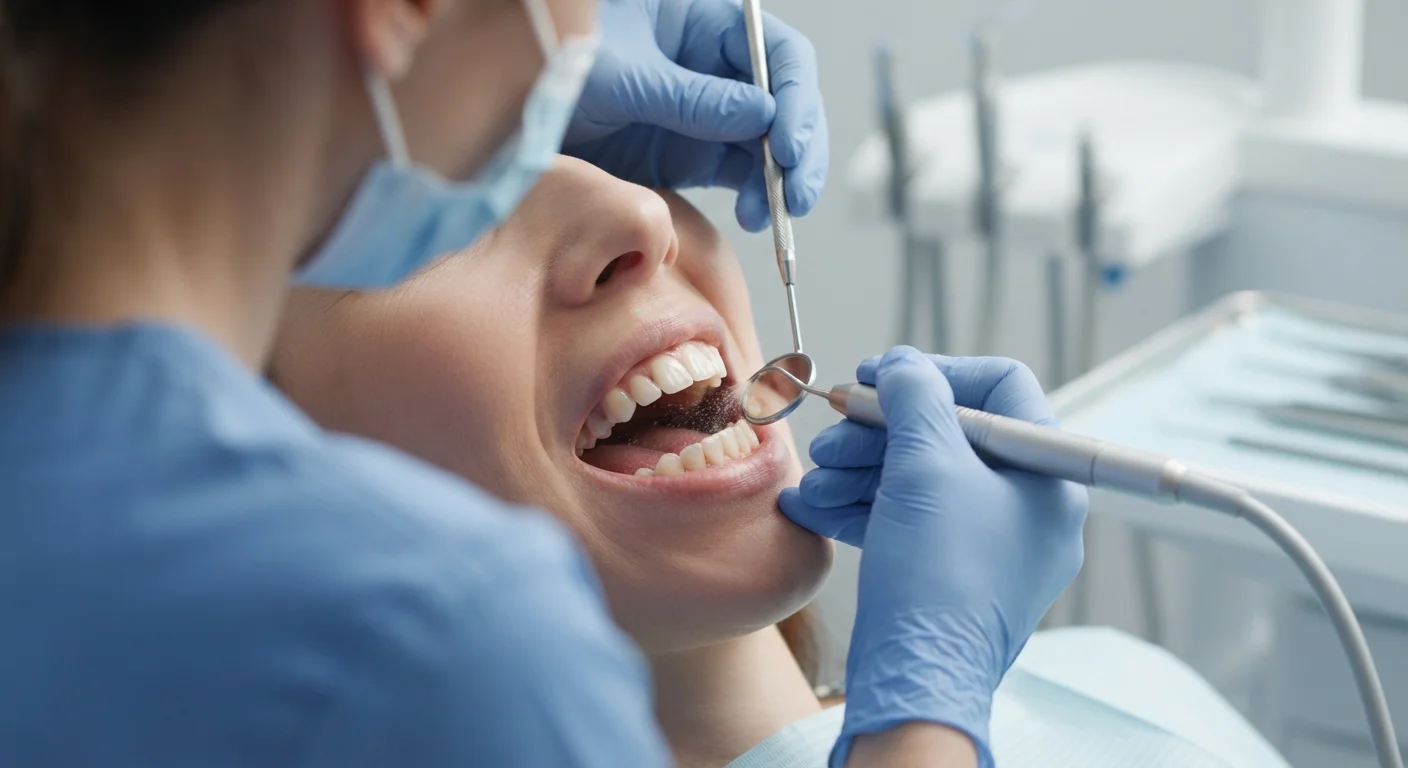
Scaling and root planing is typically performed by a dental hygienist or periodontist (a gum disease specialist) and is usually completed in two to four appointments, treating one section of the mouth at a time.
Step 1: Anesthesia
Local anesthesia is injected into the gum tissue around the treatment area. This numbs the teeth, roots, and surrounding gums so that instruments can work below the gumline without causing pain. Patients often report that anticipating the procedure is worse than the experience itself.
Step 2: Scaling
The clinician uses specialized hand instruments called curettes, or ultrasonic scalers that vibrate at high frequency, to dislodge and remove calculus and bacterial deposits from tooth surfaces — including the portions of the root that extend into the gum pocket.
Step 3: Root Planing
Once deposits are cleared, the root surfaces are carefully smoothed. Rough root surfaces tend to harbor bacteria and make it harder for gum tissue to reattach. Planing creates a cleaner, smoother surface that supports healing.
Ask About Adjunctive Antimicrobial Therapy
If your disease is more advanced, ask your provider whether localized antimicrobial agents placed in the periodontal pocket after SRP might be appropriate for your case. This is not standard for every patient, but for some, it may provide additional benefit in reducing bacterial load at the treatment site.
In some cases, the provider may apply a localized antibiotic or antimicrobial rinse into the periodontal pocket immediately after treatment to help reduce bacterial load. Not all patients require this; it depends on severity and clinical judgment.
What to Expect During Recovery
After the anesthesia wears off — usually within a few hours — some tenderness and sensitivity are normal. Gums may appear slightly swollen or feel sore for two to five days. Cold foods and drinks may trigger sensitivity while roots are exposed and healing.
Post-Procedure Home Care Tips
Following your provider's home-care instructions after SRP is critical to healing outcomes. Consistent but gentle brushing and flossing around treated areas — rather than avoiding them — helps keep bacteria from repopulating the cleaned pockets. If you are unsure how to adjust your technique during recovery, ask your hygienist for a demonstration at your appointment.
- Eat soft, cool foods for the first day or two (yogurt, mashed potatoes, smoothies).
- Brush gently but do not skip brushing — keeping the area clean supports healing.
- Avoid tobacco products, which significantly impair gum tissue recovery.
- Take pain relievers as recommended by your provider if needed.
Gum tissue generally begins to show improvement within a few weeks. A follow-up visit — often four to eight weeks after treatment — lets the dental team measure pocket depths again, assess reattachment, and determine whether further treatment is warranted or whether you can transition to a periodontal maintenance schedule.
SRP is distinct from more complex procedures like tooth fillings or root canal therapy, which address tooth structure and pulp. For comparison, see our overview of what a dental filling procedure involves.
Long-Term Outlook and Maintenance
Research consistently shows that scaling and root planing, when followed by consistent maintenance and good home care, can significantly reduce pocket depths and slow or halt the progression of periodontitis in many patients. However, it is not a cure. Periodontitis is a chronic condition, and without ongoing attention, disease activity can resume.
After completing SRP, most patients are placed on a periodontal maintenance schedule — typically every three to four months rather than the standard six-month check-up interval. These visits allow clinicians to monitor gum health, perform targeted cleanings, and intervene early if pockets begin to deepen again. Your regular dental visits and your daily oral hygiene routine are equally important parts of keeping the disease stable.
47%
U.S. adults aged 30+ with some form of periodontal disease
According to data published by the Centers for Disease Control and Prevention (CDC), nearly half of American adults over 30 have periodontitis in varying degrees of severity.
70%+
Adults over 65 affected by periodontal disease
The same CDC data indicate that periodontal disease prevalence rises significantly with age, affecting more than 70% of adults aged 65 and older.
1–3 mm
Healthy gum pocket depth
Clinical guidelines generally define healthy sulcus depth as 1–3 mm; pockets of 4 mm or deeper, particularly with bleeding, typically signal the need for periodontal treatment.
This article is for informational purposes only and does not constitute medical or dental advice. Gum disease severity and appropriate treatment vary between individuals. Always consult a qualified dental professional for evaluation and personalized care recommendations.