

Key Takeaways
- Removable dentures are among the most affordable and accessible options for replacing multiple missing teeth.
- They require daily cleaning and periodic refitting as jaw bone naturally changes shape over time.
- Full and partial dentures serve different needs depending on how many teeth are missing.
- Implant-supported alternatives exist but involve higher cost and more complex procedures.
- Consulting a dentist is essential to determine which tooth-replacement option fits your health situation.
Generally lower upfront cost than implants
Removable dentures are typically far less expensive than dental implants or implant-supported bridges, making them a more financially accessible option for adults who need to replace multiple teeth.
No surgery required
Fitting conventional dentures does not involve surgical procedures, which makes them suitable for adults who have health conditions, take blood thinners, or have insufficient bone density for implant placement.
Restores basic chewing function and appearance
Dentures allow most adults to eat a wider range of foods than they could with significant tooth loss, and they restore facial support that can diminish when teeth and bone are absent.
Relatively quick fabrication process
Compared to multi-stage implant treatments, dentures can often be ready within a few weeks of initial impressions, allowing patients to regain function sooner.
Repairable and adjustable over time
If a denture breaks or no longer fits well, a dental lab can often reline or repair it — a less disruptive process than replacing a fixed appliance.
May feel less stable than fixed tooth replacements
Lower full dentures in particular can shift during eating or speaking because they rest on a flat gum ridge without any anchoring roots, which some wearers find frustrating or embarrassing.
Ongoing bone loss in the jaw continues
Without root stimulation from natural teeth or implants, the jawbone gradually resorbs, changing facial contours and causing dentures to lose their fit — often requiring relining every few years.
Require daily removal and cleaning
Dentures must be removed, cleaned, and stored nightly, which is a significant lifestyle adjustment and can feel inconvenient compared to fixed restorations that are cared for in the mouth.
Can affect taste and speech initially
Full upper dentures cover the palate, which can reduce taste sensitivity; adjustment to speech — particularly certain sounds — often takes weeks as the tongue adapts to the new appliance.
May need periodic relining or replacement
As jaw shape changes over time, dentures that once fit well can become loose, sore, or ineffective. Most dentures require relining or replacement every five to eight years on average.
Partial dentures may stress remaining teeth
Clasps on partial dentures anchor to adjacent natural teeth, and this mechanical stress — if not properly managed — can contribute to wear or loosening of those teeth over time.
Our Verdict
Removable dentures offer a proven, cost-accessible path to restoring function and appearance after significant tooth loss, and they remain a practical choice for many adults. However, they require consistent maintenance, may feel less secure than fixed alternatives, and typically need adjustment as the jaw changes. They work best when chosen after a thorough conversation with a dental professional who can weigh your oral health, lifestyle, and long-term goals.
Adults who need to replace multiple or all teeth, have budget or health constraints that rule out implants, and are committed to daily denture care and regular dental follow-up.
What Are Removable Dentures?
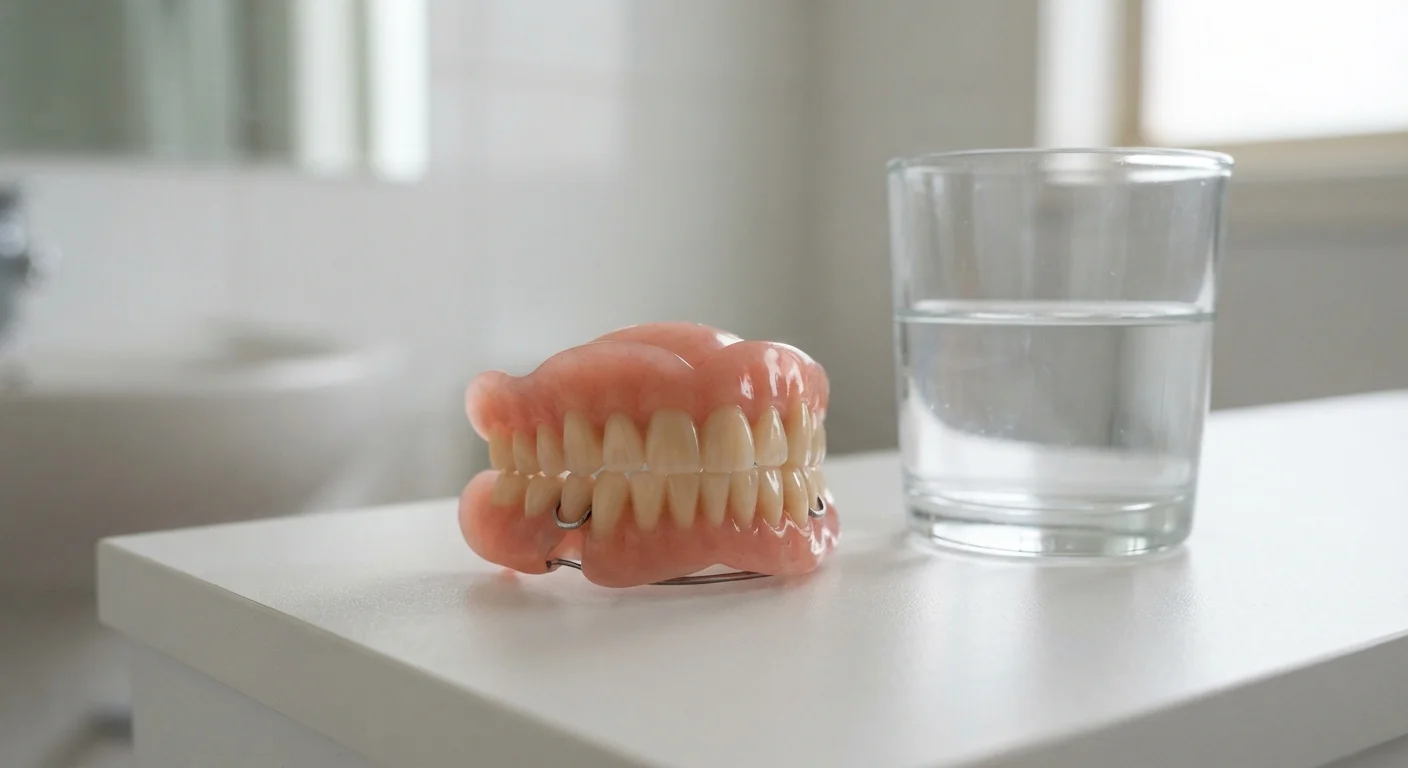
Removable dentures are prosthetic dental appliances designed to replace missing teeth and the surrounding gum tissue. Unlike dental implants or fixed bridges, they can be taken out of the mouth for cleaning and overnight storage. Two main types exist:
- Complete (full) dentures — replace an entire arch of teeth (upper, lower, or both) when all natural teeth are missing.
- Partial dentures — fill gaps left by several missing teeth while clasping onto remaining natural teeth for support.
A dentist or prosthodontist (a specialist in tooth replacement) takes precise impressions of your mouth to fabricate dentures that fit your gum ridges. For a broader comparison of tooth-replacement paths, see Bridges, Dentures, and Implants: Navigating Tooth Replacement Options.
The Advantages of Removable Dentures
For many adults, removable dentures offer meaningful practical benefits worth understanding before making any treatment decision.
Generally lower upfront cost than implants
Removable dentures are typically far less expensive than dental implants or implant-supported bridges, making them a more financially accessible option for adults who need to replace multiple teeth.
No surgery required
Fitting conventional dentures does not involve surgical procedures, which makes them suitable for adults who have health conditions, take blood thinners, or have insufficient bone density for implant placement.
Restores basic chewing function and appearance
Dentures allow most adults to eat a wider range of foods than they could with significant tooth loss, and they restore facial support that can diminish when teeth and bone are absent.
Relatively quick fabrication process
Compared to multi-stage implant treatments, dentures can often be ready within a few weeks of initial impressions, allowing patients to regain function sooner.
Repairable and adjustable over time
If a denture breaks or no longer fits well, a dental lab can often reline or repair it — a less disruptive process than replacing a fixed appliance.
~41 million
US adults who wear dentures
Estimates from American College of Prosthodontists data suggest approximately 41 million Americans wear some form of denture.
5–8 years
Typical denture replacement interval
Dental professionals generally recommend evaluating dentures for relining or replacement every five to eight years as jaw shape changes.
Beyond cost, ease of access is a significant factor. Dentures can often be fabricated in a relatively modest number of appointments compared to surgical alternatives, making them suitable for adults who cannot undergo procedures like implant surgery due to bone density concerns, systemic health conditions, or medications that affect healing.
Partial dentures also help prevent remaining natural teeth from shifting into the gaps left by missing teeth — a gradual process that can disrupt bite alignment and complicate future dental work.
The Disadvantages of Removable Dentures
Dentures come with real limitations that are important to weigh honestly. Understanding these drawbacks helps set realistic expectations and supports better long-term care.
May feel less stable than fixed tooth replacements
Lower full dentures in particular can shift during eating or speaking because they rest on a flat gum ridge without any anchoring roots, which some wearers find frustrating or embarrassing.
Ongoing bone loss in the jaw continues
Without root stimulation from natural teeth or implants, the jawbone gradually resorbs, changing facial contours and causing dentures to lose their fit — often requiring relining every few years.
Require daily removal and cleaning
Dentures must be removed, cleaned, and stored nightly, which is a significant lifestyle adjustment and can feel inconvenient compared to fixed restorations that are cared for in the mouth.
Can affect taste and speech initially
Full upper dentures cover the palate, which can reduce taste sensitivity; adjustment to speech — particularly certain sounds — often takes weeks as the tongue adapts to the new appliance.
May need periodic relining or replacement
As jaw shape changes over time, dentures that once fit well can become loose, sore, or ineffective. Most dentures require relining or replacement every five to eight years on average.
Partial dentures may stress remaining teeth
Clasps on partial dentures anchor to adjacent natural teeth, and this mechanical stress — if not properly managed — can contribute to wear or loosening of those teeth over time.
One of the most clinically significant concerns is bone resorption. When teeth are lost, the underlying jawbone no longer receives stimulation from chewing forces, causing it to gradually shrink. Dentures sit on the gum surface and do not transmit chewing forces into the bone the way natural tooth roots — or dental implants — do. Over time, this bone loss changes the shape of the mouth, making previously well-fitting dentures loose and requiring relining or replacement.
Implant-Supported Dentures: A Middle Ground
For adults who want greater stability without a full implant-per-tooth approach, implant-retained overdentures offer a compromise. A small number of implants (often two to four) are placed to anchor a removable denture, significantly reducing movement during eating and speaking. This option typically costs more than conventional dentures but less than full implant-supported bridges. Ask your dentist whether your jaw bone density and overall health make this a viable option.
Diet also plays a role in overall oral health while wearing dentures. Even without natural teeth, nutritious food choices support gum tissue health. See Diet and Dental Health: Foods That Protect Teeth and Those That Quietly Damage Them for guidance on foods that support oral wellness.
Caring for Removable Dentures
Proper maintenance significantly affects how long dentures remain comfortable and functional. Dental professionals generally recommend the following care habits:
- Remove and rinse dentures after eating to dislodge food debris.
- Brush dentures daily with a soft brush and non-abrasive denture cleaner — regular toothpaste can scratch the acrylic surface.
- Soak dentures overnight in water or a denture-soaking solution to prevent warping and maintain shape.
- Clean your gums and any remaining teeth before reinserting dentures each morning.
- Schedule regular dental check-ups so your dentist can assess fit, check for oral tissue changes, and make adjustments as needed.
Even if you have no remaining natural teeth, routine dental visits remain important. Your dentist screens for oral tissue changes and monitors bone changes that affect denture fit.
This article is for general informational purposes only and does not constitute medical or dental advice. Please consult a qualified dental professional for guidance specific to your oral health needs.