

Key Takeaways
- Iron is essential for myelination, oxygen transport, and neurotransmitter function in the developing brain.
- Iron deficiency is the most common nutritional deficiency in children worldwide, including in the United States.
- The highest-risk periods are infancy, toddlerhood, and adolescence — especially in girls.
- Both animal-based (heme) and plant-based (non-heme) iron sources contribute to dietary intake.
- Pairing plant-based iron with vitamin C improves absorption significantly.
- Always consult a healthcare provider before giving a child iron supplements.
Iron and Brain Development
Iron is an essential mineral that plays a central role in how a child's brain grows and functions. It supports the production of myelin — the protective coating around nerve fibers — and helps deliver oxygen to brain cells. Without adequate iron during key developmental windows, cognitive and behavioral development can be affected in ways that may be difficult to reverse.
Iron is a cofactor for enzymes involved in neurotransmitter synthesis, including dopamine and serotonin pathways, making it particularly important during periods of rapid brain maturation.
Why Iron Matters More Than Most Parents Realize
When parents think about nutrients for brain health, omega-3 fatty acids or B vitamins often come to mind first. Yet iron quietly underpins some of the most fundamental processes in a growing child's brain. It supports the synthesis of myelin — the insulating sheath around nerve fibers that speeds up electrical signals — and plays a direct role in producing dopamine and serotonin, two neurotransmitters linked to mood, attention, and motivation.
Iron also enables red blood cells to carry oxygen to brain tissue. During periods of rapid growth, the brain's demand for oxygen-rich blood is especially high. A shortfall in iron, even one that hasn't progressed to full anemia, can measurably affect cognitive performance. According to the World Health Organization, iron deficiency is the most widespread nutritional deficiency globally, and children are among the most vulnerable groups.
For a broader view of how iron fits within a child's full nutritional picture, see what children actually need from their diet at every growth stage.
~40%
Children affected by iron deficiency anemia worldwide
According to the World Health Organization, iron deficiency anemia affects approximately 40% of children under five globally, making it the most prevalent nutritional deficiency.
15–35%
Absorption rate of heme iron from animal foods
Heme iron from meat, poultry, and fish is absorbed at significantly higher rates than plant-based non-heme iron, which absorbs at roughly 2–20% depending on dietary context.
2–3×
Boost in non-heme iron absorption with vitamin C
Research published in nutritional science literature indicates that consuming vitamin C alongside non-heme iron sources can increase absorption by two to three times compared to eating iron alone.
Developmental Windows When Iron Is Most Critical
Not all stages of childhood carry equal risk. The period from conception through age two is widely regarded as the most sensitive window for iron's influence on brain architecture. Rapid myelination, synapse formation, and expansion of brain volume all occur during this phase — processes that depend heavily on consistent iron availability.
Toddlers transitioning from breast milk or formula to solid foods can face a supply gap if iron-rich foods aren't introduced consistently. Exclusively breastfed infants beyond six months are a recognized risk group because breast milk, while nutritionally rich in many ways, is relatively low in iron.
Adolescence brings a second high-risk window. Growth spurts increase iron demand across all teens, while girls who have begun menstruating face additional losses each month. Research consistently shows that adolescent girls in the U.S. are among the most likely demographic to fall short of recommended iron intake. For more on nutrient gaps in this age group, see why teenagers are frequently low in key nutrients.
Dietary Sources: Heme vs. Non-Heme Iron
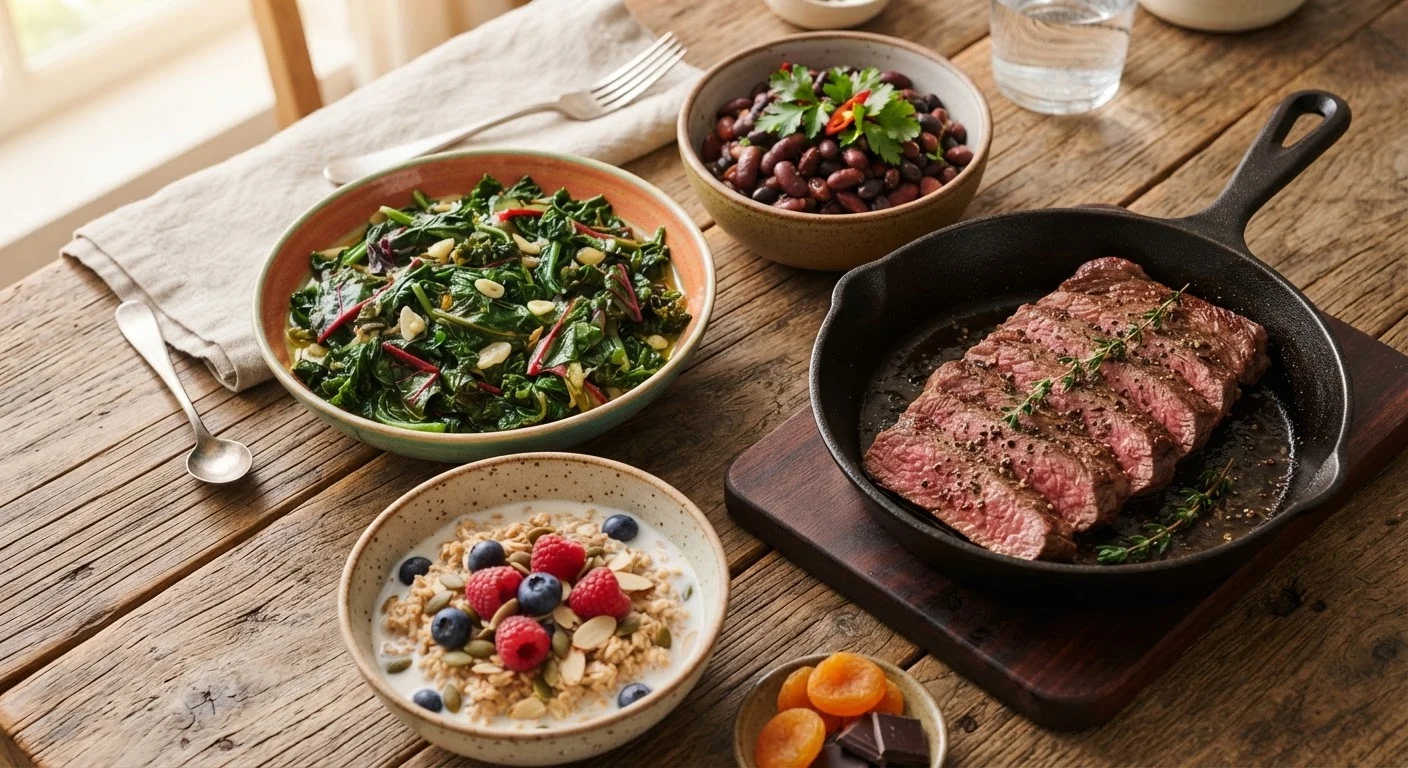
Iron from food comes in two forms. Heme iron, found in animal products such as red meat, poultry, and fish, is absorbed more efficiently by the body — typically at rates of 15–35%. Non-heme iron, found in plant foods like lentils, chickpeas, tofu, dark leafy greens, and fortified cereals, is absorbed at lower rates, generally 2–20%, depending on what else is consumed at the same meal.
The good news is that absorption of non-heme iron is meaningfully enhanced when paired with vitamin C. Serving lentil soup with tomatoes, or a fortified cereal alongside orange juice, can significantly increase how much iron the body actually uses. Conversely, calcium-rich foods and certain compounds in tea or coffee can inhibit iron absorption when consumed at the same time.
Boost Non-Heme Iron Absorption at Meals
When serving plant-based iron sources like beans, lentils, or fortified cereals, include a vitamin C-rich food in the same meal. Good options include bell peppers, strawberries, broccoli, or citrus fruit. Avoid serving tea, coffee, or large amounts of dairy at the same time, as these can reduce how much iron the body absorbs.
For families raising children on plant-based diets, iron planning requires extra attention. See our overview of nutritional considerations for vegetarian and vegan children for a grounded look at managing non-heme iron intake effectively.
Recognizing Risk and When to Seek Guidance
Iron deficiency doesn't always present with obvious symptoms in children. Fatigue, pale skin, reduced appetite, and irritability can all be signs — but they're also associated with many other conditions. This is why iron status is typically assessed through a blood test rather than symptoms alone.
Pediatric guidelines in the U.S. generally recommend screening for iron deficiency anemia at certain developmental checkpoints, particularly for toddlers and high-risk groups. Parents who are concerned about their child's energy levels, concentration, or growth should speak with a healthcare provider rather than drawing conclusions from symptoms alone. Signs that a child's diet may be missing important nutrients offers additional context on what dietary gaps can look like in practice.
Iron supplementation is not appropriate for all children and should only be used when recommended and monitored by a qualified healthcare professional. Excessive iron intake carries its own risks and can interfere with absorption of other minerals.
This article provides general health information for educational purposes only and is not a substitute for professional medical advice, diagnosis, or treatment. Always consult a qualified healthcare provider regarding your child's specific nutritional needs.