

Key Takeaways
- Drug interactions can reduce effectiveness, increase side-effect risk, or cause new, unexpected reactions.
- Interactions occur between prescription drugs, OTC products, supplements, and even certain foods.
- Keeping a complete, up-to-date medication list is one of the most effective prevention tools.
- Your pharmacist is a primary resource for checking interactions before starting any new medication.
- Older adults taking multiple medications face a higher overall interaction risk.
Drug Interaction
A drug interaction occurs when one medication affects the way another medication works in the body. This can make a drug more potent, less effective, or cause unexpected side effects. Interactions can happen between two prescription drugs, between a prescription drug and an over-the-counter product, or even between a medication and certain foods or supplements.
Pharmacokinetic interactions affect how the body absorbs, distributes, metabolizes, or eliminates a drug; pharmacodynamic interactions occur when two drugs produce additive, synergistic, or opposing effects at the same target site.
How Medications Interact in the Body
When you take more than one medication, those substances don't simply coexist in your body — they can influence each other in meaningful ways. Most interactions fall into two broad categories: pharmacokinetic and pharmacodynamic.
Pharmacokinetic interactions affect the drug's journey through the body. The liver, for instance, uses a family of enzymes (notably the CYP450 system) to break down many medications. If one drug slows down these enzymes, a second drug may build up to higher-than-intended levels. If another drug speeds the enzymes up, the second drug may be cleared too quickly to do its job.
Pharmacodynamic interactions happen when two drugs act on the same biological target or system. Two sedating medications taken together may produce excessive drowsiness — a combined effect neither drug would cause alone at the same dose. Alternatively, two drugs with opposing effects can cancel each other out, reducing the benefit of one or both.
Not Every Interaction Means Danger
The word 'interaction' can sound alarming, but not all interactions result in harm. Some are minor and well-managed within a healthcare provider's plan; others may even be intentional. What matters is that interactions are known, monitored, and factored into prescribing decisions — which is why full disclosure to your care team is so important.
Common Sources of Interaction Risk
Understanding where interaction risk comes from helps families stay alert in real, everyday situations.
- Drug-drug combinations: The most frequently discussed type. Blood thinners, antidepressants, antibiotics, and cardiovascular medications are among the classes most commonly involved in clinically significant interactions.
- OTC products and prescriptions: Families often assume OTC medications are automatically safe alongside prescriptions. They are not automatically safe — see our guide to OTC and prescription interactions for a closer look at high-risk categories.
- Supplements and herbal products: Products like St. John's Wort, fish oil, and garlic supplements can alter drug metabolism. Because supplements are not regulated the same way as prescription drugs, many people don't mention them to their healthcare providers.
- Foods and beverages: Grapefruit juice is a well-documented example — it can block liver enzymes and raise blood levels of certain medications significantly. Foods and drinks that affect medications are covered in greater depth in a companion article.
~125,000
Annual U.S. deaths linked to medication non-adherence and errors
Estimates cited by the American College of Preventive Medicine suggest medication-related problems, including interactions, contribute to a substantial burden of preventable harm annually.
40%
Adults aged 65+ taking five or more medications
Data from the CDC and related national surveys indicate a substantial share of older Americans take multiple prescription drugs simultaneously, raising cumulative interaction risk.
Who Is Most at Risk — and Why
Anyone taking more than one medication carries some level of interaction risk, but certain groups warrant extra attention.
Older adults are particularly vulnerable. As the body ages, kidney and liver function often decline, meaning drugs are processed more slowly and can accumulate. Older adults are also more likely to take multiple medications simultaneously — a situation known as polypharmacy. For a thorough look at that topic, see our article on polypharmacy in older adults.
People managing chronic conditions such as heart disease, diabetes, or epilepsy frequently require combinations of medications that each carry their own interaction profiles. Children and pregnant individuals represent special populations where interaction risks may differ significantly from the general adult population — always consult a qualified healthcare provider for guidance in these cases.
Practical Steps Families Can Take
Awareness is the first line of defense, but a few concrete habits make a real difference:
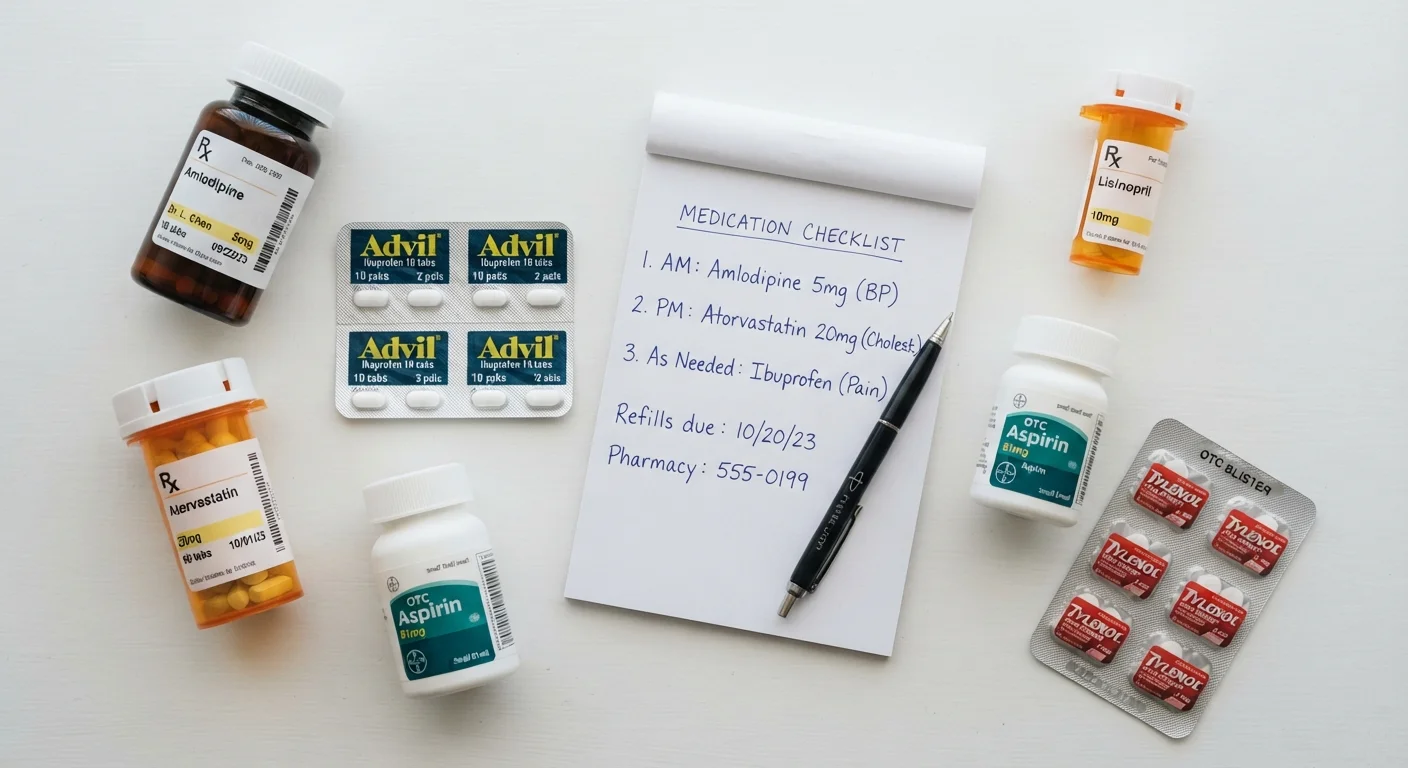
- Maintain a complete medication list. Include every prescription, OTC product, vitamin, and supplement, with doses and how often each is taken. Update it whenever anything changes and bring it to every healthcare appointment.
- Use one pharmacy when possible. A single pharmacist who can see your full medication record is better positioned to catch interactions than multiple providers working in isolation.
- Ask before adding anything new. Before starting any new medication — even a common OTC painkiller or a vitamin — ask your pharmacist whether it's safe alongside your current regimen. This takes less than five minutes and can prevent serious problems.
- Read the medication guide. The information leaflet included with prescription medications lists known interactions. The drug facts label on OTC products does the same.
Families managing complex regimens should also be aware of how drug interactions apply when combining prescriptions, and why conversations with a pharmacist or physician are essential in those situations.
Bring Your Medication List to Every Appointment
A written or digital list of every drug, supplement, and OTC product you take is one of the simplest and most powerful safety tools available to your family. Include the name, dose, and frequency for each item. Your pharmacist or doctor can spot potential interactions much more effectively when they have the full picture. Keep a copy accessible at home in case of emergencies.
This article is for general informational purposes only and is not a substitute for professional medical or pharmaceutical advice. Always consult a qualified healthcare provider before making changes to any medication regimen.