

Why Every Section of the Label Matters
Medication labels — whether on an OTC bottle from the pharmacy shelf or a prescription filled just for you — are legal documents designed to protect your safety. Each section exists because a reader who skips it may take a wrong dose, ignore a dangerous interaction, or store a medication incorrectly. This reference decodes every field so you can use any label with confidence.
For context on how OTC and prescription labels differ in format and purpose, the note below is worth reading before diving in.
OTC Drug Facts Label: Section by Section
The FDA requires all over-the-counter medications sold in the U.S. to carry a standardized "Drug Facts" panel. Here is what each section tells you:
- Active Ingredient(s)
- Lists each therapeutic substance and the amount per dose. This is where you check for duplicates — many cold and pain products share active ingredients, and taking two at once can lead to an unintentional overdose.
- Purpose
- A brief phrase (e.g., "antihistamine," "pain reliever/fever reducer") classifying what the ingredient does.
- Uses
- The specific symptoms or conditions the product is labeled to treat. Using a product outside these listed uses is considered off-label and should be discussed with a pharmacist or clinician.
- Warnings
- Arguably the most critical section. Contains allergy alerts, conditions under which you should not use the product, when to stop use, when to see a doctor, and special-population cautions (pregnancy, children, elderly). Read this section every time — even for a product you have used before.
- Directions
- Tells you how much to take, how often, and for how long. Directions often vary by age group; use only the row that applies to the person taking the medication.
- Other Information
- May include storage instructions, sodium content for those monitoring intake, or tamper-evident packaging details.
- Inactive Ingredients
- Relevant for anyone with known allergies to dyes, lactose, gluten, or other excipients. If you are unsure whether an ingredient is a concern, ask your pharmacist.
- Questions or Comments
- A manufacturer contact line — useful for reporting unexpected reactions or requesting additional product information.
Prescription Label Fields Explained
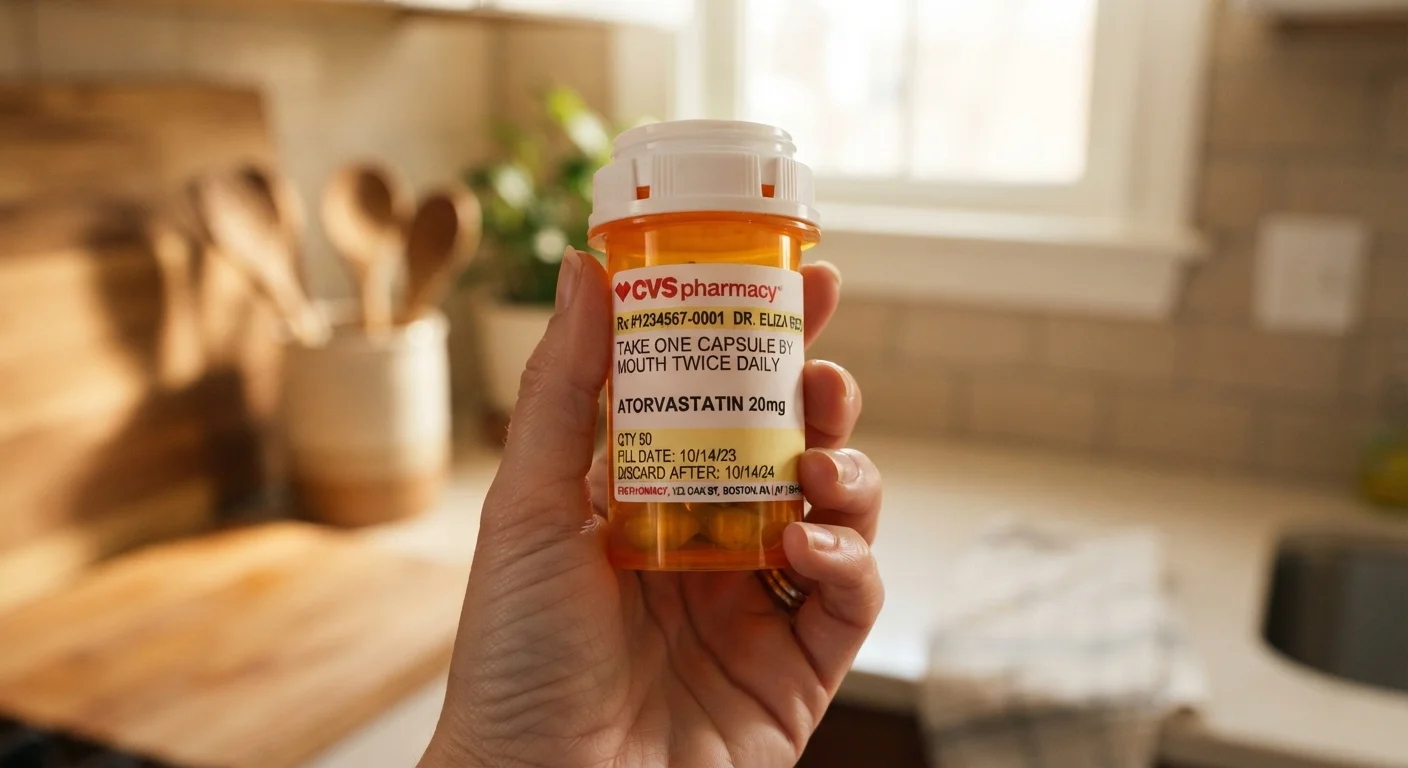
Pharmacy-generated prescription labels do not follow the OTC Drug Facts format, but they carry equally critical information. Here are the key fields to locate on every prescription bottle:
- Patient name and date of birth: Confirm this is your medication before taking the first dose.
- Prescriber name: The licensed clinician who authorized the prescription.
- Drug name, strength, and form: Both the brand and generic name may appear. "Strength" refers to the concentration per dose unit (e.g., 500 mg per tablet).
- Dosage instructions: These are written specifically for you, not the general population. Follow them precisely. See our guide to decoding prescription label abbreviations if any instruction is unclear.
- Dispense date and expiration: The dispense date is when the pharmacy filled the prescription. The expiration date printed by the pharmacy is typically one year from that date, though it may be earlier if the manufacturer's date is sooner. For storage guidance, learn what storage instructions on prescription labels actually mean.
- Refill information: Shows how many refills remain and may include a "no refill" or "call doctor" note.
- Auxiliary labels: The small colored stickers affixed to the bottle (e.g., "Take with food," "Avoid alcohol," "May cause drowsiness") are not optional reminders — they reflect pharmacist counseling in label form and should be followed.
- NDC and pharmacy contact: The NDC uniquely identifies the exact product dispensed. The pharmacy phone number is your first call for any question about the medication.
This article provides general health information only and is not a substitute for advice from a licensed pharmacist or healthcare provider. Always consult a qualified professional for personal medical decisions.