

Key Takeaways
- Uterine fibroids are noncancerous growths that affect up to 70–80% of women by age 50, according to the NIH.
- Treatment decisions depend on symptom severity, fibroid size and location, and reproductive goals.
- Options range from watchful waiting and medication to minimally invasive procedures and surgery.
- No single treatment path is right for everyone — a personalized approach with a gynecologist is essential.
- Women who want to preserve fertility should discuss that priority explicitly before any intervention.
Multiple options preserve the uterus and fertility
Myomectomy, UFE, and several medical therapies allow fibroid treatment without sacrificing reproductive capacity, a critical consideration for women who have not completed their families.
Minimally invasive procedures reduce recovery time
Approaches such as UFE and laparoscopic myomectomy typically involve shorter hospital stays and faster return to daily activity compared to open abdominal surgery.
Medical therapies can provide rapid symptom relief
Hormonal agents and antifibrinolytics can meaningfully reduce heavy bleeding within one to two menstrual cycles, offering women an interim solution while considering longer-term management.
Hysterectomy eliminates recurrence entirely
For women who have completed childbearing and have severe, refractory symptoms, hysterectomy offers a permanent resolution with no risk of fibroids returning.
Watchful waiting avoids unnecessary intervention
Many fibroids remain asymptomatic indefinitely or regress after menopause, making active observation a reasonable, low-risk default for women who are not significantly affected.
Medical therapies do not permanently eliminate fibroids
Hormonal treatments shrink fibroids or manage symptoms only while the medication is taken; fibroids typically return to previous size after discontinuation.
Myomectomy carries a meaningful recurrence risk
Fibroids can regrow after myomectomy, with recurrence rates reported in the range of 20–30% at five years, potentially requiring repeat treatment.
UFE is generally not recommended for future pregnancies
Data on pregnancy outcomes after uterine fibroid embolization remains limited, and most specialists advise women who plan to conceive to consider uterus-sparing surgical alternatives instead.
Hysterectomy is irreversible and ends fertility
While definitive, hysterectomy permanently removes the uterus, making it an inappropriate choice for any woman who may wish to carry a pregnancy in the future.
Long-term hormonal therapy poses bone density risks
GnRH agonists, if used beyond the recommended duration (typically six months), can cause clinically significant reductions in bone mineral density, limiting their use as ongoing therapy.
Access to advanced procedures varies by location
Minimally invasive options such as MRI-guided focused ultrasound are not universally available and may require referral to specialized centers, creating disparities in treatment access.
Our Verdict
Uterine fibroid management is not one-size-fits-all. Watchful waiting is appropriate for women with minimal symptoms, while hormonal therapies offer temporary symptom relief without surgery. Minimally invasive procedures and surgical options provide more durable relief but carry varying trade-offs in recovery, fertility impact, and recurrence risk.
Women experiencing fibroid-related symptoms that affect quality of life, or those planning a pregnancy, benefit most from a thorough evaluation with a gynecologist to match treatment intensity to individual goals.
What Are Uterine Fibroids and Why Do They Require a Decision?
Uterine fibroids — also called leiomyomas or myomas — are noncancerous tumors that grow in or around the uterus. They range from microscopic to the size of a grapefruit, and their location (submucosal, intramural, or subserosal) significantly influences which symptoms develop and which treatments are viable.
Not all fibroids cause symptoms. When they do, women may experience heavy menstrual bleeding, pelvic pressure or pain, frequent urination, and in some cases, complications with fertility or pregnancy. The challenge is that the same fibroid profile can produce vastly different experiences in different women, making a standardized treatment approach impractical.
Because fibroids are the leading indication for hysterectomy in the United States, understanding all available options — and their respective trade-offs — is vital. This article examines the management spectrum so women can enter clinical conversations informed. For related context on how other reproductive conditions are distinguished from fibroids, see how endometriosis and adenomyosis differ.
The Full Spectrum of Fibroid Management
Treatment approaches fall into four broad categories: observation, medical therapy, minimally invasive procedures, and surgery. Each carries a distinct risk-benefit profile.
Watchful Waiting
For women with small, asymptomatic fibroids — particularly those nearing menopause, when fibroids often shrink — monitoring without active treatment is a clinically accepted option. It avoids procedure-related risks entirely but requires periodic imaging to track growth.
Hormonal and Medical Therapies
GnRH agonists (such as leuprolide) can reduce fibroid size and heavy bleeding by inducing a temporary low-estrogen state, but are generally limited to short-term use due to bone density effects. Progestins, the levonorgestrel intrauterine device (IUD), and tranexamic acid can manage bleeding symptoms without shrinking fibroids. Newer oral GnRH antagonists (elagolix, relugolix) offer an alternative with faster onset. None of these eliminate fibroids permanently.
Minimally Invasive Procedures
Uterine fibroid embolization (UFE) blocks blood supply to fibroids, causing them to shrink. It preserves the uterus and has a well-established safety record, though it is generally not recommended for women planning future pregnancies. Endometrial ablation addresses bleeding but is only appropriate for women who do not wish to conceive. Focused ultrasound (MRI-guided) offers a non-incisional option for select candidates.
Surgical Options
Myomectomy removes fibroids while preserving the uterus and is preferred for women with fertility goals. Hysterectomy is the only definitive cure and eliminates recurrence risk entirely, but it is irreversible and ends reproductive capacity. Both can be performed through open, laparoscopic, or robotic approaches depending on fibroid burden and surgeon expertise.
70–80%
Women affected by fibroids by age 50
According to the National Institutes of Health (NIH), uterine fibroids affect the majority of women during their reproductive years, though many remain asymptomatic.
~30%
Women with fibroids who develop significant symptoms
ACOG estimates that roughly one-third of women with fibroids experience symptoms severe enough to seek medical treatment.
200,000+
Hysterectomies performed annually for fibroids in the U.S.
Uterine fibroids remain the leading indication for hysterectomy in the United States, underscoring the importance of patient awareness of all available alternatives.
Advantages of Current Fibroid Treatment Options
The diversity of available treatments is itself a significant advantage — women no longer face a binary choice between tolerating symptoms and undergoing major surgery.
Multiple options preserve the uterus and fertility
Myomectomy, UFE, and several medical therapies allow fibroid treatment without sacrificing reproductive capacity, a critical consideration for women who have not completed their families.
Minimally invasive procedures reduce recovery time
Approaches such as UFE and laparoscopic myomectomy typically involve shorter hospital stays and faster return to daily activity compared to open abdominal surgery.
Medical therapies can provide rapid symptom relief
Hormonal agents and antifibrinolytics can meaningfully reduce heavy bleeding within one to two menstrual cycles, offering women an interim solution while considering longer-term management.
Hysterectomy eliminates recurrence entirely
For women who have completed childbearing and have severe, refractory symptoms, hysterectomy offers a permanent resolution with no risk of fibroids returning.
Watchful waiting avoids unnecessary intervention
Many fibroids remain asymptomatic indefinitely or regress after menopause, making active observation a reasonable, low-risk default for women who are not significantly affected.
Disadvantages and Limitations to Consider
No treatment path is without trade-offs. Understanding these limitations helps set realistic expectations and ensures that decisions align with personal priorities and health circumstances.
Medical therapies do not permanently eliminate fibroids
Hormonal treatments shrink fibroids or manage symptoms only while the medication is taken; fibroids typically return to previous size after discontinuation.
Myomectomy carries a meaningful recurrence risk
Fibroids can regrow after myomectomy, with recurrence rates reported in the range of 20–30% at five years, potentially requiring repeat treatment.
UFE is generally not recommended for future pregnancies
Data on pregnancy outcomes after uterine fibroid embolization remains limited, and most specialists advise women who plan to conceive to consider uterus-sparing surgical alternatives instead.
Hysterectomy is irreversible and ends fertility
While definitive, hysterectomy permanently removes the uterus, making it an inappropriate choice for any woman who may wish to carry a pregnancy in the future.
Long-term hormonal therapy poses bone density risks
GnRH agonists, if used beyond the recommended duration (typically six months), can cause clinically significant reductions in bone mineral density, limiting their use as ongoing therapy.
Access to advanced procedures varies by location
Minimally invasive options such as MRI-guided focused ultrasound are not universally available and may require referral to specialized centers, creating disparities in treatment access.
A Note on Symptom Severity and Treatment Thresholds
Treatment is not automatically indicated simply because fibroids are present on imaging. Clinical guidelines from organizations such as ACOG emphasize that the decision to intervene should be driven by how significantly symptoms affect a woman's quality of life, reproductive goals, and overall health — not by fibroid size or count alone. Women with incidentally discovered, asymptomatic fibroids are often best served by periodic monitoring rather than immediate intervention.
Fertility, Life Stage, and Shared Decision-Making
A woman's reproductive plans are arguably the most critical factor shaping which treatment is appropriate. Hysterectomy and some ablation procedures permanently end fertility, making them unsuitable for women who may wish to conceive. Myomectomy preserves the uterus but carries a fibroid recurrence rate of roughly 20–30% within 5 years, according to data reviewed by ACOG.
Women approaching menopause may find that conservative management or short-term medical therapy is sufficient to bridge symptom control until natural estrogen decline reduces fibroid activity. Younger women with symptomatic fibroids and fertility goals require a more individualized assessment — this is a context where a referral to a reproductive specialist may be warranted. For more on how fertility planning intersects with reproductive health decisions, the article on fertility preservation options provides useful complementary context.
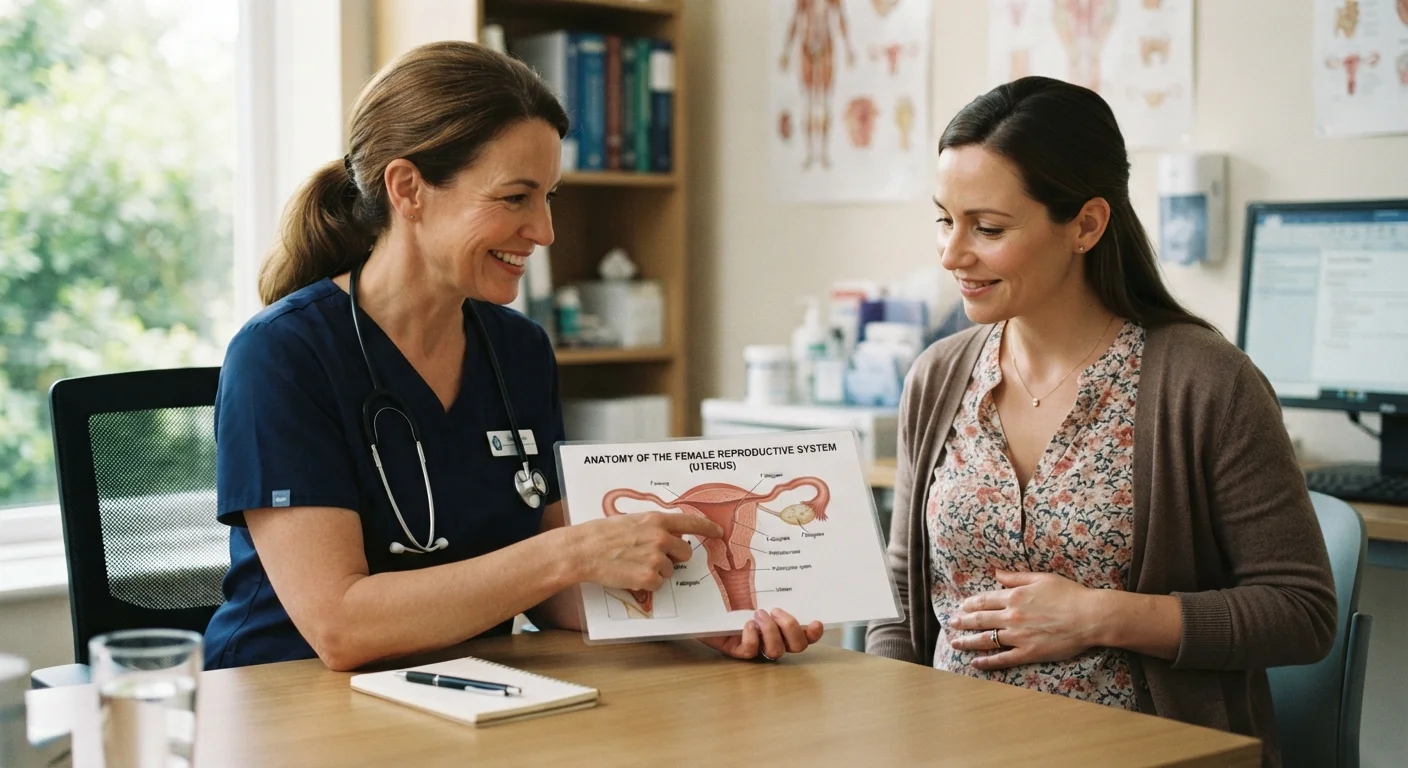
Shared decision-making — where clinicians present evidence-based options and patients communicate their values and goals — is the recommended model for fibroid management. Routine preventive care also plays a supporting role; understanding what routine screenings measure can help women stay proactive across all areas of reproductive health.
This article is for general informational and educational purposes only and does not constitute medical advice. Always consult a qualified healthcare provider for diagnosis, treatment recommendations, or guidance specific to your health situation.