
When a Child Gets Into the Medicine Cabinet: What to Know About Accidental Ingestion

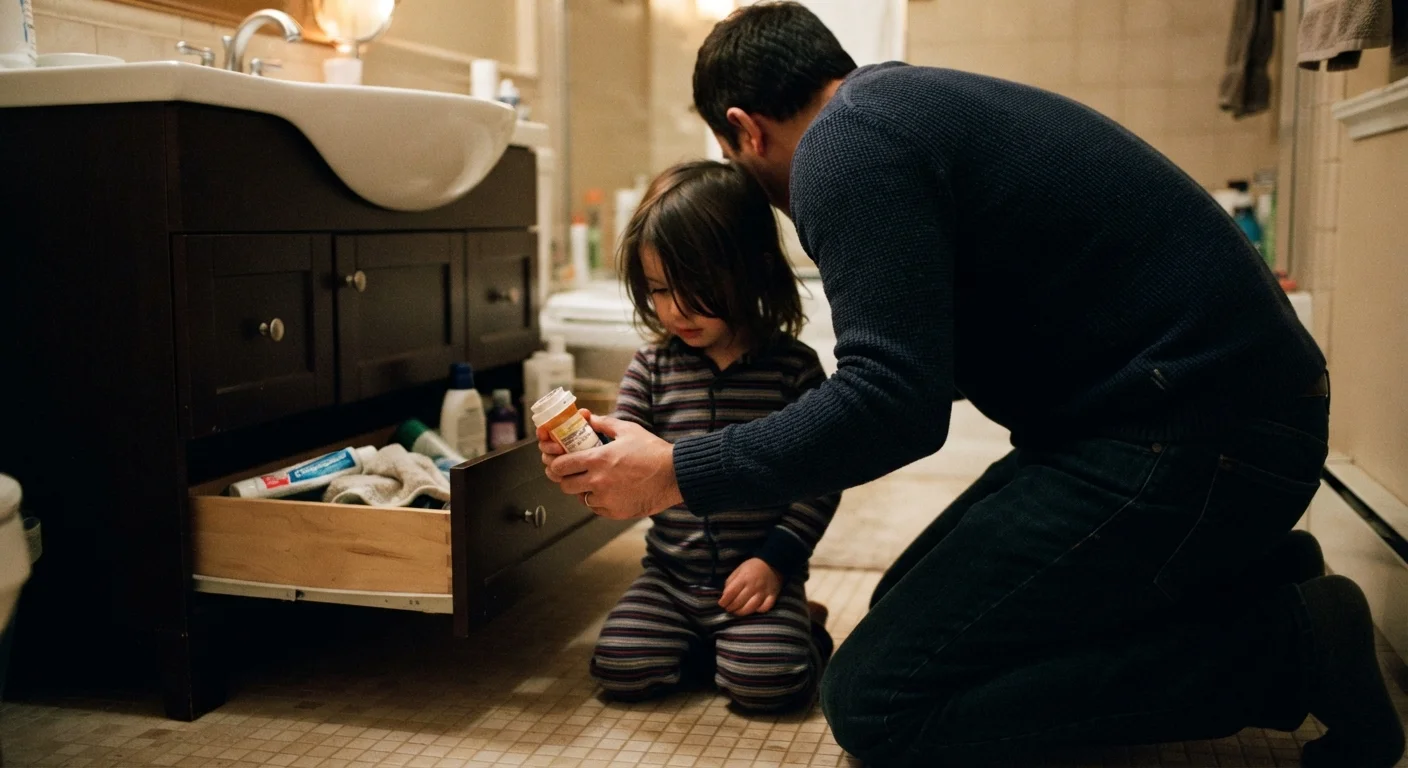
Key Takeaways
- Children under five account for the majority of medication poisoning calls to poison control centers.
- If a child ingests any medication, call Poison Control (1-800-222-1222) immediately — do not wait for symptoms.
- Child-resistant caps are not childproof; out-of-reach, locked storage is the safest approach.
- Vitamins, iron supplements, and grandparents' medications are among the most common culprits.
- Never induce vomiting unless specifically directed by a medical professional or Poison Control.
Start here
Why Children Are at High Risk
Critical steps
What to Do Immediately If It Happens
Build good habits
Storing Medications Safely at Home
Go further
Prevention Strategies That Actually Work
Why Children Are at High Risk
Young children are naturally curious and have no concept of danger associated with medications. To a toddler, a colorful pill or a flavored liquid can look and smell like candy or juice. The U.S. Centers for Disease Control and Prevention (CDC) and the American Association of Poison Control Centers consistently report that children under five are disproportionately affected by accidental medication ingestion.
Several factors heighten the risk in everyday family life:
- Developmental curiosity: Children between ages one and five explore objects by putting them in their mouths.
- Accessibility: Medications left on countertops, in purses, or in low cabinets are easy for small hands to reach.
- Grandparents' visits: Guests may carry medications in bags or pill organizers without child-resistant packaging.
- Flavored formulations: Chewable tablets and gummy vitamins are intentionally palatable, making overconsumption more likely.
Accidental ingestion
When a child (or adult) swallows a substance — such as a medication — unintentionally or without understanding what it is.
Poison Control
A network of specialized centers in the U.S. (reachable at 1-800-222-1222) staffed by toxicology experts who provide free, immediate guidance on poisoning and overdose situations.
Child-resistant packaging
Bottle caps or blister packs designed to require steps that are difficult for young children to complete, such as pressing and turning simultaneously. They slow access but are not guaranteed to prevent it.
Toxicology
The branch of science that studies how chemicals and substances — including medications — affect the body, especially in harmful amounts.
Take-back program
An authorized collection program, often run at pharmacies or community sites, where households can safely drop off unused or expired medications for proper disposal.
Understanding this risk is the foundation of prevention. For a broader look at how everyday medication habits create household hazards, see common medication mistakes families make.
What to Do Immediately If It Happens
Staying calm and acting quickly are the two most important things you can do. Follow these steps:
- Stay calm and assess. Note what medication was ingested, how much is missing from the container, and approximately when it happened.
- Call Poison Control: 1-800-222-1222. This free, confidential service is available 24 hours a day, 7 days a week across the United States. Specialists will tell you exactly what to do based on your child's weight, age, and the specific substance involved.
- Call 911 if the child is unresponsive, not breathing, or having a seizure. These are medical emergencies requiring immediate emergency services — do not wait to call Poison Control in these situations.
- Do not induce vomiting. This is a common instinct, but it can cause additional harm depending on the substance. Only follow this step if specifically instructed by Poison Control or a physician.
- Bring the container. Whether you call Poison Control or go to an emergency room, having the original medication bottle — with its label and lot number — gives clinicians critical information.
Never Induce Vomiting Without Expert Guidance
It may feel instinctive to make a child vomit after swallowing something harmful, but doing so without professional direction can worsen the situation — certain substances cause more damage coming back up. Always call Poison Control or 911 first and follow their specific instructions.
Time matters. Some medications cause delayed but severe effects, so even if your child appears fine immediately after ingestion, professional guidance is still essential.
Storing Medications Safely at Home
Proper storage is the most reliable way to prevent accidental ingestion. The standard approach of keeping medications in a bathroom cabinet is actually one of the riskier choices — not only because of humidity and heat, but because bathroom cabinets are frequently at a child's eye level or easily climbed to.
Recommended storage practices include:
- Use a high, locked cabinet. A lockbox or a cabinet with a childproof latch placed above arm's reach is the gold standard.
- Always reseal child-resistant caps completely after each use — an improperly closed cap offers no protection.
- Store medications out of sight. Children are less likely to seek out what they cannot see.
- Apply the same rules to vitamins and supplements, which many families store casually on kitchen counters.
- Remind visitors. Politely ask houseguests to keep their medications in their bags or in a secured location during visits.
Disposing of medications you no longer need is equally important — fewer medications in the home means less risk. Our guide on disposing of unused medications safely outlines responsible methods including take-back programs.
Post Poison Control Where You Can See It
Write the Poison Control number — 1-800-222-1222 — on a piece of paper and stick it to your refrigerator or medicine cabinet door. During a stressful emergency, even a saved phone contact can be hard to find quickly. A visible physical reminder can make a real difference.
Prevention Strategies That Actually Work
Beyond storage, a few consistent household habits can meaningfully reduce accidental ingestion risk:
- Never call medication candy. Framing medicine as a treat — even to encourage a reluctant child to take it — can blur the line and lead children to seek it out on their own.
- Take medications away from children's sight. Avoid taking your own medications in front of young children when possible, as they mimic adult behavior.
- Use original containers. Transferring pills to unlabeled containers removes critical safety information and increases confusion.
- Program Poison Control into your phone now: 1-800-222-1222. In a stressful moment, having the number ready saves precious seconds.
- Audit your home regularly. Check purses, coat pockets, nightstands, and car gloveboxes — anywhere medications might be left within reach.
Accidental ingestion is also part of a wider picture of household medication safety. Reviewing our complete family medication safety guide can help you build a comprehensive approach, from safe dosing to proper disposal. For guidance on measuring and timing doses correctly to avoid errors, see safe dosing practices every family should know.
This article is for informational purposes only and is not a substitute for professional medical advice. If you believe a child has ingested any medication or substance, contact Poison Control at 1-800-222-1222 or emergency services immediately.