
Navigating Prescription Refills: Timing, Limits, and What to Do When You Run Out

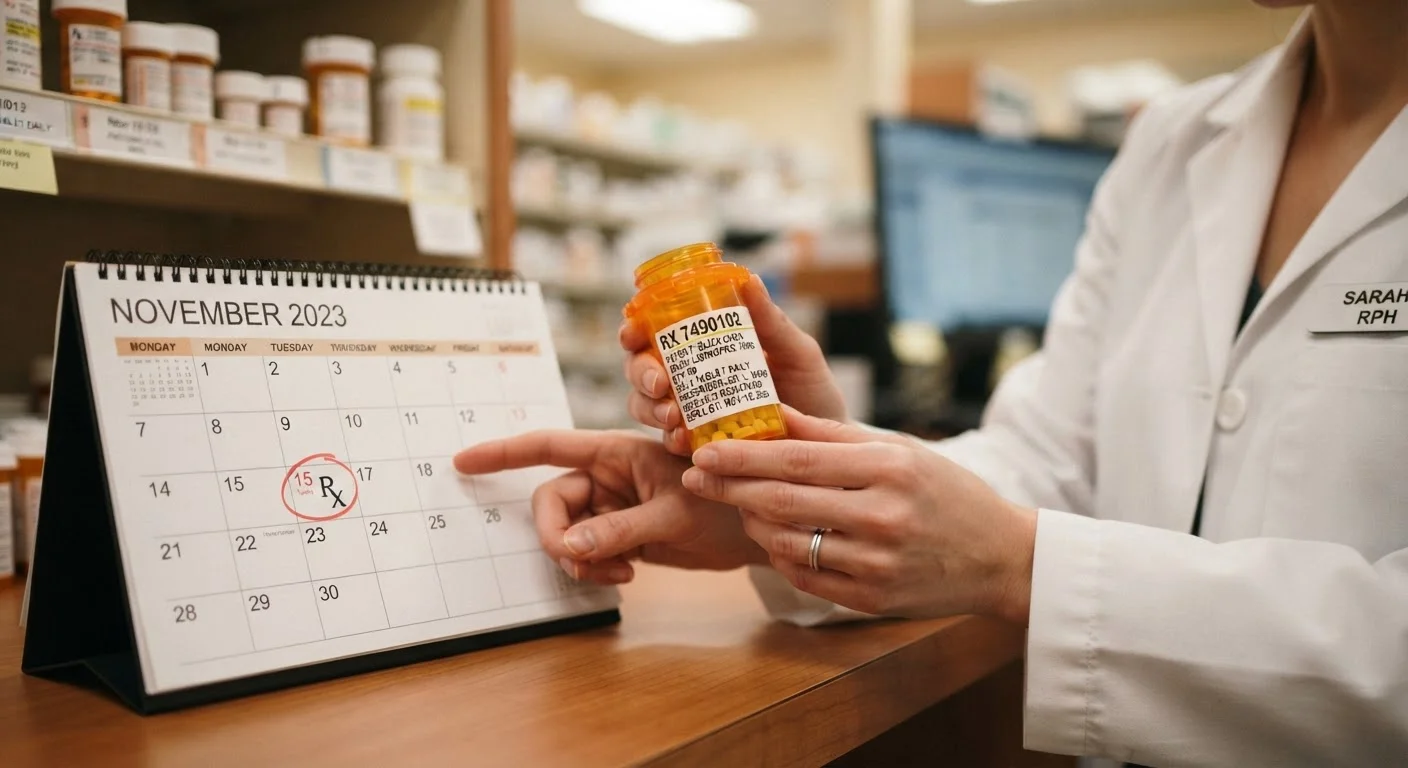
Key Takeaways
- Refill windows vary by medication type — controlled substances have stricter rules than standard prescriptions.
- Most prescriptions expire within one year; controlled substances often have shorter validity periods.
- Requesting refills 5–7 days before running out helps prevent dangerous treatment gaps.
- If you run out unexpectedly, your pharmacist may offer an emergency supply in some states.
- Auto-refill programs and pill organizers can help families stay ahead of refill deadlines.
What you will need
How Prescription Refill Rules Work
Not every prescription refills the same way. The rules governing when and how often you can refill a medication depend largely on how that drug is classified by the DEA and the laws of your state.
Standard (non-controlled) medications — such as most blood pressure drugs, thyroid medications, and antidepressants — can typically be filled for up to a one-year supply under a single prescription, with refills dispensed according to what the prescriber authorizes. Most prescriptions carry a validity of 12 months from the date written, though this can vary by state.
Controlled substances are classified into schedules (Schedule II through V) based on their potential for dependence. Schedule II medications — including certain stimulants and opioids — cannot be refilled at all under federal law; a new prescription is required each time. Schedule III and IV drugs (such as some sleep aids and low-dose codeine combinations) may allow up to five refills within six months. Schedule V drugs follow rules closer to standard medications but still carry additional oversight.
Understanding these distinctions matters for planning ahead. For a broader look at how prescriptions are written and managed, see The Complete Family Guide to Understanding Prescriptions.
Controlled Substance Rules Vary by State
While federal law sets the baseline for controlled substance scheduling, individual states can impose stricter rules — including shorter prescription validity periods, mandatory e-prescribing, or limits on days' supply. Always confirm the specific rules that apply to your medication and state with your pharmacist or prescriber.
Why Pharmacies Enforce "Too Soon" Refill Limits
If you've ever tried to refill a prescription and been told it's "too soon," you've encountered what pharmacists call the refill-too-soon rule. Insurance plans and state pharmacy boards commonly require that a certain percentage of a previous supply be used before a new fill is dispensed — often 75–80% of the days' supply.
These limits serve two purposes: they discourage medication stockpiling, and they help identify patterns that could suggest misuse, particularly with controlled substances. This is not a judgment on individual patients — it's a system-wide safeguard built into pharmacy dispensing software.
If you have a legitimate reason for needing a refill earlier than usual (travel, natural disaster, change in dosing schedule), speak directly with your pharmacist and prescriber. Documentation from your provider can often resolve the issue. You can also review why prescriptions expire and how to renew them for related guidance.
Step-by-Step: Managing Refills Without Running Out
The steps below apply to most ongoing prescription medications. Always consult your pharmacist or prescriber if your situation involves controlled substances, special populations (children, pregnant individuals, older adults), or complex multi-drug regimens. For households managing several medications at once, an organizational approach to multiple prescriptions can help.
Know your refill count and expiration date
Check your prescription label or your pharmacy's patient portal. Look for two key pieces of information: the number of refills remaining and the prescription's expiration date. If either is unclear, call your pharmacy — they can pull up your record quickly.
Request refills 5–7 days before you run out
Build a buffer into your routine. For a 30-day supply, set a reminder on day 23 or 24 to initiate the refill. This window gives your pharmacy time to process the request, contact your prescriber if needed, and handle any insurance issues without leaving you without medication.
Enroll in auto-refill or set calendar reminders
Many pharmacies offer automatic refill programs that initiate a new fill when your supply is nearly depleted. If your pharmacy offers this and your prescriber approves, it's worth enrolling for stable, ongoing medications. Alternatively, set recurring calendar alerts for each prescription in your household.
Coordinate prescription renewals before the authorization expires
When your refills run out or the prescription itself expires, you'll need a renewal from your prescriber — this is different from a refill. Schedule any required follow-up appointments well in advance, particularly if your provider requires a visit before renewing. Telehealth options may be available for some medications. See why prescriptions expire to understand this distinction in full.
Run a pre-refill safety check
Before picking up each refill, take a moment to verify that nothing has changed: your dose, your other medications, or any new health conditions. Review storage requirements for the medication and confirm you have appropriate space at home. The pre-refill safety checklist provides a structured way to do this before every pickup.
Sync All Refills to One Pickup Day
If multiple family members take daily medications, ask your pharmacy about synchronizing all refills to the same calendar date each month. This reduces the risk of missing a refill and simplifies household medication management considerably. Most major pharmacies offer a "med sync" program at no extra cost.
What to Do If You've Already Run Out
Running out of a medication — especially one taken daily for a chronic condition — can feel alarming. Here's what to do right away:
- Contact your pharmacy first. Many states allow pharmacists to dispense an emergency supply (typically a 72-hour supply) of certain non-controlled medications while you arrange a new prescription. Ask specifically whether this applies in your state and to your medication.
- Call your prescriber's office. Most practices have an on-call provider or nurse line for urgent situations. Explain that you've run out and need an urgent refill or bridge prescription.
- Check for samples or prior fills. In some cases, your provider's office may have samples on hand for short-term coverage. Do not use medications left over from a different prescription or from another family member.
- Do not abruptly stop certain medications. Stopping some drugs — including corticosteroids, antidepressants, beta-blockers, and anticonvulsants — without medical guidance can cause serious withdrawal effects or rebound symptoms. If you cannot immediately refill one of these, contact a healthcare professional before stopping.
For a complete safety framework around prescription management at home, the Medication Safety Family Guide is a helpful companion resource.
This article is for general informational and educational purposes only. It is not a substitute for professional medical or pharmacy advice. Always consult your pharmacist or prescriber about your specific medications and health situation.