

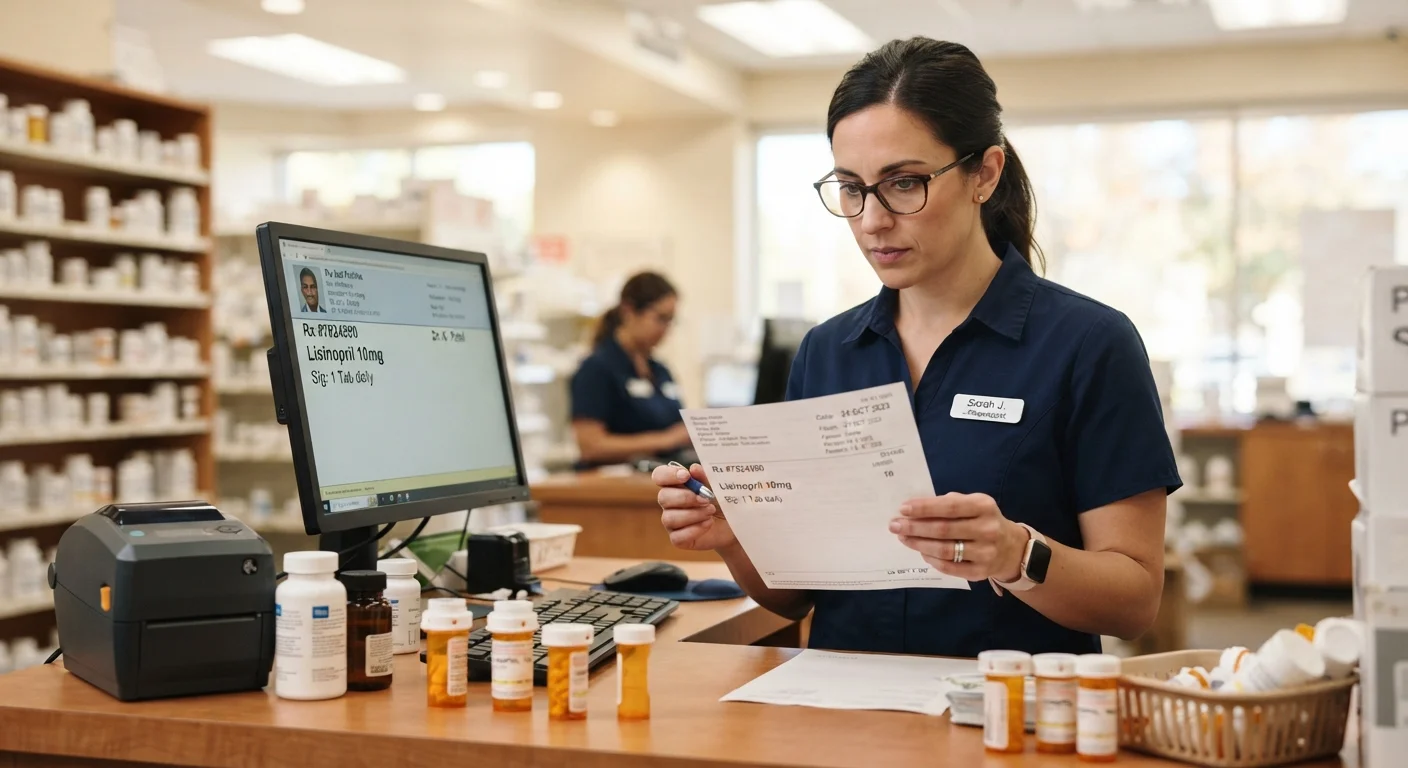
Key Takeaways
- Prescription errors occur at multiple stages, from prescribing to dispensing to administration at home.
- Illegible handwriting, sound-alike drug names, and incomplete patient information are leading error causes.
- Patients who actively verify their prescriptions at the pharmacy catch errors before they cause harm.
- Keeping an up-to-date medication list and sharing it with every provider significantly reduces prescribing mistakes.
- Your pharmacist is a frontline resource — always ask questions before leaving the counter with a new medication.
Why Prescription Errors Are More Common Than Most Families Realize
A prescription error is any preventable event that causes or could cause a patient to receive the wrong medication, the wrong dose, or the right medication at the wrong time or through the wrong route. According to the FDA, medication errors are a significant public health concern, affecting millions of Americans each year across all healthcare settings.
The good news is that many errors are intercepted before reaching the patient — by pharmacists, nurses, or automated systems. But errors do occasionally make it all the way home. Understanding where in the process they tend to happen is the first step toward protecting your family. See our complete family medication safety guide for a broader look at safe medication management from start to finish.
1.5M
Americans harmed by medication errors annually
The Institute of Medicine has estimated that at least 1.5 million preventable adverse drug events occur in the United States each year across all care settings.
~50%
Of errors caught at the pharmacy dispensing stage
Research published in pharmacy practice journals consistently finds that pharmacist review intercepts roughly half of prescribing errors before a patient receives their medication.
7,000+
Drug name pairs flagged as look-alike or sound-alike
The FDA and ISMP maintain ongoing lists of look-alike/sound-alike drug name pairs, with thousands of combinations identified as posing a mix-up risk in clinical settings.
The Most Common Prescription Mistakes — and How to Avoid Them
Errors can originate with the prescriber, be compounded at the pharmacy, or arise from miscommunication between the two. The mistakes below represent the most frequently documented categories in clinical and pharmacy literature.
Prescribing the wrong drug due to sound-alike or look-alike drug names (LAASDs).
Why it happens: Thousands of drug pairs share similar spellings or pronunciations — for example, hydroxyzine and hydroxychloroquine, or Zantac and Xanax. Under time pressure, a prescriber or pharmacist can easily confuse them.
Incorrect dose prescribed because the provider lacked complete patient information.
Why it happens: Dosing often depends on a patient's weight, kidney or liver function, age, and other medications. When providers work from incomplete records — especially in urgent care or emergency settings — the selected dose may not be appropriate.
Dispensing the right drug at the wrong strength because the label was misread or entered incorrectly.
Why it happens: Many medications come in multiple strengths — a 10 mg tablet and a 100 mg tablet may look nearly identical in packaging. A data-entry error or a misread handwritten prescription can result in a ten-fold dose difference.
Missing a critical drug interaction because the prescriber was unaware of all current medications.
Why it happens: Patients often see multiple providers who do not share electronic records in real time. A specialist may prescribe a medication without knowing what a primary care physician already prescribed, creating a potentially dangerous combination.
Refilling the wrong patient's prescription due to similar names in the pharmacy system.
Why it happens: Common names combined with a busy pharmacy workflow can lead staff to pull medication for the wrong file, particularly when two patients share a first or last name.
For additional context on how prescriptions are written and filled, our complete guide to understanding prescriptions walks through the entire process step by step.
Building Your Family's Prescription Safety Routine
Individual vigilance remains one of the most effective defenses against prescription errors. Here are practical habits every family can build into their routine:
- Maintain a current medication list. Record every prescription, OTC drug, vitamin, and supplement for each household member, including dosages and the prescribing provider. Bring this list to every appointment and every pharmacy visit.
- Confirm at the counter. Before you leave the pharmacy, confirm the drug name, strength, and purpose match what your provider prescribed. Open the bag and check the label while the pharmacist is still available.
- Ask the pharmacist directly. Pharmacists are trained medication experts. A simple question — "Can you walk me through what this is for and how I should take it?" — takes under two minutes and catches many errors before they reach home.
- Use one pharmacy when possible. A single pharmacy keeps a complete medication profile and is better positioned to flag dangerous drug interactions across all your prescriptions.
Families who take these steps are well-positioned to catch the kinds of errors described in common medication mistakes families make without realising. You may also find our safe dosing practices guide useful for reinforcing accuracy once medications are home.
If You Suspect You Received the Wrong Medication
Do not take a medication you are uncertain about. Contact your pharmacist immediately — even after hours, most pharmacy chains offer a 24-hour helpline. If you or a family member has already taken medication that may have been dispensed in error, call Poison Control (1-800-222-1222) or seek emergency care without delay. You can also report the error confidentially to the FDA's MedWatch program or the Institute for Safe Medication Practices (ISMP).
This article is for general informational and educational purposes only and is not a substitute for professional medical or pharmaceutical advice. Always consult a licensed healthcare provider or pharmacist for guidance specific to your health situation or medications.