
Polycystic Ovary Syndrome and Hormonal Disruption: Separating Fact from Fiction

Key Takeaways
- PCOS is a hormonal and metabolic condition, not simply a reproductive or cosmetic one.
- You do not need ovarian cysts to receive a PCOS diagnosis under current clinical criteria.
- Irregular periods alone do not confirm PCOS — a full clinical evaluation is required.
- PCOS does not make pregnancy impossible, though it may affect fertility without treatment.
- Lifestyle changes and medical management can significantly improve hormonal symptoms.
Why PCOS Misconceptions Are So Persistent
Polycystic ovary syndrome (PCOS) affects an estimated 8–13% of women of reproductive age globally, according to the World Health Organization, yet it remains one of the most commonly misunderstood hormonal conditions. Misdiagnosis, delayed diagnosis, and incomplete information all contribute to a landscape where many women spend years seeking answers. Some of the confusion stems from the condition's name itself, which implies a straightforward structural problem when the reality is far more complex.
PCOS sits at the intersection of endocrinology, metabolism, and reproductive medicine. Its presentation varies considerably from person to person, which means no single symptom tells the whole story. For a fuller picture of what PCOS involves, see our overview of PCOS as a reproductive condition. The myth-and-fact pairs below address the most consequential misconceptions circulating about PCOS and hormonal disruption.
Myth
PCOS always causes cysts on the ovaries, which is what gives it the name.
Fact
The 'cysts' in PCOS are actually immature follicles, and their presence is not required for diagnosis.
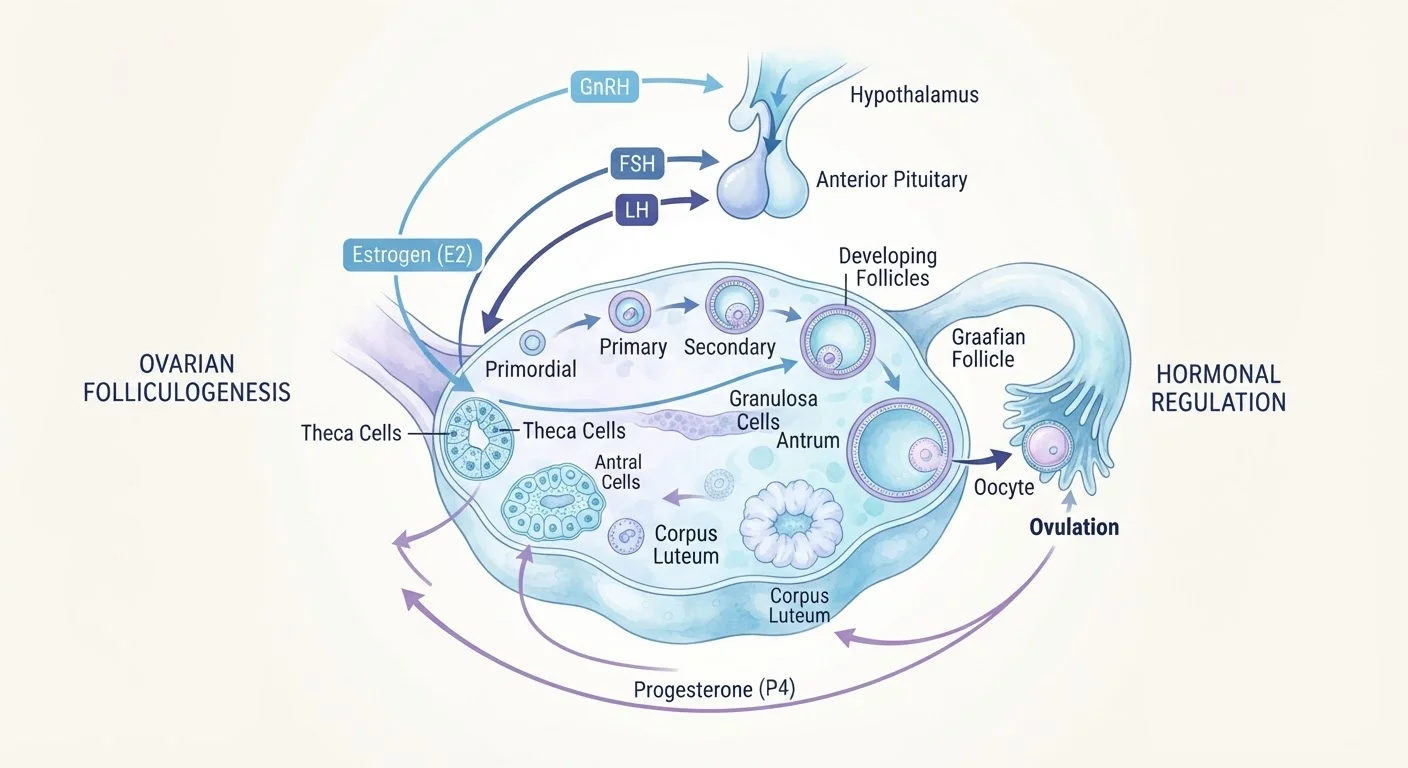
Despite the name, polycystic ovary syndrome does not require the presence of true ovarian cysts. What imaging sometimes detects are multiple small, undeveloped follicles — fluid-filled sacs that contain eggs which have not fully matured. Under the widely used Rotterdam criteria, a diagnosis of PCOS requires at least two of three features: irregular ovulation, elevated androgens (male-type hormones), and a polycystic ovarian appearance on ultrasound. A woman can be diagnosed with PCOS without any follicle irregularities visible on imaging, and having follicle clusters does not automatically mean a person has PCOS.
Myth
PCOS is primarily a fertility problem and only matters if you want to get pregnant.
Fact
PCOS is a systemic hormonal and metabolic condition with implications well beyond reproductive function.
While PCOS is a leading cause of ovulatory infertility, its effects extend across multiple body systems. Women with PCOS face higher risks of insulin resistance, type 2 diabetes, cardiovascular risk factors, and mood disorders including anxiety and depression. Hormonal imbalances associated with PCOS — particularly elevated androgens and disrupted oestrogen-progesterone signalling — can affect skin, hair, bone density, and sleep. Understanding PCOS as a lifelong metabolic condition, not a temporary fertility challenge, is important for long-term health management regardless of reproductive goals. For more on the hormonal relationships involved, see how oestrogen and progesterone interact.
Myth
Irregular periods automatically mean you have PCOS.
Fact
Many conditions and factors can cause irregular periods; PCOS is just one possibility that requires a clinical evaluation to confirm.
Irregular menstruation can result from thyroid disorders, hyperprolactinaemia, hypothalamic dysfunction, significant weight changes, excessive exercise, or stress — none of which are PCOS. A thorough workup typically includes blood tests to assess androgen levels, thyroid function, prolactin, and sometimes cortisol, alongside a clinical history and potentially a pelvic ultrasound. Self-diagnosing based on cycle irregularity alone is not reliable and can lead to missed diagnoses of other treatable conditions. Anyone experiencing persistent menstrual irregularity should discuss it with a qualified healthcare provider.
Myth
PCOS means you cannot get pregnant naturally.
Fact
Many people with PCOS conceive naturally or with relatively straightforward medical support.
PCOS is associated with anovulation — cycles where no egg is released — which can reduce but does not eliminate the chance of natural conception. Ovulation can be unpredictable rather than absent, and many people with PCOS do conceive without intervention. When fertility support is needed, ovulation induction is often effective. According to clinical guidance from organisations such as the American College of Obstetricians and Gynecologists (ACOG), many PCOS-related fertility challenges are manageable with appropriate care. Framing PCOS as an absolute barrier to pregnancy is inaccurate and can cause unnecessary distress.
Myth
Losing weight will cure PCOS.
Fact
Weight management can improve some PCOS symptoms, but it does not resolve the underlying hormonal condition.
In individuals with PCOS and excess weight, modest weight loss has been shown to improve insulin sensitivity, restore more regular ovulation, and reduce androgen levels — all meaningful clinical benefits. However, PCOS occurs across all body sizes, including in people with low or normal body weight, and the condition's hormonal and genetic underpinnings do not disappear with weight change. Framing PCOS solely as a weight problem can lead to harmful oversimplification and may delay appropriate care for those who do not fit that profile. A comprehensive management plan addresses metabolic, hormonal, and psychological dimensions together.
Myth
The contraceptive pill cures PCOS by regulating your cycle.
Fact
Hormonal contraceptives manage certain PCOS symptoms but do not treat the underlying condition.
Combined oral contraceptives are commonly prescribed to help regulate cycles, reduce androgen-related symptoms such as acne and excess hair growth, and protect the uterine lining against the risks associated with prolonged absence of progesterone. However, these medications mask rather than resolve the underlying hormonal disruption. When the pill is stopped, symptoms and cycle irregularities typically return. This distinction matters for long-term planning, particularly for those who eventually want to conceive or who are weighing different management strategies. It is also why some women find their PCOS symptoms unmasked only after discontinuing hormonal contraception. If you find that hormonal symptoms are being minimised or dismissed, understanding how to advocate for better care can help.
Understanding PCOS in the Broader Hormonal Picture
PCOS does not exist in isolation. It shares overlapping hormonal mechanisms with other conditions, including endometriosis, and the connection between endometriosis and hormones illustrates how complex and interrelated these conditions can be. Elevated luteinising hormone (LH), insulin resistance, and androgen excess are among the hormonal drivers most consistently identified in PCOS research.
8–13%
Women of reproductive age affected by PCOS
According to the World Health Organization, PCOS is one of the most common hormonal disorders among women globally.
Up to 70%
Of PCOS cases estimated to go undiagnosed
Research published in peer-reviewed endocrinology literature suggests a substantial proportion of women with PCOS are never formally diagnosed.
~50%
Of women with PCOS showing insulin resistance
Clinical studies indicate insulin resistance is present in roughly half of all PCOS cases, regardless of body weight, underscoring the metabolic dimension of the condition.
Management decisions should always be made in partnership with a qualified healthcare provider who can account for the full clinical picture. PCOS presentations differ substantially, and what works well for one person may not be appropriate for another. Approaches may span lifestyle modification, hormonal therapy, insulin-sensitising medications, and psychological support — often in combination.
This article is for general health information and educational purposes only. It is not a substitute for professional medical advice, diagnosis, or treatment. Always consult a qualified healthcare professional regarding any symptoms or health concerns.