
Polycystic Ovary Syndrome (PCOS): Understanding a Common Reproductive Condition

Key Takeaways
- PCOS is a hormonal disorder affecting roughly 1 in 10 women of reproductive age worldwide.
- Diagnosis requires meeting at least two of three Rotterdam criteria: irregular ovulation, elevated androgens, or polycystic ovaries on ultrasound.
- PCOS is a leading — but manageable — cause of ovulation-related infertility.
- Long-term risks include type 2 diabetes, cardiovascular disease, and endometrial changes if untreated.
- Lifestyle adjustments and medical treatments can meaningfully reduce symptoms and health risks.
- Always work with a qualified healthcare provider for an accurate diagnosis and personalized management plan.
Start here
What Is PCOS?
Next
Recognizing the Symptoms
Then
How PCOS Is Diagnosed
Going deeper
PCOS, Fertility, and Long-Term Health
Take action
Managing PCOS: What the Evidence Supports
What Is PCOS?
Polycystic ovary syndrome (PCOS) is a hormonal disorder affecting an estimated 8–13% of women of reproductive age, making it one of the most common endocrine conditions in this population, according to the World Health Organization. Despite its prevalence, it remains widely misunderstood — and frequently underdiagnosed.
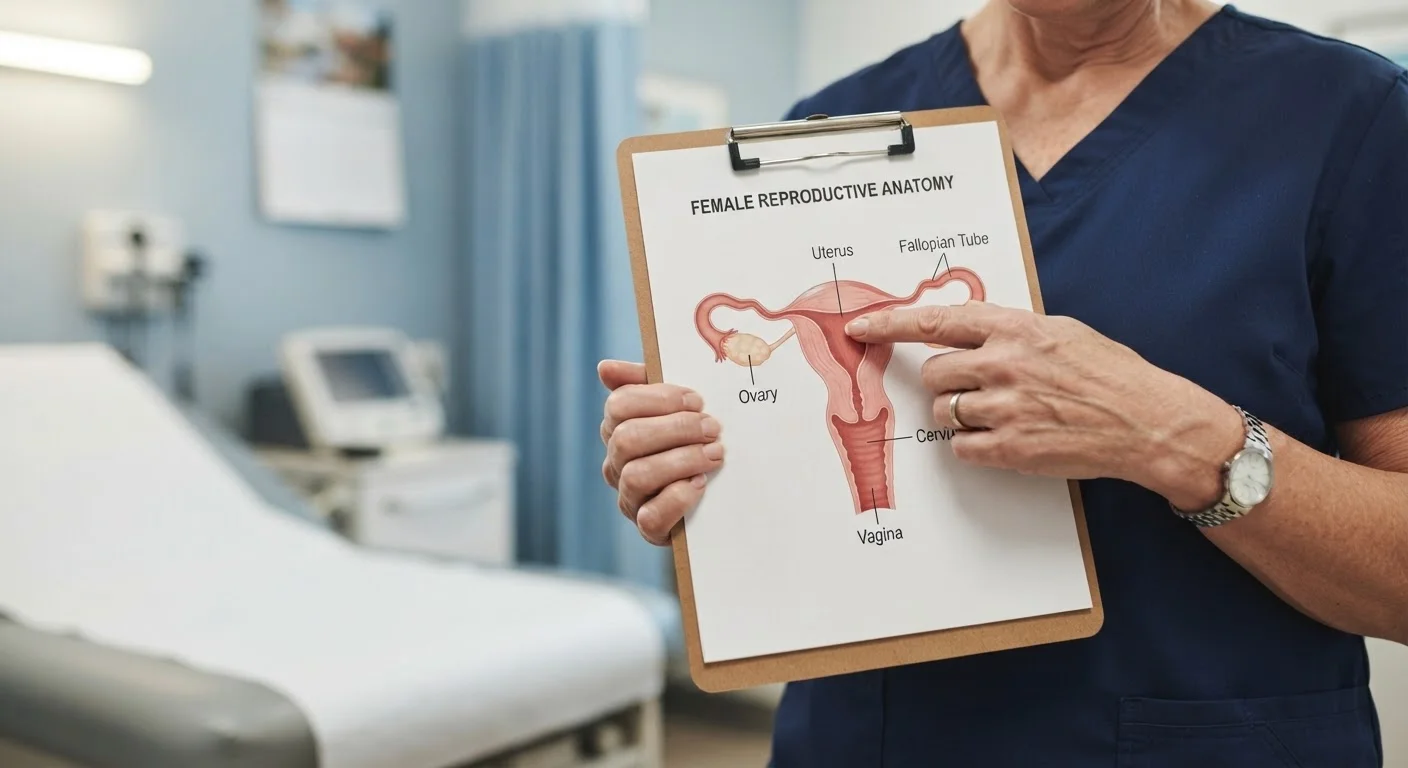
At its core, PCOS involves a disruption in the normal hormonal signaling that governs the menstrual cycle and ovulation. The ovaries may produce higher-than-normal levels of androgens (often called "male hormones," though present in all women), which can interfere with regular egg development and release. Understanding how this fits into broader hormonal patterns is helpful — see our guide on hormonal health across a woman's lifetime for context.
The term "polycystic" refers to the appearance of multiple small follicles on the ovaries visible on ultrasound — though, importantly, these are not true cysts and their presence alone does not confirm a diagnosis.
Androgens
A group of hormones — including testosterone — present in all people but typically at lower levels in women. In PCOS, the ovaries may produce excess androgens, contributing to symptoms like acne and excess hair growth.
Anovulation
The absence of ovulation in a menstrual cycle. In PCOS, disrupted hormone signals can prevent the ovary from releasing an egg, leading to irregular or missed periods.
Insulin resistance
A condition in which the body's cells respond less effectively to insulin, causing the pancreas to produce more of it. Elevated insulin levels can worsen androgen production in PCOS.
Rotterdam Criteria
The internationally recognized diagnostic framework for PCOS, requiring at least two of three features: irregular ovulation, elevated androgens, or polycystic ovaries on ultrasound.
Follicle
A small fluid-filled sac in the ovary that contains a developing egg. In PCOS, follicles may fail to mature properly, leading to the characteristic appearance of multiple small follicles on ultrasound.
Hirsutism
Excess hair growth in areas where women typically have little hair, such as the face, chest, or back. It is a common sign of elevated androgens and frequently associated with PCOS.
Recognizing the Symptoms
PCOS presents differently from person to person, which is one reason it can take time to identify. Common features include:
- Irregular or absent periods: Cycles that are longer than 35 days, fewer than eight per year, or unpredictable are a hallmark sign.
- Signs of elevated androgens: These may include excess facial or body hair (hirsutism), acne, and, in some cases, male-pattern hair thinning on the scalp.
- Weight changes: Many — though not all — women with PCOS carry excess weight, particularly around the abdomen, linked to insulin resistance.
- Difficulty conceiving: Irregular ovulation directly affects fertility.
- Mood changes: Anxiety and depression are reported at higher rates among people with PCOS, though the relationship is not fully understood.
Because several of these features overlap with other conditions, symptoms alone are not sufficient for diagnosis. Our article on PCOS and hormonal disruption explores common misconceptions that can delay care.
How PCOS Is Diagnosed
There is no single definitive test for PCOS. The most widely accepted framework is the Rotterdam criteria, which requires at least two of the following three features:
- Irregular or absent ovulation (evidenced by irregular periods)
- Clinical or biochemical signs of elevated androgens
- Polycystic ovary appearance on ultrasound
A healthcare provider will also conduct blood tests to assess hormone levels — including luteinizing hormone (LH), follicle-stimulating hormone (FSH), and testosterone — as well as thyroid function and fasting glucose to rule out other conditions that mimic PCOS.
Prepare for Your Diagnostic Appointment
Before seeing a provider, track your menstrual cycles for at least two to three months, noting cycle length, flow, and any skipped periods. Bring a record of symptoms — including skin changes, weight shifts, and mood — as this history helps clinicians apply diagnostic criteria more accurately.
Reproductive health screenings play an important role in identifying PCOS early. Our overview of reproductive health screenings every adult woman should understand explains what these assessments involve and how to discuss them with your provider.
PCOS, Fertility, and Long-Term Health
PCOS is one of the most common causes of anovulatory infertility — infertility resulting from failure to ovulate regularly. However, this does not mean conception is impossible. Many women with PCOS conceive with targeted support, including ovulation induction therapies, which a reproductive specialist can discuss based on individual circumstances.
Beyond fertility, PCOS carries meaningful long-term health implications that warrant ongoing monitoring:
- Insulin resistance and type 2 diabetes: Up to 70% of women with PCOS have some degree of insulin resistance, significantly raising the risk of developing type 2 diabetes.
- Cardiovascular risk: Elevated androgens and metabolic changes associated with PCOS are linked to higher rates of hypertension and dyslipidemia.
- Endometrial health: Infrequent ovulation means the uterine lining may not shed regularly, which over time can increase risk of endometrial hyperplasia.
It is worth noting that endometriosis — another hormonally influenced reproductive condition — can co-occur with PCOS, though the two are distinct. Our article on endometriosis and hormones explains the differences and overlaps.
Managing PCOS: What the Evidence Supports
While PCOS has no cure, evidence-based management can significantly improve symptoms and reduce health risks. Approaches vary depending on an individual's primary concerns — such as cycle regulation, fertility, metabolic health, or skin and hair changes.
Clinically recognized management strategies include:
- Lifestyle modifications: Even modest improvements in physical activity and dietary patterns have been shown to improve insulin sensitivity, hormone levels, and menstrual regularity in women with PCOS. These are generally considered first-line approaches for those with metabolic features.
- Hormonal therapies: Combined hormonal contraceptives are commonly used to regulate cycles and reduce androgen-related symptoms when pregnancy is not the immediate goal.
- Insulin-sensitizing medications: Certain medications used in type 2 diabetes management have evidence supporting their use in PCOS for metabolic and, in some cases, ovulatory benefits. A provider will assess suitability for an individual patient.
- Fertility-focused treatments: Ovulation induction and other reproductive interventions are available for those trying to conceive.
Do Not Self-Diagnose or Self-Treat PCOS
PCOS shares symptoms with several other hormonal and metabolic conditions, including thyroid disorders and hyperprolactinemia. Self-diagnosing based on symptoms alone — or starting supplements or medications without medical supervision — can delay the correct diagnosis and appropriate care. Always seek evaluation from a qualified healthcare provider.
Understanding the role of hormones like estrogen and progesterone in PCOS can help readers ask more informed questions at clinical appointments.
This article is for general informational and educational purposes only and does not constitute medical advice. Always consult a qualified healthcare professional for personal diagnosis, treatment decisions, or if you have concerns about your health.