

Key Takeaways
- A single glucose reading is a snapshot, not a full diagnosis — context and trends matter.
- Standard fasting glucose targets for non-pregnant adults are generally below 100 mg/dL.
- Many factors beyond diet — stress, illness, and timing — influence individual readings.
- Readings outside your target range should prompt a call to your healthcare provider, not self-treatment.
- Meter accuracy depends heavily on correct technique and properly stored test strips.
Blood Glucose Reading
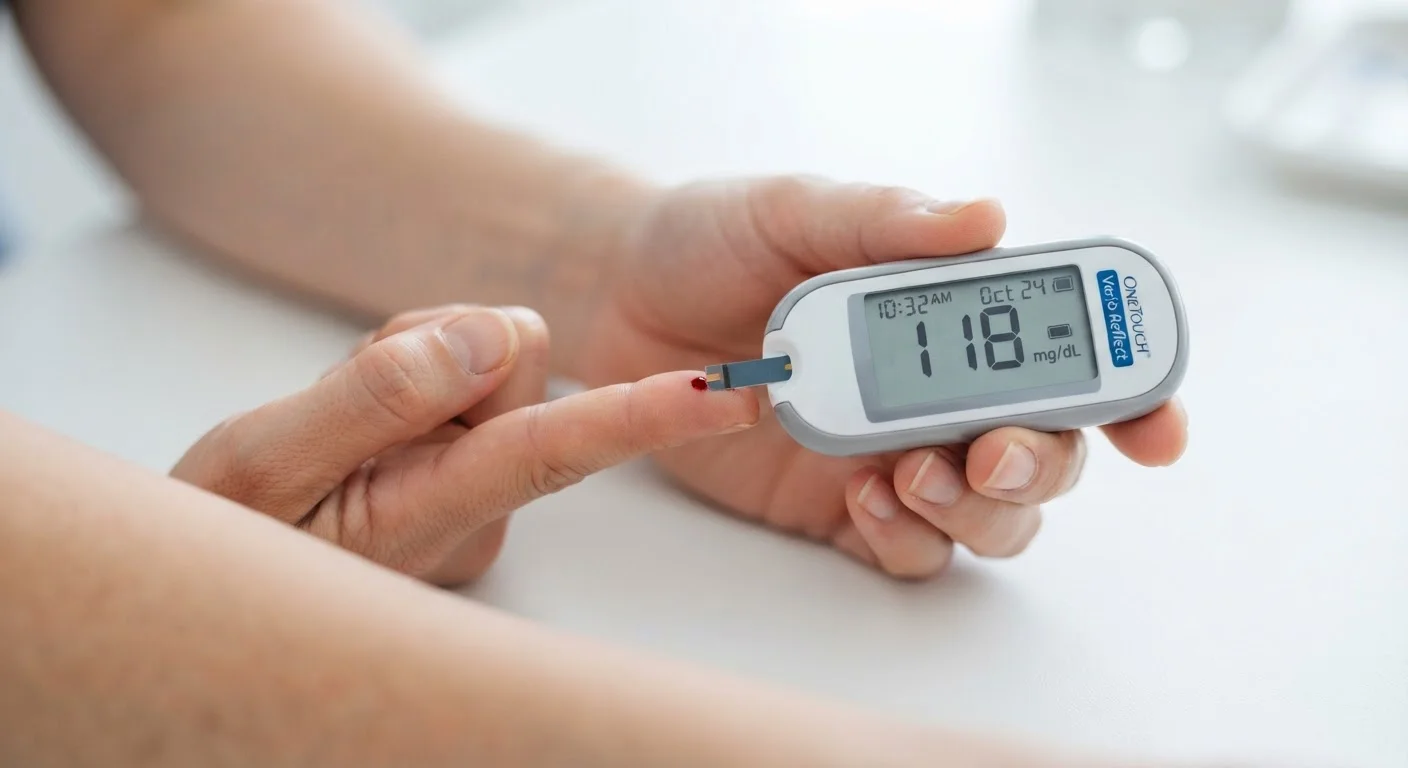
A blood glucose reading is a measurement of how much sugar (glucose) is currently circulating in your bloodstream, expressed in milligrams per deciliter (mg/dL) in the United States. Home glucometers produce this number by analyzing a small drop of blood applied to a test strip. The result gives a snapshot of your glucose level at a single moment in time — not a complete picture of daily control.
Clinical reference ranges are typically established using venous plasma samples; home meters use capillary whole blood, which can produce readings 10–15% lower than lab values under some conditions.
What the Numbers on Your Meter Actually Mean
When your glucose meter displays a number, it is reporting milligrams of glucose per deciliter of blood (mg/dL). In the United States, clinical guidelines from organizations such as the American Diabetes Association use these approximate reference points for fasting readings — taken after at least eight hours without food or caloric beverages:
- Below 100 mg/dL: Normal range for most non-pregnant adults
- 100–125 mg/dL: Consistent with prediabetes (impaired fasting glucose)
- 126 mg/dL or above on two separate occasions: May indicate diabetes
Postprandial (after-meal) readings behave differently. Glucose naturally rises after eating and should return toward baseline within two hours. A reading below 140 mg/dL at the two-hour mark is generally considered within range for most adults, though your provider may set a more specific target based on your individual situation.
It is important to recognize that these are population-level reference values — not personalized prescriptions. If you are already managing diabetes, your care team will establish individualized targets that may differ from general guidelines.
Units Outside the U.S. Differ
Many countries report blood glucose in millimoles per liter (mmol/L) rather than mg/dL. To convert: divide a mg/dL value by 18 to get mmol/L. If you are using a monitor purchased abroad or reading international health content, check the unit displayed — a reading of 7.0 mmol/L is approximately 126 mg/dL.
Factors That Shift a Reading Before You Even Test
Many people are surprised to find that two identical meals can produce notably different glucose readings on different days. That variability is real, and it has identifiable causes:
- Stress: Cortisol and adrenaline prompt the liver to release stored glucose, raising blood sugar even without eating.
- Illness: Infections trigger inflammatory hormones that increase glucose production.
- Physical activity: Exercise generally lowers glucose during and after activity, but intense short bursts can cause a temporary spike.
- Sleep quality: Poor sleep is associated with reduced insulin sensitivity the following day.
- Meal composition: Fat and protein slow gastric emptying, shifting the peak glucose rise later in time.
Technique also matters. Squeezing the fingertip too hard can dilute the blood sample with tissue fluid, potentially lowering the reading. Cold hands can affect circulation and sample quality. For a fuller look at how to minimize technique errors, see our home monitor accuracy checklist.
~37 million
Americans living with diabetes
According to the CDC's National Diabetes Statistics Report, approximately 37 million Americans have diabetes, highlighting the widespread use of home glucose monitoring.
96 million
U.S. adults with prediabetes
The CDC estimates that over 96 million American adults have prediabetes, the majority of whom are unaware of their status.
±15%
Allowable meter error under FDA standards
FDA guidance for cleared home glucose monitors allows readings to fall within ±15% of a laboratory reference value, meaning small deviations are within specification.
Reading Trends, Not Just Single Numbers
A single glucose value has limited clinical meaning without context. What healthcare providers typically look for — and what you should track — is the pattern across multiple readings over days and weeks. Logging your readings alongside notes about meals, activity, and stress creates a far more useful data set than any one number.
Many care teams also use a laboratory test called HbA1c (glycated hemoglobin), which reflects average glucose control over roughly two to three months. Your home meter and your HbA1c result complement each other: the meter catches real-time fluctuations, while HbA1c provides the long-view average. Home meters cannot replicate an HbA1c measurement.
If you are evaluating whether a traditional glucometer or a continuous glucose monitor (CGM) better suits your monitoring needs, our comparison of CGMs and finger-prick glucometers covers the practical trade-offs in detail.
For families monitoring children or older adults, glucose targets and testing considerations can differ significantly — a topic covered in depth in our guide to glucose monitoring across age groups.
When a Reading Calls for Medical Attention
Your home glucose monitor is an informational tool — it is not designed to guide self-treatment decisions. Certain readings, however, should prompt timely contact with a healthcare professional:
- Consistent fasting readings above your prescribed target for several consecutive days
- Readings above 240 mg/dL accompanied by symptoms such as nausea, vomiting, or fruity-smelling breath (possible signs of diabetic ketoacidosis — seek emergency care)
- Readings below 70 mg/dL, particularly with symptoms of hypoglycemia: shakiness, sweating, confusion, or heart palpitations
- A sudden unexplained shift in your typical glucose pattern without an obvious cause
If you are newly diagnosed or recently started a new medication, your provider will likely want you to communicate readings more frequently until a stable pattern is established.
This article is for general informational purposes only and does not constitute medical advice. Always consult a qualified healthcare provider for guidance specific to your health situation, including any decisions about glucose monitoring or diabetes management.