
Glucose Monitoring in Children and Older Adults: Key Differences to Understand

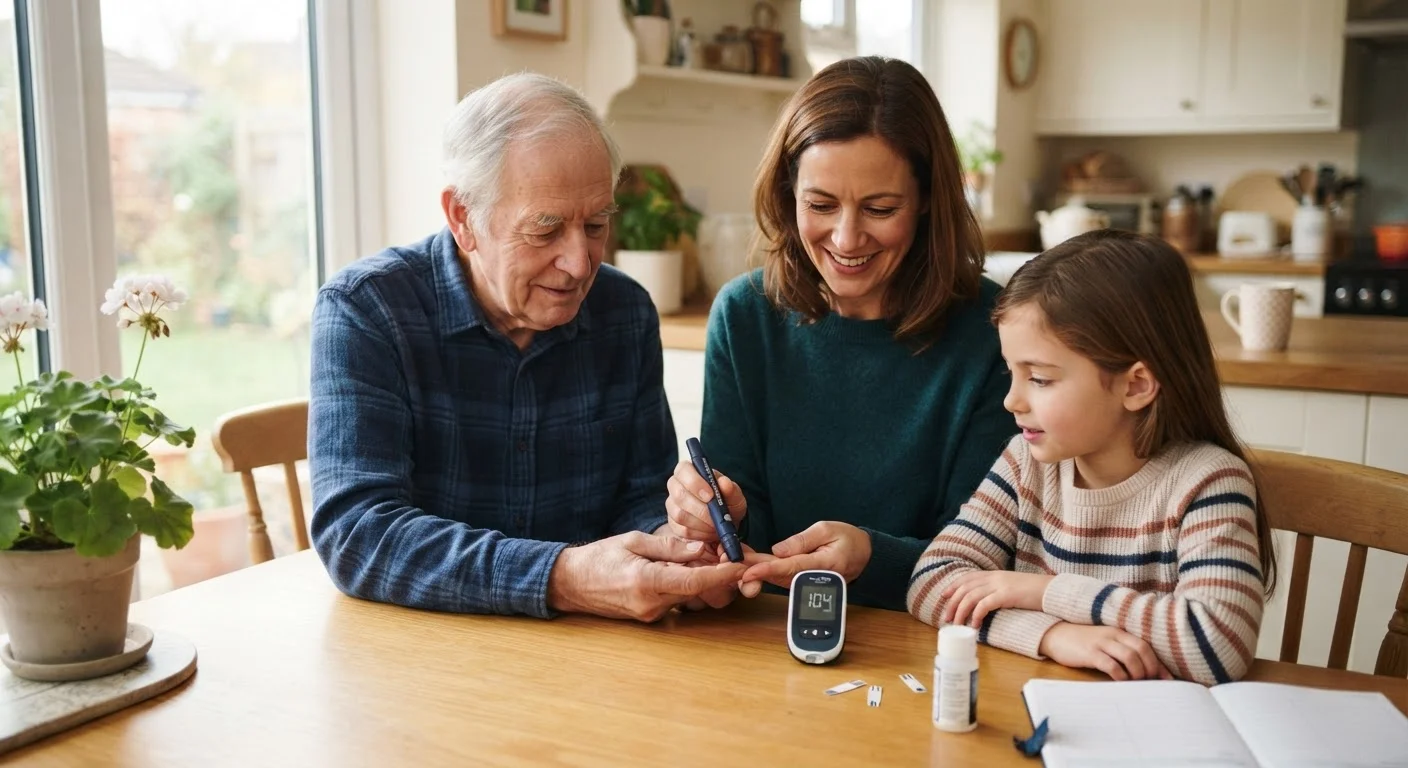
| Primary device types | Finger-prick glucometers and continuous glucose monitors (CGMs) |
| U.S. glucose measurement unit | mg/dL (milligrams per deciliter) |
| Who sets individual target ranges | A qualified healthcare provider, based on age and health status (American Diabetes Association Standards of Care) |
| CGM sensor wear site (children) | Abdomen or upper arm — placement guided by provider and device labeling |
| Hypoglycemia unawareness prevalence | More common in older adults and long-standing diabetes patients (Endocrine Society clinical practice guidelines) |
| Caregiver involvement | Essential for young children; strongly recommended for cognitively impaired older adults |
Why Age Changes the Monitoring Picture
Glucose monitoring is not a single, uniform practice. The same reading that represents good control in a middle-aged adult may fall outside the appropriate range for a seven-year-old or a 78-year-old. Physiology, hypoglycemia risk, cognitive ability, and caregiver dynamics all shift with age — and they all affect how monitoring should be approached.
Families caring for a child or older adult with diabetes benefit from understanding these differences so they can ask informed questions and recognize when something needs prompt attention. For a broader look at how home diagnostic tools vary across life stages, see At-Home Diagnostic Tools Across the Lifespan.
| Primary device types | Finger-prick glucometers and continuous glucose monitors (CGMs) |
| U.S. glucose measurement unit | mg/dL (milligrams per deciliter) |
| Who sets individual target ranges | A qualified healthcare provider, based on age and health status (American Diabetes Association Standards of Care) |
| CGM sensor wear site (children) | Abdomen or upper arm — placement guided by provider and device labeling |
| Hypoglycemia unawareness prevalence | More common in older adults and long-standing diabetes patients (Endocrine Society clinical practice guidelines) |
| Caregiver involvement | Essential for young children; strongly recommended for cognitively impaired older adults |
Glucose Monitoring in Children: Key Considerations
Children with type 1 diabetes — and some with type 2 — typically require more frequent monitoring than adults because their glucose levels can shift rapidly. Smaller body size, irregular eating patterns, physical activity, and growth all influence blood sugar in ways that are less predictable than in adults.
Target Ranges Differ from Adults
Healthcare providers generally set somewhat higher lower-bound glucose targets for young children to reduce the risk of hypoglycemia. Because young children may not reliably recognize or communicate low blood sugar symptoms, the margin of safety is adjusted accordingly. Specific numeric targets are always set by the child's care team.
Device Placement and Usability
Continuous glucose monitors (CGMs) are increasingly used in pediatric diabetes care. Sensor placement must follow device labeling and provider guidance — approved sites can differ from those used in adults. Families should also account for school settings: caregivers, teachers, and school nurses often need to be trained to respond to alerts. For an overview of CGM versus finger-prick options, see CGMs vs. Finger-Prick Glucometers.
Caregiver Role
Younger children depend entirely on caregivers for monitoring. As children move into adolescence, a gradual transfer of responsibility is common — but adult supervision typically remains important well into the teenage years.
This Article Is General Health Education
The information here describes how glucose monitoring differs by age group at a general level. It is not a substitute for personalized medical guidance. Always consult a qualified healthcare provider to establish target ranges, choose a monitoring device, and create a monitoring schedule appropriate for your child or older family member.
Glucose Monitoring in Older Adults: Key Considerations
Older adults present a different set of challenges. Decades of diabetes, multiple medications, reduced kidney function, and cognitive changes can all alter how blood glucose behaves and how safely it can be managed.
~304,000
U.S. children under 20 with type 1 diabetes
According to CDC national diabetes statistics, millions of families manage pediatric glucose monitoring at home.
~29%
U.S. adults aged 65+ with diagnosed or undiagnosed diabetes
The CDC's National Diabetes Statistics Report highlights older adults as one of the highest-prevalence groups requiring careful monitoring.
Less Aggressive Targets May Be Appropriate
Clinical guidelines from organizations such as the American Diabetes Association recognize that for some older adults — particularly those with multiple chronic conditions, limited life expectancy, or cognitive impairment — overly tight glucose control may increase the risk of dangerous hypoglycemia without meaningful benefit. A healthcare provider weighs these factors when setting individualized targets.
Hypoglycemia Unawareness
Older adults are more likely to experience hypoglycemia unawareness, meaning the body's typical warning signals (shakiness, sweating, hunger) are blunted or absent. This makes CGM technology and regular scheduled checks particularly valuable, since the person may not feel a low glucose event until it becomes severe.
Physical and Cognitive Factors
Arthritis, reduced grip strength, or vision impairment can make finger-prick testing physically difficult. Cognitive changes may affect the ability to follow a consistent testing routine or interpret results accurately. Caregiver involvement — from a family member or home health aide — often becomes an important part of safe monitoring. See Setting Up a Home Glucose Monitor for the First Time for practical setup guidance that caregivers can apply.
What Families Should Discuss with a Healthcare Provider
Whether you're managing diabetes in a child or supporting an older family member, these questions can guide a productive conversation with their care team:
Blood glucose
The amount of sugar (glucose) circulating in the bloodstream, measured in milligrams per deciliter (mg/dL) in the United States. Glucose is the body's primary energy source, and keeping it within a target range is central to diabetes management.
Hypoglycemia
A condition where blood glucose drops below the normal range. Symptoms can include shakiness, confusion, sweating, and in severe cases, loss of consciousness. Recognizing and treating hypoglycemia quickly is especially critical in children and older adults.
Continuous Glucose Monitor (CGM)
A wearable sensor placed under the skin that measures interstitial glucose levels automatically at frequent intervals throughout the day and night. CGMs transmit readings to a receiver or smartphone app and can trigger alerts for out-of-range values.
Glucometer
A handheld device that measures blood glucose from a small fingertip blood sample applied to a disposable test strip. Also called a finger-prick glucometer or blood glucose meter.
Target range
The blood glucose range established by a healthcare provider as appropriate for a specific patient. Target ranges differ by age, health status, and individual risk factors — they are not one-size-fits-all.
Hypoglycemia unawareness
A condition, more common in older adults and people with long-standing diabetes, where the normal warning symptoms of low blood sugar are reduced or absent, making glucose monitoring especially important.
- What is the specific target glucose range for this person? Do not assume adult reference values apply.
- Which monitoring device is most appropriate? CGMs and glucometers each have distinct advantages depending on age, lifestyle, and insurance coverage. Comparing these device types in more detail can prepare you for that discussion.
- How often should monitoring occur? Frequency recommendations vary widely by age, insulin regimen, and glucose stability.
- What are the signs of hypoglycemia to watch for in this age group? Symptoms differ between young children and older adults.
- Who else needs to be trained? School staff, family members, or home aides may all need to understand the monitoring routine and emergency response steps.
Understanding how to read glucose results accurately is also an essential skill for any caregiver involved in day-to-day monitoring.
This article is for general informational purposes only and does not constitute medical advice. Always consult a qualified healthcare provider for guidance tailored to your child's or older family member's specific health needs.