

Key Takeaways
- Pulse oximeters estimate blood oxygen using light, making them vulnerable to interference from skin tone, nail polish, and motion.
- Darker skin tones have been associated with higher rates of oximeter inaccuracy, a clinically documented concern.
- Poor circulation, cold fingers, and certain medical conditions can produce falsely high or low readings.
- A single SpO2 number rarely tells the full story — trends and clinical context matter more.
- Always consult a healthcare professional if you have concerns about your or a family member's oxygen levels.
Non-invasive and painless to use at home
Pulse oximeters require no needles, blood draws, or technical training, making them practical for routine home monitoring across all age groups.
Provides near-instant SpO2 and pulse rate readings
Most devices display results within seconds, allowing families to track changes quickly during acute illness or during activity in people with respiratory conditions.
Useful for trend monitoring over time
When measurements are taken consistently under similar conditions, a series of readings can reveal gradual changes that warrant clinical attention, which a single snapshot cannot show.
Supports remote care and telehealth consultations
Sharing recorded SpO2 trends with a clinician during a telehealth visit can give the provider useful supplementary data, particularly for patients managing chronic lung or heart conditions.
Less accurate in people with darker skin tones
Peer-reviewed research has documented significantly higher rates of undetected low oxygen levels in patients with darker skin, a limitation that standard consumer oximeters have not fully addressed.
Cannot detect carbon monoxide poisoning
Standard two-wavelength devices read carboxyhemoglobin as oxygenated hemoglobin, producing falsely normal readings in a potentially life-threatening situation.
Movement and cold hands degrade signal quality
Motion artifact and reduced peripheral circulation both compromise the light-based signal, leading to unreliable readings that can mislead rather than inform.
Nail polish and artificial nails interfere with readings
Dark or opaque nail coatings absorb or scatter the device's light wavelengths, causing inaccurate SpO2 estimates that may appear normal when they are not.
Normal reading does not rule out serious illness
Conditions such as severe anemia or early carbon monoxide exposure can produce clinical hypoxia despite a reassuringly normal SpO2 display, creating a false sense of security.
Our Verdict
Pulse oximeters offer genuine value as a first-alert monitoring tool and can help families track trends over time. However, their accuracy is affected by factors many users are unaware of, including skin pigmentation, peripheral circulation, and probe placement. Understanding these limitations makes you a more informed user, not a more anxious one.
Pulse oximeters are most useful for people managing chronic respiratory or cardiac conditions under medical supervision, or for caregivers who want a general trend-monitoring tool and understand that readings require clinical context.
How Pulse Oximeters Work — and Where That Creates Risk
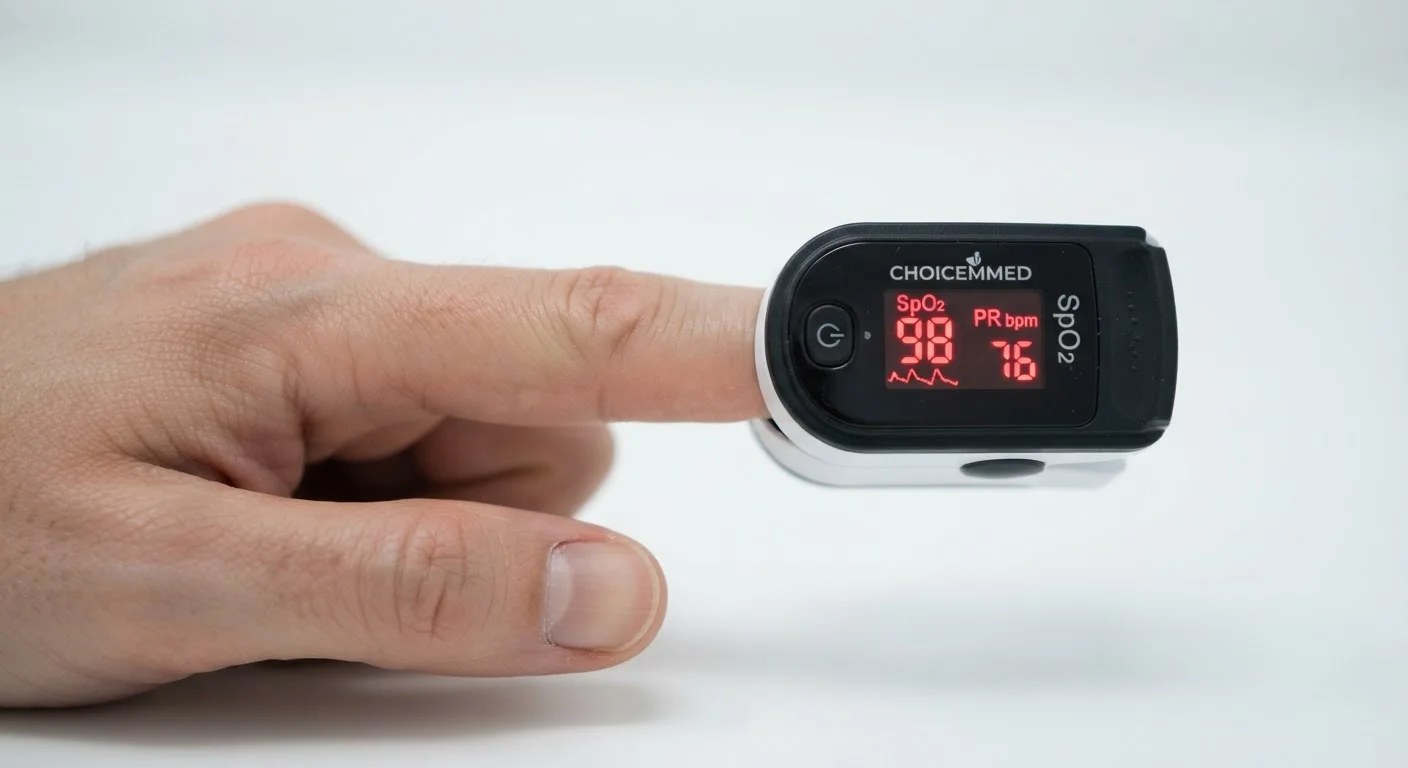
A pulse oximeter estimates blood oxygen saturation (SpO2) by shining two wavelengths of light — red and infrared — through the tissue of a fingertip. Oxygenated and deoxygenated hemoglobin absorb these wavelengths differently, and the device calculates an estimate from the ratio. For a deeper look at the underlying science, see our guide to how pulse oximeters work.
Because the method relies on light passing through living tissue, anything that alters how light is absorbed or scattered introduces potential error. The device is making an inference, not a direct measurement — and that distinction matters when families are using readings to make health decisions.
Non-invasive and painless to use at home
Pulse oximeters require no needles, blood draws, or technical training, making them practical for routine home monitoring across all age groups.
Provides near-instant SpO2 and pulse rate readings
Most devices display results within seconds, allowing families to track changes quickly during acute illness or during activity in people with respiratory conditions.
Useful for trend monitoring over time
When measurements are taken consistently under similar conditions, a series of readings can reveal gradual changes that warrant clinical attention, which a single snapshot cannot show.
Supports remote care and telehealth consultations
Sharing recorded SpO2 trends with a clinician during a telehealth visit can give the provider useful supplementary data, particularly for patients managing chronic lung or heart conditions.
Documented Limitations You Should Know
Clinical research and regulatory reviews have identified several consistent sources of inaccuracy:
Skin Pigmentation
Studies — including a widely cited 2020 analysis published in the New England Journal of Medicine — found that pulse oximeters were significantly more likely to miss low oxygen levels (hypoxemia) in patients with darker skin tones compared to patients with lighter skin. The devices were largely calibrated on populations with lighter skin, creating a systemic gap. This is an active area of regulatory attention from the U.S. Food and Drug Administration (FDA).
Nail Polish and Artificial Nails
Dark or opaque nail polish — particularly blue, black, and green shades — can interfere with light transmission and skew readings. Acrylic or gel nails add an additional physical barrier. Removing polish from the test finger or using a different finger or earlobe probe can reduce this interference.
Motion and Shivering
Movement generates artifact signals the sensor may misread as pulsatile blood flow. Readings taken while a person is moving, shivering, or trembling are inherently less reliable. Most devices display a signal-quality indicator — a weak or erratic waveform suggests the reading should be repeated at rest.
Poor Peripheral Circulation
Conditions that reduce blood flow to the fingertips — including Raynaud's disease, shock, hypothermia, and severe hypotension — limit the signal the sensor can detect. Cold hands alone can reduce reading reliability. Warming the hand and ensuring good probe contact can help, but clinical assessment remains necessary when circulation is compromised.
Less accurate in people with darker skin tones
Peer-reviewed research has documented significantly higher rates of undetected low oxygen levels in patients with darker skin, a limitation that standard consumer oximeters have not fully addressed.
Cannot detect carbon monoxide poisoning
Standard two-wavelength devices read carboxyhemoglobin as oxygenated hemoglobin, producing falsely normal readings in a potentially life-threatening situation.
Movement and cold hands degrade signal quality
Motion artifact and reduced peripheral circulation both compromise the light-based signal, leading to unreliable readings that can mislead rather than inform.
Nail polish and artificial nails interfere with readings
Dark or opaque nail coatings absorb or scatter the device's light wavelengths, causing inaccurate SpO2 estimates that may appear normal when they are not.
Normal reading does not rule out serious illness
Conditions such as severe anemia or early carbon monoxide exposure can produce clinical hypoxia despite a reassuringly normal SpO2 display, creating a false sense of security.
Other Factors That Reduce Reliability
Beyond the major limitations above, several additional factors deserve attention:
- Carbon monoxide poisoning: Carboxyhemoglobin (hemoglobin bound to carbon monoxide) absorbs light similarly to oxygenated hemoglobin. A standard pulse oximeter will display a falsely normal or elevated SpO2 even when the blood is carrying a dangerous level of carbon monoxide.
- Anemia: In people with severely low hemoglobin levels, an oximeter may read normal saturation while the blood is actually delivering far less oxygen to tissues than needed.
- Device quality and calibration: Consumer-grade devices vary in precision. Medical-grade devices validated against arterial blood gas measurements are held to stricter accuracy standards. Our home monitor accuracy checklist covers key verification steps for any home monitoring device.
3×
Higher odds of missed hypoxemia in darker skin tones
A 2020 study in the New England Journal of Medicine found patients with darker skin were approximately three times more likely to have occult hypoxemia undetected by pulse oximetry.
±2–3%
Typical accuracy margin for cleared consumer devices
FDA guidance indicates most cleared pulse oximeters are accurate within approximately 2–3 percentage points under ideal conditions, a range that matters clinically near low-normal thresholds.
Understanding what a single reading cannot tell you is equally important. Trends measured consistently, under similar conditions, provide far more clinical signal than any isolated number. For more on this, see what a single oxygen reading cannot tell you.
Using a Pulse Oximeter Responsibly at Home
None of these limitations mean pulse oximeters are without value. When used correctly and interpreted in context, they can support — though never replace — professional clinical assessment.
Practical steps to improve reading quality include: sitting still and warm before measuring, using the middle or index finger, confirming the signal-quality indicator shows a strong waveform, removing nail polish if present, and taking multiple readings and noting the trend rather than acting on a single number.
Families managing chronic conditions such as COPD, asthma, or heart failure should discuss target SpO2 ranges and response thresholds with their healthcare team rather than applying general reference values found online. Special consideration applies to children, elderly individuals, and people with pre-existing circulatory conditions — always seek professional guidance for these groups.
This article provides general health information and is not a substitute for professional medical advice, diagnosis, or treatment. If you are concerned about oxygen levels or breathing for yourself or a family member, contact a qualified healthcare professional promptly.