
Misreading Device Instructions: Errors That Reduce Therapeutic Device Effectiveness

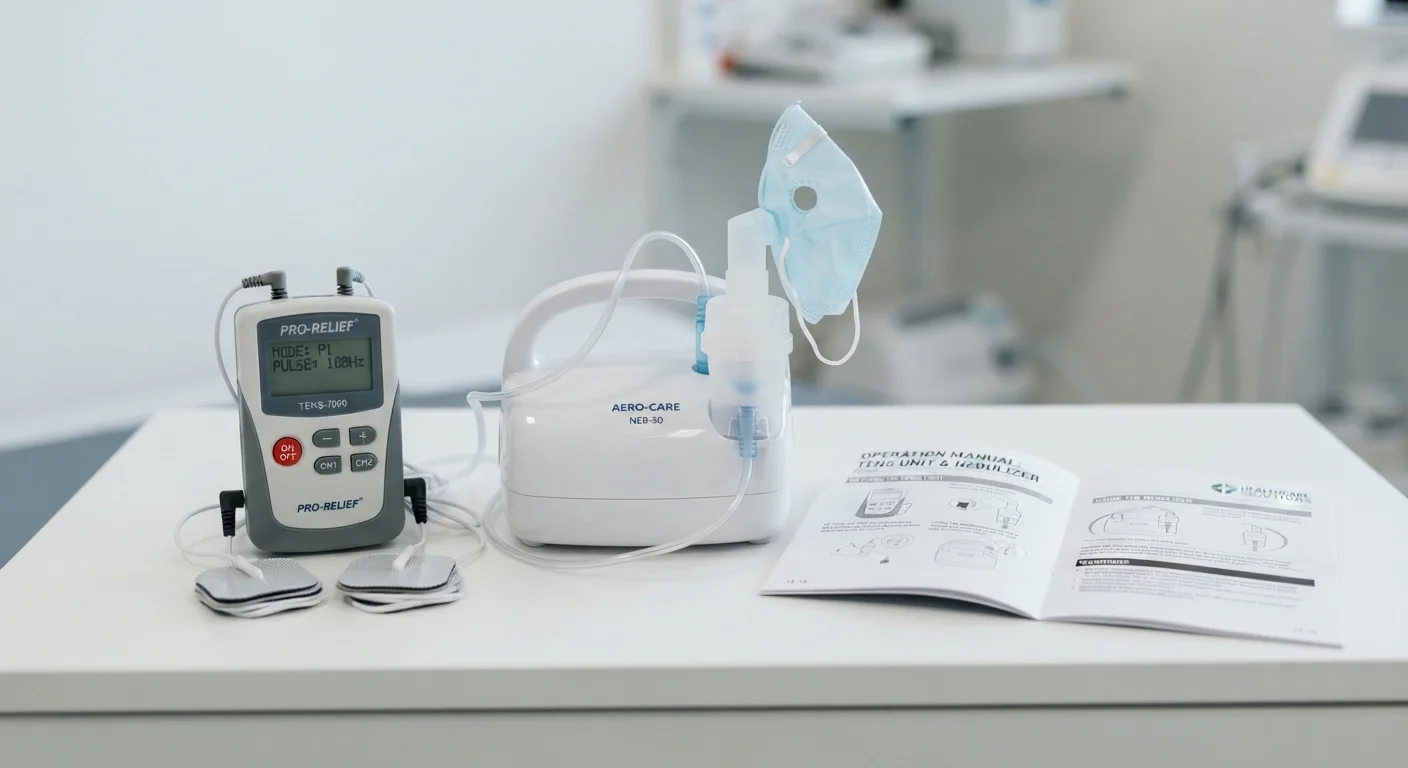
Key Takeaways
- Incorrect electrode placement can reduce TENS effectiveness and potentially cause skin irritation or discomfort.
- Skipping prescribed cleaning routines for devices like nebulizers can introduce harmful bacteria or compromise medication delivery.
- Device settings chosen without clinician guidance may fall outside the therapeutic range intended for your condition.
- Older adults and special populations face heightened risks from device misuse — always involve a healthcare provider.
- Understanding your device's user manual thoroughly before first use can prevent the most common and consequential errors.
Why Instruction Errors Are More Common Than You'd Expect
Home therapeutic devices — including transcutaneous electrical nerve stimulation (TENS) units, nebulizers, and compression therapy devices — offer real clinical benefits when used correctly. But the gap between correct and incorrect use is often narrower than families realize, and the consequences of misuse range from reduced therapeutic benefit to genuine safety risks.
Research consistently shows that many device users do not read instruction manuals fully before first use, or reference them only when something goes wrong. Combined with the fact that healthcare providers have limited time to demonstrate device use during appointments, this creates conditions where well-intentioned families can develop incorrect habits that persist for months.
Understanding where errors most commonly occur — and why — is the first step toward safer, more effective home therapy. If you are new to any home device, our guide on what to ask your doctor about home therapeutic devices is a practical starting point.
Placing TENS electrodes in incorrect or contraindicated locations on the body.
Why it happens: Many users assume any painful area is a valid target for electrode placement, without checking manufacturer guidelines or clinician instructions.
Setting intensity levels too high in an attempt to speed up relief.
Why it happens: Users often equate stronger sensation with faster or better results, leading them to increase intensity beyond recommended settings.
Skipping or shortening nebulizer cleaning steps between treatments.
Why it happens: Cleaning protocols can feel time-consuming, and users may not fully appreciate how quickly moisture-exposed components can harbor bacteria or mold.
Mixing or loading nebulizer medication incorrectly, including using the wrong diluent or incorrect volumes.
Why it happens: Medication preparation steps are easy to misread under stress or fatigue, and some users assume more medication delivers a stronger effect.
Failing to replace consumable components — such as TENS electrode pads or nebulizer filters — on schedule.
Why it happens: Consumables degrade gradually, so users may not notice reduced performance until effectiveness is significantly compromised.
Keeping Errors in Check Over the Long Term
Many device errors are not one-time oversights — they become habits. A user who skips a cleaning step once and experiences no obvious consequence may skip it routinely. The same pattern applies to electrode placement shortcuts and intensity settings that drift upward over time.
These Devices Are Not Risk-Free
Home therapeutic devices such as TENS units and nebulizers are generally considered safe when used correctly, but misuse can cause real harm — from skin burns and respiratory exposure to contaminated medication aerosols. This article provides general educational information only, not medical advice. Always consult your healthcare provider before starting, adjusting, or stopping any home therapy.
Periodic self-audits are a practical countermeasure. Set a monthly reminder to re-read the key sections of your device manual, inspect all components, and confirm your technique against the original instructions. Families caring for older adults should be especially attentive, as physical or cognitive changes can affect a user's ability to follow multi-step device protocols safely — a topic explored in our article on therapeutic devices for older adults.
Home therapeutic devices operate very differently from diagnostic tools used at home, but both categories share one foundational requirement: consistent, informed technique. If you are ever uncertain about whether you are using a device correctly, stop and consult your healthcare provider before continuing. No therapeutic benefit justifies operating a device outside its intended parameters.
This article is for general informational purposes only and does not constitute medical advice. Always consult a qualified healthcare professional before starting, adjusting, or stopping any home therapy or device use.