

Key Takeaways
- Always confirm with your doctor whether a specific therapeutic device is appropriate for your condition before use.
- Ask about contraindications — certain devices are unsafe for people with pacemakers, pregnancy, or open wounds.
- Clarify correct usage parameters, including session duration and frequency, to avoid overuse or underuse.
- Request written instructions or a referral to a trained therapist to establish proper technique.
- Discuss how you will track progress and when to return if symptoms don't improve or worsen.
What you will need
Why This Conversation Matters Before You Start
Home therapeutic devices — including TENS units, nebulizers, ultrasound therapy tools, and compression devices — are increasingly accessible to families without a prescription. Accessibility, however, is not the same as universal safety. Whether a device has been recommended by a specialist or discovered independently, speaking with a qualified healthcare provider before use is a critical step that many people skip.
Therapeutic devices work by influencing physiological processes: electrical stimulation, airway drug delivery, tissue-level vibration, or circulatory compression. Used correctly, they can meaningfully support recovery and symptom management at home. Used incorrectly — at the wrong intensity, on the wrong condition, or by someone with a contraindicated health history — they can delay care or cause harm.
For a broader overview of what these devices are and how they function, see our Home Therapeutic Devices: A Family Reference Guide. This article focuses on the specific questions worth raising with your doctor or nurse practitioner before you begin.
What you will need
Questions to Raise and Steps to Follow
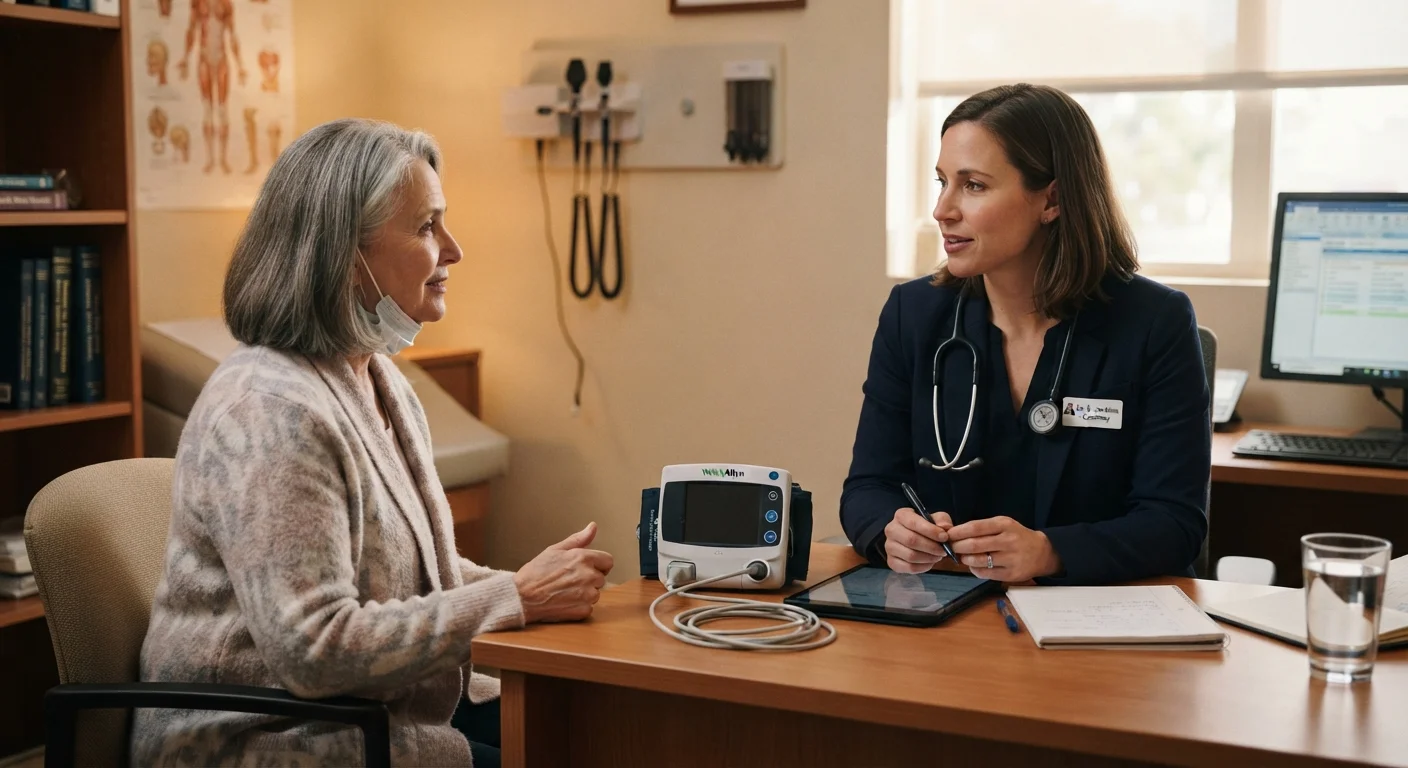
The steps below walk you through how to structure a productive clinical conversation. Prepare your questions in advance and bring any device documentation — packaging, manuals, or model numbers — to the appointment.
State your intent clearly at the start of the appointment
Open the conversation by telling your provider exactly what you are considering and why. Name the device type and describe the symptom or condition you hope it will address. For example: "I've been reading about TENS units for lower back pain and wanted your opinion before I try one." Clarity helps your provider give relevant, targeted guidance rather than general commentary.
Ask whether the device is appropriate for your specific condition
Not every therapeutic device suits every condition. Ask directly: "Is this type of device appropriate for what I'm dealing with?" A TENS unit, for instance, may help with musculoskeletal pain but is not indicated for all pain types, and may be contraindicated altogether in some situations. Your provider can confirm whether there is clinical support for the intended use.
Ask about contraindications relevant to your health history
Some devices carry firm contraindications based on personal health factors. Common examples include:
- TENS units: Generally contraindicated for people with implanted cardiac devices (pacemakers, defibrillators), during pregnancy, or over areas of impaired sensation or open wounds.
- Ultrasound therapy devices: Typically not recommended over active growth plates in children, implanted metal hardware, or malignant tissue areas.
- Compression devices: May not be appropriate for certain circulatory or skin conditions without clinical supervision.
Ask specifically: "Are there any reasons based on my health history that I should not use this device?"
Clarify recommended usage parameters
Therapeutic devices are not a case of "more is better." Ask your provider to specify:
- How long each session should last
- How many sessions per day or week are appropriate
- What intensity or setting to start with, if adjustable
- Which body areas to target — and which to avoid
Many devices come with broad manufacturer ranges; your provider can help you identify the parameters suited to your condition and baseline health.
Ask how to recognize problems and when to stop
Understanding what a normal response looks like — and what is not normal — protects you from continuing a therapy that is not working or causing harm. Ask: "What sensations or symptoms should prompt me to stop using the device and contact you?" Common red flags include increased pain, skin irritation, breathing changes with nebulized medications, or any unexpected systemic response.
Discuss follow-up and how to assess progress
Home therapy should not happen in a clinical vacuum. Before leaving the appointment, agree on a follow-up plan: "How will we know if this is helping? When should I check back in with you?" Your provider may suggest a symptom diary, a scheduled call, or a follow-up visit at a defined interval. For recovery-focused devices, see also our guide to devices commonly used in home recovery plans for context on typical treatment timelines.
Prepare a Written Question List
Appointment time is limited, and it's easy to forget questions under pressure. Write your key questions down before you go and hand the list to your provider at the start of the visit. This signals that you are prepared and ensures nothing important is missed. Many providers welcome this approach as it makes the conversation more efficient for both parties.
After the Appointment: Staying Safe at Home
Once you have your provider's guidance in hand, keeping your device in good working order is the next priority. Faulty equipment, worn electrode pads, or unclean nebulizer components can reduce effectiveness and introduce new risks. Our device maintenance checklist covers cleaning, inspection, and replacement schedules for the most common home therapy tools.
If the device is intended for an older family member, the considerations multiply. Skin sensitivity, medication interactions, and cognitive factors all affect safe use. The article Therapeutic Devices for Older Adults outlines what carers and families should discuss specifically with a clinician in those cases.
Finally, note that therapeutic devices are distinct from diagnostic ones. If you are also using home monitors — for blood pressure, blood oxygen, or similar — our diagnostic device safety checklist addresses that separate category of home health tools.
This article is for general informational purposes only and does not constitute medical advice. Always consult a licensed healthcare professional before using any therapeutic device, particularly if you have an existing medical condition, are pregnant, or are managing care for a child or older adult.