

Key Takeaways
- Older adults face unique physiological and medication-related factors that affect how therapeutic devices should be used.
- TENS units, compression devices, and nebulizers each carry specific cautions that are especially relevant for seniors.
- Caregiver involvement and clinician oversight are essential when introducing any therapeutic device to an older adult's routine.
- Device settings appropriate for younger adults may not be appropriate for older users — always confirm with a healthcare provider.
- Skin sensitivity, pacemakers, and polypharmacy are among the key factors to flag before home device use begins.
Why Older Adults Require a Different Approach
Therapeutic devices designed for general home use are not always calibrated with older adults in mind. As people age, physiological changes — including thinner skin, reduced circulation, altered nerve sensitivity, and a higher likelihood of chronic conditions — can meaningfully affect both how a device works and what risks it may present.
Polypharmacy (the use of multiple medications simultaneously, common in adults over 65) adds another layer of complexity. Some medications affect circulation, skin integrity, nerve conduction, or respiratory function in ways that interact with device use. This is why a conversation with a healthcare provider should precede the introduction of any therapeutic device into an older adult's routine. For a structured starting point, see what to ask your doctor before starting home device therapy.
Families and carers play a critical role here. Understanding the specific considerations for common devices — TENS units, compression devices, and nebulizers — helps ensure safety without discouraging beneficial use.
Key Practices for Safe Therapeutic Device Use in Older Adults
The following practices reflect broadly recognized safety and clinical guidance principles. They apply across commonly used home therapeutic devices but should always be adapted to individual circumstances under clinical supervision.
Obtain clinician approval before introducing any new therapeutic device to an older adult's care routine.
Older adults are more likely to have conditions — such as peripheral arterial disease, cardiac implants, or skin disorders — that contraindicate certain devices. A clinician can assess individual suitability and recommend appropriate settings. Skipping this step can convert a potentially beneficial tool into a source of harm.
Inspect the skin before and after every device session and stop use immediately if irritation appears.
Older adults have thinner, more fragile skin that is more vulnerable to pressure injuries, burns, and adhesive-related breakdown. Early detection of skin changes prevents escalation to serious wounds. This is especially critical with TENS electrode pads and compression garments.
Always use the lowest effective device setting and increase intensity only with clinical guidance.
Reduced nerve sensitivity in older adults can mask discomfort that signals excessive stimulation, while thinner skin and slower healing increase the risk of injury at higher intensities. Starting conservatively and incrementing under supervision reduces this risk.
Maintain a written log of device use, including duration, settings, and any symptoms or reactions noticed.
Older adults receiving care from multiple providers benefit from documented records that allow each clinician to understand current home therapies. A log also helps identify patterns — such as increased redness after compression use — that might otherwise go unnoticed.
Review all active medications with a pharmacist or prescriber for potential interactions with device therapy.
Certain medications, such as blood thinners or drugs that affect skin perfusion or nerve function, can amplify risks associated with therapeutic devices. A pharmacist can flag interactions that may not be obvious to the family or even to a single treating clinician.
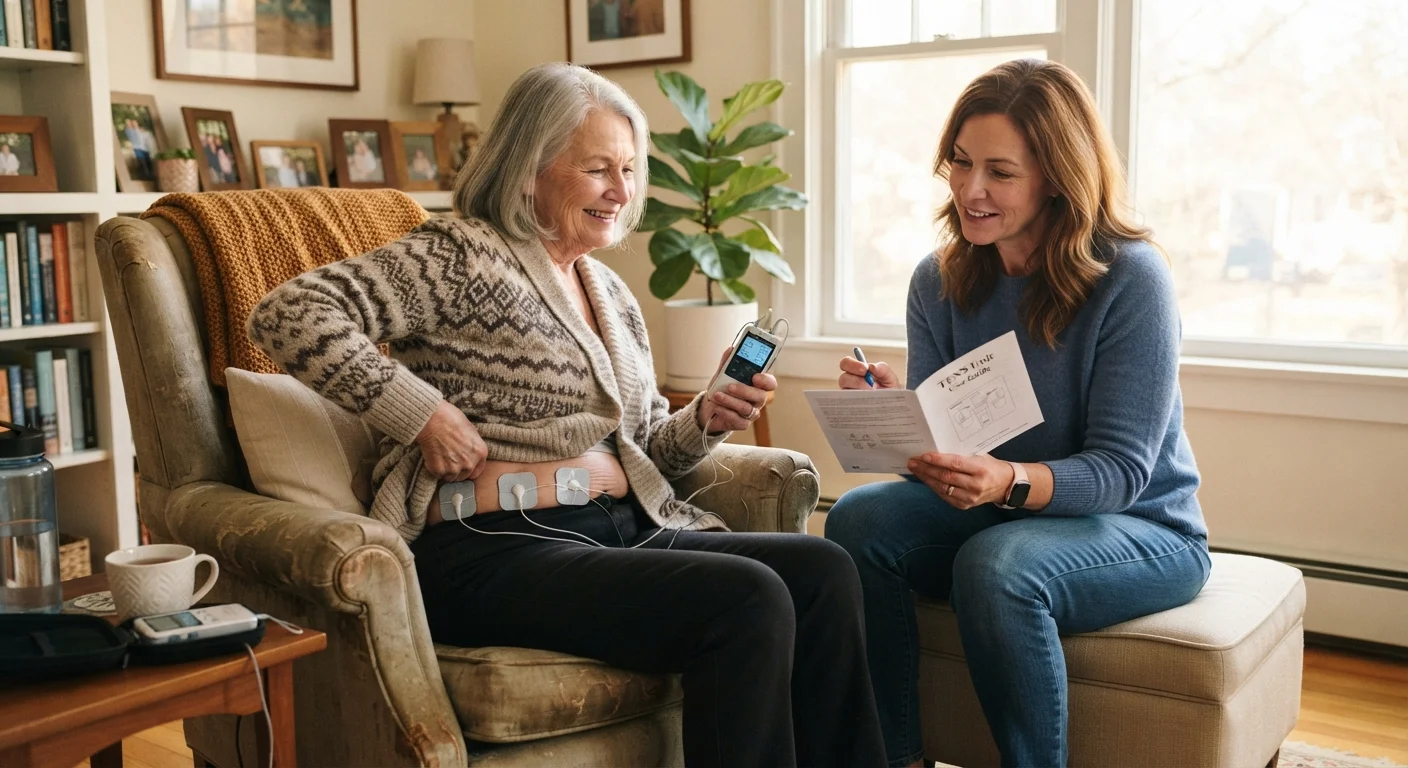
Ensure the older adult and their primary carer understand how to operate the device correctly before unsupervised use begins.
Incorrect technique — such as misplacing TENS electrodes, incorrectly assembling a nebulizer, or applying compression too tightly — is a leading cause of device-related harm at home. Training from a clinician, pharmacist, or device specialist reduces this risk significantly.
Device-Specific Considerations
TENS Units
Transcutaneous electrical nerve stimulation (TENS) units deliver low-voltage electrical currents through electrode pads placed on the skin. For older adults, skin fragility is a primary concern — aged skin is more prone to irritation or breakdown under adhesive electrodes, particularly with frequent or prolonged use. Electrode placement also matters: TENS units must never be used over the chest or near implanted cardiac devices such as pacemakers or defibrillators.
To understand how TENS works and what conditions it is typically used for, the TENS units explained guide provides useful background. For a balanced view of limitations, why TENS therapy isn't a one-size-fits-all solution is also worth reviewing.
Compression Devices
Pneumatic compression devices — used to support circulation in the legs — are commonly recommended after surgery or for conditions such as chronic venous insufficiency. In older adults, arterial insufficiency (reduced blood flow due to narrowed arteries) is a contraindication that must be assessed before use. Applying compression to a limb with poor arterial supply can cause harm. A clinician should confirm suitability and recommend appropriate pressure settings.
Nebulizers
Nebulizers convert liquid medication into a fine mist for inhalation, commonly used for respiratory conditions such as COPD or asthma. For older adults, proper technique and device hygiene are especially important — respiratory infections can have serious consequences in this population. See nebulizers and inhalers: understanding the difference for general context on how these devices work.
Hygiene Is Especially Critical for Nebulizers
Nebulizer components that are not cleaned and dried properly between uses can harbour bacteria or mould, which are then inhaled directly into the lungs. For older adults — who are at greater risk of respiratory infections — this is a particularly serious concern. Establish a consistent cleaning routine and replace components at the intervals recommended by the device manufacturer and prescribing clinician.
Supporting Safe Use: A Caregiver's Role
Carers and family members can make a measurable difference in how safely therapeutic devices are used at home. This includes observing the older adult's skin condition before and after each use, confirming the device is operating correctly, and flagging any changes in comfort or response to the treating clinician promptly.
Routine device maintenance — including cleaning components and checking for wear — is foundational to both safety and effectiveness. The home therapeutic device maintenance checklist is a practical resource for this. For a broader overview of common therapeutic devices used at home, the family reference guide to home therapeutic devices provides helpful context.
This article is for general informational purposes only and does not constitute medical advice. Always consult a qualified healthcare professional before starting, adjusting, or stopping any therapeutic device use, particularly for older adults with existing health conditions.