

Key Takeaways
- TENS units use low-voltage electrical pulses to potentially reduce pain signals sent to the brain.
- They are commonly used for back pain, arthritis, and post-injury muscle soreness.
- TENS devices are generally considered safe for most adults when used as directed.
- Certain groups — including people with pacemakers or during pregnancy — should not use TENS without medical clearance.
- TENS does not treat the underlying cause of pain; it is a symptom management tool.
- Always consult a healthcare provider before starting TENS therapy, especially for new or undiagnosed pain.
TENS Unit
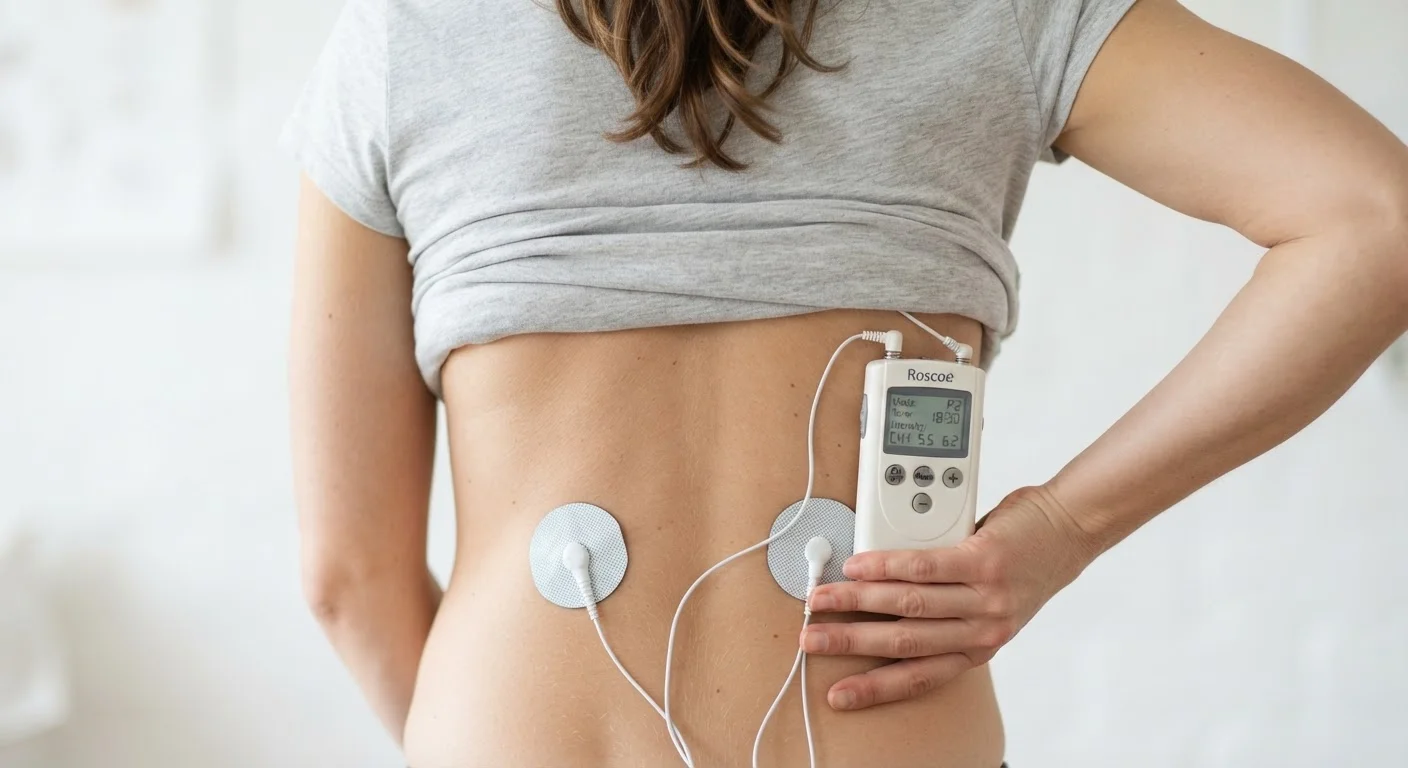
A TENS (Transcutaneous Electrical Nerve Stimulation) unit is a small, battery-powered device that delivers mild electrical pulses through electrode pads placed on the skin. These pulses are designed to interfere with pain signals traveling to the brain, potentially reducing the perception of pain. TENS units are widely used at home and in clinical settings for a variety of musculoskeletal and chronic pain conditions.
TENS devices typically operate at frequencies between 1–150 Hz; high-frequency (conventional) TENS is thought to work via the gate control theory of pain, while low-frequency TENS may stimulate endorphin release.
How a TENS Unit Works
A TENS unit generates small electrical pulses that travel from the device through lead wires and into adhesive electrode pads placed on the skin. Once applied, these pulses stimulate the sensory nerves beneath the skin's surface.
Two primary mechanisms are commonly cited to explain how TENS may reduce pain:
- Gate control theory: High-frequency electrical signals may "close a gate" in the spinal cord that normally allows pain signals to reach the brain. By stimulating large-diameter sensory nerve fibers, the device may effectively crowd out pain signals from smaller pain-transmitting fibers.
- Endorphin release: Lower-frequency TENS pulses may prompt the body to release endorphins — naturally occurring chemicals that act as the body's own pain suppressants.
Most consumer TENS units allow users to adjust intensity, frequency, and pulse width. These settings influence which mechanism is more active and how the stimulation feels — ranging from a gentle tingling to a more pronounced buzzing sensation.
It is important to understand that TENS addresses the perception of pain rather than its source. For a broader look at how TENS fits alongside other home therapy tools, see the Home Therapeutic Devices: A Family Reference Guide.
TENS vs. Treating the Underlying Cause
TENS is a pain management tool, not a diagnostic or curative one. If you are experiencing new, unexplained, or worsening pain, it is important to seek a professional evaluation before self-treating with any device. Using TENS to mask pain without identifying its source can delay appropriate care. For a more complete picture of TENS limitations, see Why TENS Therapy Isn't a One-Size-Fits-All Solution.
Common Conditions TENS Is Used For
TENS therapy is used across a wide range of pain conditions, primarily those involving muscles, joints, or nerves. Some of the most frequently cited applications include:
- Lower back pain — one of the most common reasons people turn to TENS at home
- Arthritis — joint pain from both osteoarthritis and rheumatoid arthritis
- Neck and shoulder pain — often related to muscle tension or post-injury stiffness
- Sports and activity-related injuries — such as muscle strains or knee pain
- Neuropathic pain — nerve-related discomfort, sometimes used under clinical guidance
- Period pain (dysmenorrhea) — some evidence supports TENS for menstrual cramp relief
The strength of evidence varies across these conditions. TENS has the most clinical backing for musculoskeletal pain, while evidence for other uses remains mixed or emerging. The device's usefulness is also highly individual — what provides relief for one person may not work as effectively for another.
~65%
Adults reporting some pain relief from TENS
A review published in the journal Pain found that a majority of participants with chronic musculoskeletal pain reported at least some degree of relief from TENS therapy across multiple studies.
1–150 Hz
Typical TENS frequency range
Consumer and clinical TENS devices generally operate within this frequency band, with different ranges thought to activate distinct pain-relief mechanisms in the nervous system.
15–45 min
Typical duration of a TENS session
Most clinical and manufacturer guidelines suggest sessions within this window, though protocols vary by condition and individual response.
For a detailed look at where TENS fits within broader home recovery plans, the Eight Therapeutic Devices Commonly Recommended in Home Recovery Plans offers useful context.
Placement, Settings, and Safe Use at Home
Correct electrode placement is critical for both effectiveness and safety. Pads should generally be placed near or around — not directly over — the area of pain. Avoid placing electrodes on broken or irritated skin, bony prominences, or across the spine itself.
Placement areas to strictly avoid:
- The front or sides of the neck
- Directly over the eyes or mouth
- Across the chest (front to back)
- Over an open wound or active skin infection
- On the lower abdomen or lower back during pregnancy
When starting a session, always begin at the lowest intensity setting and increase gradually. The sensation should be noticeable but not painful. Sessions commonly last between 15 and 45 minutes, though individual protocols vary. Follow the specific instructions provided with your device.
Start Low, Go Slow With Intensity
Always begin a TENS session at the lowest available intensity setting and increase gradually until you feel a comfortable, noticeable sensation. The stimulation should never be painful. If you feel sharp discomfort or muscle twitching at low settings, stop the session and consult the device instructions or a healthcare provider.
Because both TENS and EMS (Electrical Muscle Stimulation) devices look similar, it is worth understanding their distinct purposes before choosing one. The EMS vs. TENS breakdown explains the key differences clearly.
Older adults using TENS at home face additional considerations, including skin sensitivity and interactions with other therapies. The guide for older adults and carers covers what families should discuss with a clinician.
This article is for general informational purposes only and does not constitute medical advice. Always consult a qualified healthcare professional before starting TENS therapy or using any therapeutic device, especially if you have an existing health condition or are managing pain that has not been evaluated by a clinician.