

Key Takeaways
- EMS targets muscle tissue directly, causing contractions for rehabilitation or conditioning.
- TENS targets sensory nerve pathways to interrupt or modulate pain signal transmission.
- Both therapies use electrical pulses but differ in frequency, intensity, and electrode placement.
- Neither device replaces professional diagnosis or a clinician-guided treatment plan.
- Certain medical conditions, including pacemaker use and pregnancy, may contraindicate both therapies.
Our Verdict
EMS and TENS are purpose-built for different outcomes: EMS stimulates muscle contraction and is most relevant in physical rehabilitation or post-surgical recovery contexts, while TENS modulates pain signals and is commonly used for chronic or acute pain management at home. Understanding this distinction helps families ask better questions when discussing options with a healthcare provider.
| Best for | Recommended |
|---|---|
| Those managing chronic or acute pain conditions | TENS therapy |
| Those in post-surgical or injury muscle rehabilitation | EMS therapy |
| Older adults or those with complex health histories | Clinician-guided assessment before either |
The Core Distinction: Muscles vs. Nerves
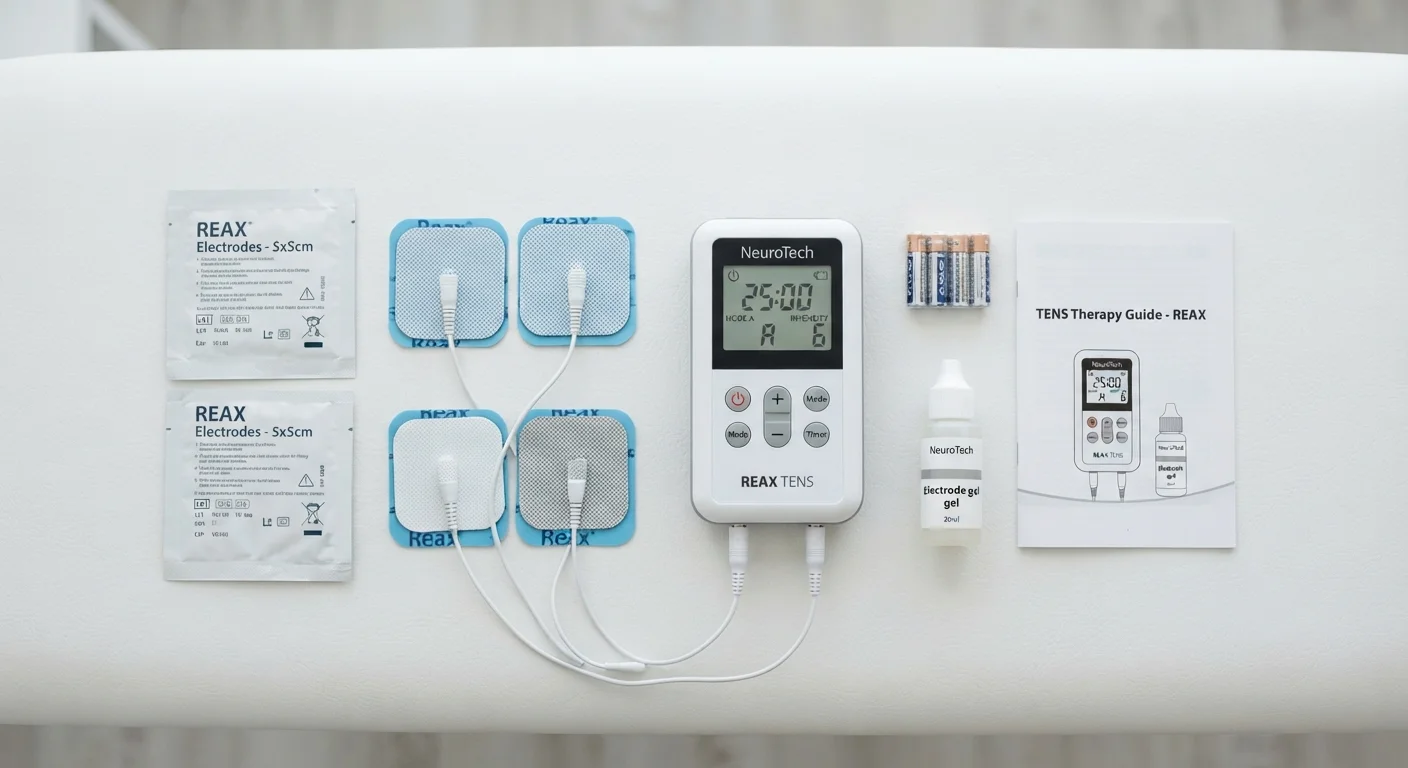
At first glance, Electrical Muscle Stimulation (EMS) and Transcutaneous Electrical Nerve Stimulation (TENS) appear nearly identical — both deliver low-level electrical pulses through electrode pads placed on the skin. The meaningful difference lies in what each modality is designed to stimulate and why.
EMS directs electrical current at motor neurons, the nerve fibers that trigger muscle contraction. The result is a deliberate, rhythmic muscle contraction that mimics the signal the brain sends during voluntary movement. This makes EMS relevant in situations where muscles need to be activated, strengthened, or prevented from atrophying — such as after orthopedic surgery or during recovery from a stroke that has impaired voluntary movement.
TENS, by contrast, targets sensory nerve fibers rather than motor fibers. Its primary goal is to interfere with or modulate the transmission of pain signals traveling toward the brain. The device does not cause significant muscle contraction; instead, it produces sensations — often described as tingling or buzzing — that appear to reduce the perception of pain through mechanisms explained by the gate control theory of pain and stimulation of endogenous opioid release. See our detailed guide to TENS units for a closer look at these mechanisms.
How Settings and Parameters Differ
The therapeutic gap between EMS and TENS is also reflected in their technical parameters.
| EMS (Electrical Muscle Stimulation) | TENS (Transcutaneous Electrical Nerve Stimulation) | |
|---|---|---|
| Primary target | Motor neurons / muscle tissue | Sensory nerve fibers |
| Main therapeutic goal | Induce muscle contraction | Reduce pain perception |
| Typical frequency range | 20–80 Hz | 1–150 Hz depending on mode |
| Current intensity | Higher; produces visible contraction | Lower; produces tingling sensation |
| Electrode placement | Over target muscle belly | Near pain site or nerve pathway |
| Common clinical use | Rehabilitation, atrophy prevention | Chronic and acute pain management |
EMS devices typically operate at lower frequencies (commonly 20–80 Hz) with higher current intensities sufficient to produce visible, palpable muscle contractions. Electrodes are positioned directly over the target muscle belly, and sessions are often shorter and more intense.
TENS devices generally use higher frequencies (80–150 Hz for conventional high-frequency TENS) at lower intensities — enough to stimulate sensory nerves without triggering significant muscle movement. Low-frequency TENS (sometimes called acupuncture-like TENS) operates at 1–10 Hz at higher intensities and may produce mild muscle twitching as a secondary effect, but pain modulation remains the primary objective. Electrode placement for TENS follows the pain site, nerve pathways, or acupuncture points depending on the protocol.
For families exploring these devices as part of a broader home care plan, our family reference guide to home therapeutic devices offers broader context on how each fits into real-world recovery routines.
Typical Clinical Applications
Understanding where each modality fits clinically helps set realistic expectations.
EMS is commonly used in:
- Post-surgical rehabilitation to prevent disuse atrophy in immobilized limbs
- Neurological rehabilitation after stroke or spinal cord injury, where voluntary muscle activation is impaired
- Physical therapy protocols aimed at strengthening specific muscle groups
- Sports medicine settings to supplement conditioning
TENS is commonly used for:
- Chronic pain conditions such as lower back pain, osteoarthritis, and fibromyalgia
- Acute musculoskeletal pain following injury
- Post-operative pain management as an adjunct to other treatments
- Neuropathic pain, including diabetic peripheral neuropathy, under clinical guidance
Ask Your Clinician About the Right Mode
If a physical therapist or physician recommends electrical stimulation, ask specifically which modality — EMS or TENS — is appropriate for your condition and why. Many consumer devices claim dual functionality, but correct electrode placement and intensity settings vary significantly between modes. Professional guidance ensures you're using the device in the configuration that matches your therapeutic goal.
It's worth noting that the evidence base for each modality varies by condition. Clinical guidelines and research continue to evolve, and neither EMS nor TENS is universally effective across all applications. Families should review these options in conversation with a physical therapist or physician rather than self-prescribing based on device marketing. You may also find it useful to read about the real limitations of TENS therapy before making any decisions.
Safety Considerations and Who Should Avoid These Devices
Both EMS and TENS are generally regarded as low-risk when used correctly and in appropriate populations. However, several contraindications apply to both modalities:
- Implanted electronic devices (e.g., pacemakers, implantable defibrillators): electrical stimulation can interfere with device function.
- Pregnancy: stimulation over the abdomen or lower back is typically contraindicated.
- Active cancer: placement over tumor sites is not recommended.
- Epilepsy: certain stimulation patterns may carry risk.
- Open wounds or broken skin at or near electrode placement sites.
- Impaired sensation: users who cannot accurately report discomfort are at higher risk of skin irritation or burns from improper intensity settings.
Older adults and those managing multiple chronic conditions face additional complexity. Families caring for elderly relatives should consult our article on therapeutic device safety for older adults before proceeding.
If you are considering EMS or TENS as part of a recovery plan, our overview of devices commonly recommended in home recovery plans may provide helpful additional context alongside professional guidance.
This article is for general informational and educational purposes only and does not constitute medical advice. Always consult a qualified healthcare professional before beginning any new therapy or using electrical stimulation devices, particularly if you have an existing medical condition.